The honest math on a Buncombe County scrap job
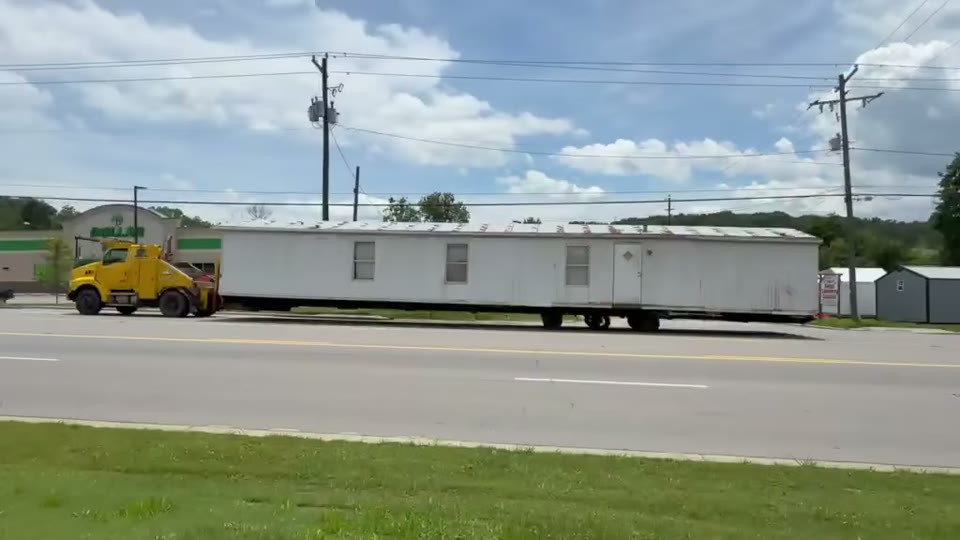
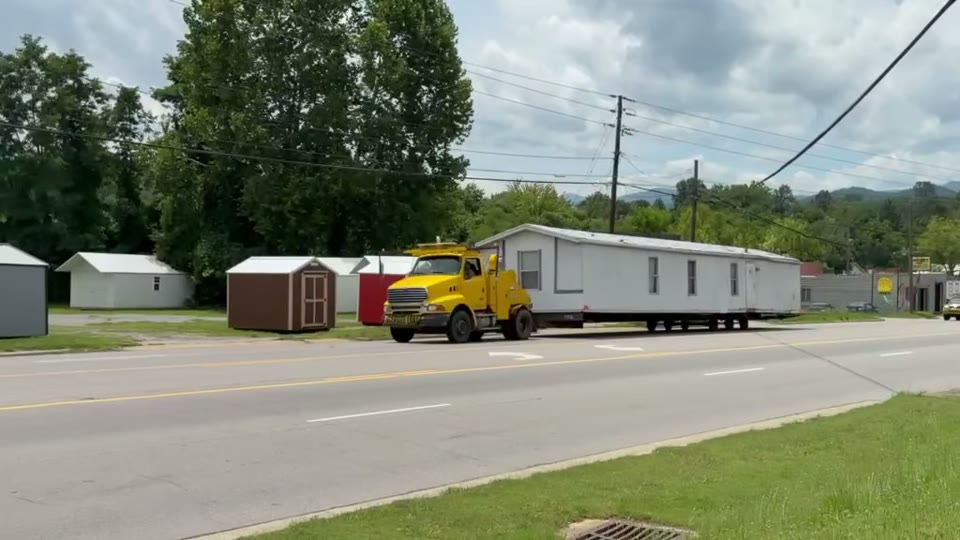
Buncombe County's back roads — Newfound Road, Leicester Highway, the rural tracts above Weaverville — hold a surprising number of older mobile homes that have sat on the same lot for thirty or forty years. The owners who ask about scrap value are usually facing the same calculation: the unit is past useful life, and they want to know whether the steel and aluminum in it will pay for the cost of getting rid of it.
For most older single-wides in Western North Carolina, the gross scrap credit rarely covers the full cost of labor, hauling, and disposal. That does not mean scrap has no role in the math — it means understanding what each component is actually worth before calling anyone. If you are still deciding whether scrap is the right path for your unit, the options guide covers every exit strategy alongside the real tradeoffs for each.
| Component | Scrap credit reality | Typical removal cost |
|---|---|---|
| Steel chassis and frame | Weighed at the yard; the heaviest and most valuable piece | — |
| Rear axles (if intact) | Paid per unit at current steel rates | — |
| Aluminum siding and trim | Paid by the pound; rates fluctuate by market | — |
| Copper wiring | Valuable per pound, but limited quantity in most units | — |
| Demolition and stripping labor | — | $800–$2,500 |
| Hauling to scrap yard or landfill | — | $300–$900 |
| Net to homeowner | Often near zero; can be negative on large or damaged units | Varies |
What has real weight and what gets landfilled
The steel chassis is the core value in a scrapped mobile home. A standard single-wide frame runs significantly heavier than the non-metal components, and steel yards pay by the ton. Axles — often two for a standard single-wide — add to that steel total if they are intact and not rusted through. Aluminum trim, fascia, and siding are paid by the pound at aluminum rates, which are lower per pound than steel but add up on a well-kept exterior.
Copper wiring is worth the most per pound of any material in the unit, but a standard mobile home does not carry as much as a site-built house of the same size. Budget copper as a bonus, not a foundation of the math.
Everything else — OSB, vinyl flooring, fiberglass insulation, drywall, carpet — has no scrap value and carries a disposal cost. Units built before 1978 may also contain asbestos-containing materials in floor tile, roofing compound, and insulation wrap; the U.S. Environmental Protection Agency classifies these as regulated materials requiring proper handling, and that protocol adds measurably to the overall project cost. A pre-1978 unit is a different cost category from the start.
The paperwork a scrap buyer will ask for
Most scrap buyers and demolition crews in Buncombe County will ask for the title to the manufactured home before they start work. North Carolina treats a mobile home as personal property until the title is surrendered and the unit is permanently affixed to real estate — which means the title is the document that proves you can authorize its disposal.
Before anyone moves the unit, you will also need a tax-paid moving permit under NCGS Chapter 105, Article 18. The county tax office issues this after confirming that property taxes on the unit are current. If the home moves on a public road at any point during removal, the hauler also needs an NCDOT oversize permit; current requirements are in NCDOT Publication MH-2.
If you have lost the title, the NC Manufactured Housing Board can walk you through the duplicate-title process — but budget extra time, because this step routinely delays scrap jobs by several weeks. The removal cost page covers how title delays factor into total project pricing.
Storm history and what it means for your unit's condition
Buncombe County carries a heavy storm record: 19 federally declared disaster events over 1973-2026, including hurricanes in 2020, 2021, and 2023, a tropical storm in 2024, and a winter storm in 2026. Mobile homes are among the most vulnerable structures in any of those events, and a number of older units across the county took wind or water damage during recent storm seasons.
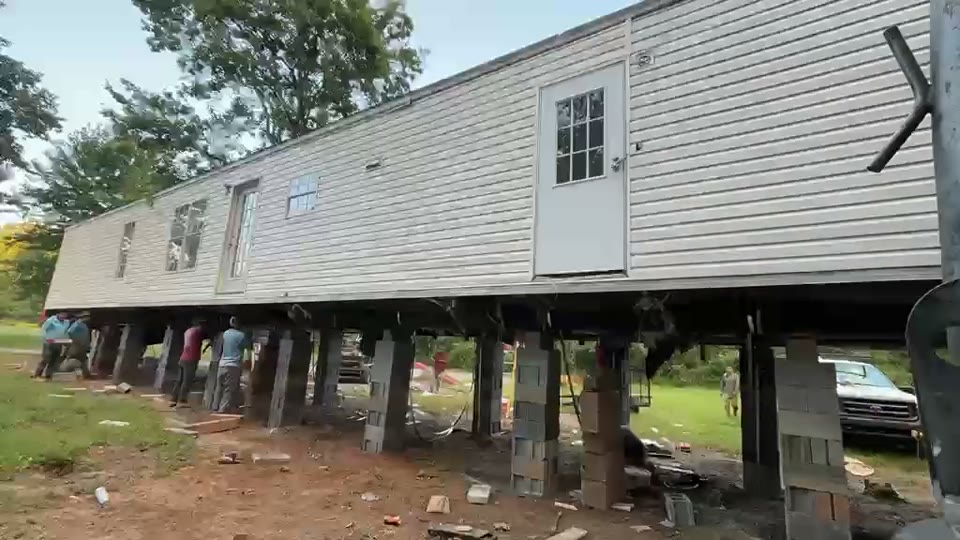
Damage changes the scrap math in two directions. A unit that took on water will likely have saturated OSB and insulation, which adds to the disposal volume and drives up hauling cost. Flood-damaged interiors may contain contaminated debris that requires separate handling and cannot go to a standard scrap yard. Structural damage — bent frame members or a bowed chassis — reduces recoverable metal weight and can complicate extraction on mountain lots where equipment access is already limited.
If your unit was affected by any of the recent storm events, ask for a hands-on assessment of the frame condition before accepting any quote. The state of the steel chassis is the single largest variable in what the final number looks like.
What to check before making the call
There are a few things you can assess yourself before anyone comes out. First, locate the HUD dataplate — a small certificate usually posted inside the unit near the electrical panel or on a cabinet door — and note the year of manufacture. Buncombe County falls in HUD Wind Zone I (24 CFR 3280.305), which describes the minimum wind resistance the home was engineered to when it left the factory. For scrap purposes, the manufacture year matters most for the asbestos question: pre-1978 units are a different cost and handling category.
Second, locate the title. If you cannot find it, start the duplicate-title process with the NC Manufactured Housing Board before calling a crew — you will need it regardless of which removal path you choose.
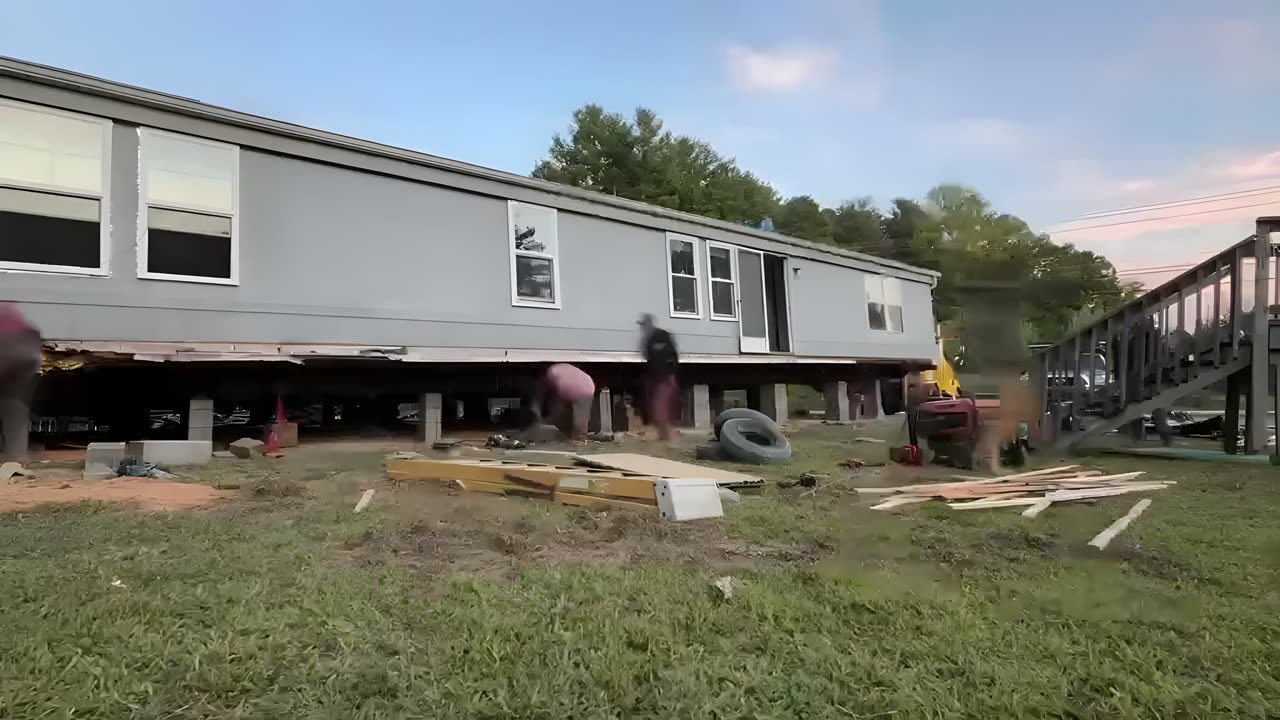
Third, look honestly at site access. Mountain lots in Buncombe County often have narrow drives, steep grades, or overhanging tree cover that makes crane or flatbed work harder and more expensive than comparable jobs on flat-county parcels. The access picture directly affects the labor line in any quote.
For full cost ranges on each path, see the demolition cost page and the removal cost page. If you are still working out which option fits your situation, the complete options guide walks through scrap, demolition, donation, and relocation with the honest tradeoffs for each.