Intact haul-off or on-site demolition — the split that sets your price
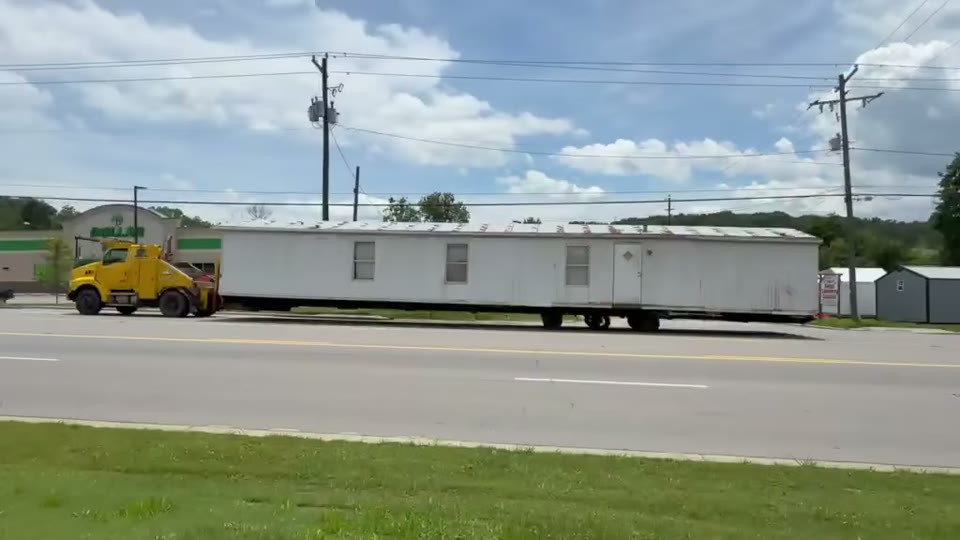
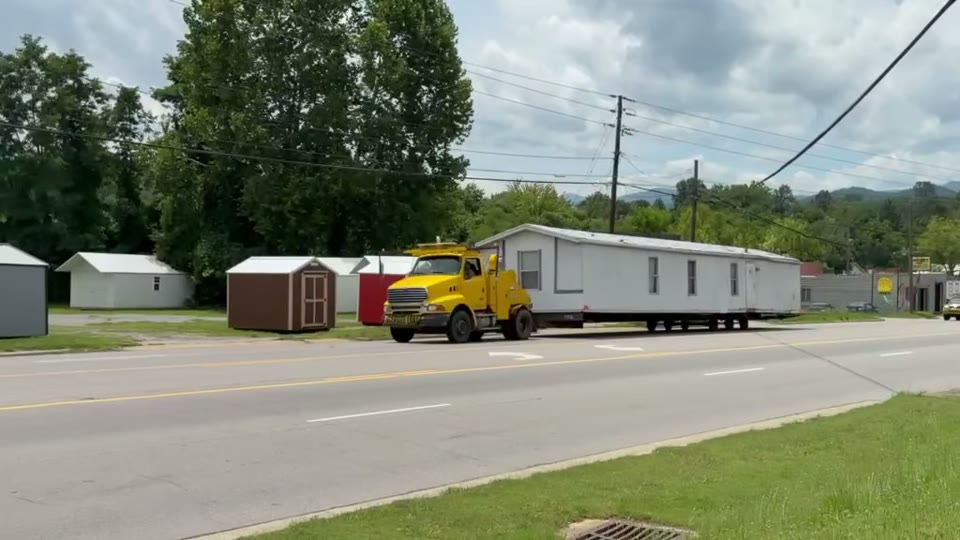
In Buncombe County, NC, the mobile home removal price is not just about size. The first question is whether the structure can leave the property in one piece. A single-wide that still has its running gear, hasn't rotted through its frame rails, and can reach the road through the driveway may haul off intact — that keeps the cost toward the lower end of the range and sometimes opens a door to a buyer or a relocation program willing to take the unit. A home that has been sitting in Leicester or on a narrow lot above Haw Creek, rotted at the bottom boards, or blocked by a newer structure has to come apart on-site. On-site demolition adds labor, dumpster pulls, and disposal fees that push the price toward the top.
| Scope | Typical NC range | What drives it |
|---|---|---|
| Single-wide, intact haul-off | $3,000 – $6,500 | Frame condition, driveway access, haul distance |
| Double-wide, intact haul-off | $6,000 – $11,500 | Whether it splits for transport, road width |
| Single-wide, on-site demolition | $3,500 – $7,000 | Debris volume, dumpster pulls, site access |
| Double-wide, on-site demolition | $7,000 – $15,000 | Material weight, regulated materials, haul distance |
| Pad clearing after removal | $800 – $2,500 | Concrete vs gravel, slab footprint |
The pad-clearing line is separate because it is separate work. A removal contractor typically leaves the site cleared to grade; finishing a concrete runner pad, pulling piers, or having skirting foundation material hauled away adds to the project total even when it doesn't show up in the removal quote. The full breakdown of both approaches is on our mobile home demolition and removal page.
Title, taxes, and utilities come first
Before any crew can legally move a manufactured home on a North Carolina road, two pieces of paper have to be in order. The first is a clear DMV certificate of title showing the home is yours to move. If the title was retired when the home was placed on a permanent foundation, it needs to be reactivated. If ownership was never transferred from a prior owner, that chain has to be resolved before the mover can apply for a permit.
The second document is a tax-paid moving permit, required under NCGS Chapter 105, Article 18. The county tax office issues it only after confirming that property taxes on the home are current. A home with back taxes on record does not move until those taxes are paid. Budget two to four weeks for the paperwork phase, especially on properties that have changed hands or where the home was recorded as real property on a deed.
Utility disconnections have to be fully completed and signed off before the crew works on the structure: electric service at the meter, water line, gas if the home has it, and septic if the system ties to the structure. Depending on how the lines were roughed in, a licensed plumber may need to cap them rather than simply disconnecting at the home. Leave utilities for the week of the move and the removal date will shift.
What Blue Ridge terrain and storm history add to the job
Buncombe County sits inside the Blue Ridge, and mountain geography shows up in removal costs in ways a flatland quote never accounts for. A home on a narrow gravel lane off a ridge road near Fairview, or at the end of a steep driveway in West Asheville, can require smaller equipment, longer blocking and leveling time for the transport rig, and sometimes a pilot vehicle for the road haul. All of that adds to the moving rate before the per-mile charge even starts.
Storm damage is the other Buncombe-specific variable. With 19 federally declared disaster events on record for this county (1973-2026), and recent incidents including a Winter Storm in 2026, a Tropical Storm in 2024, and Hurricanes in 2023, 2021, and 2020, there are properties here where an older mobile home absorbed water or wind damage that changes the method decision. A unit that was borderline for intact haul-off before a storm may be a demolition job afterward. An adjuster review and a contractor walkthrough should happen together before committing to either path.
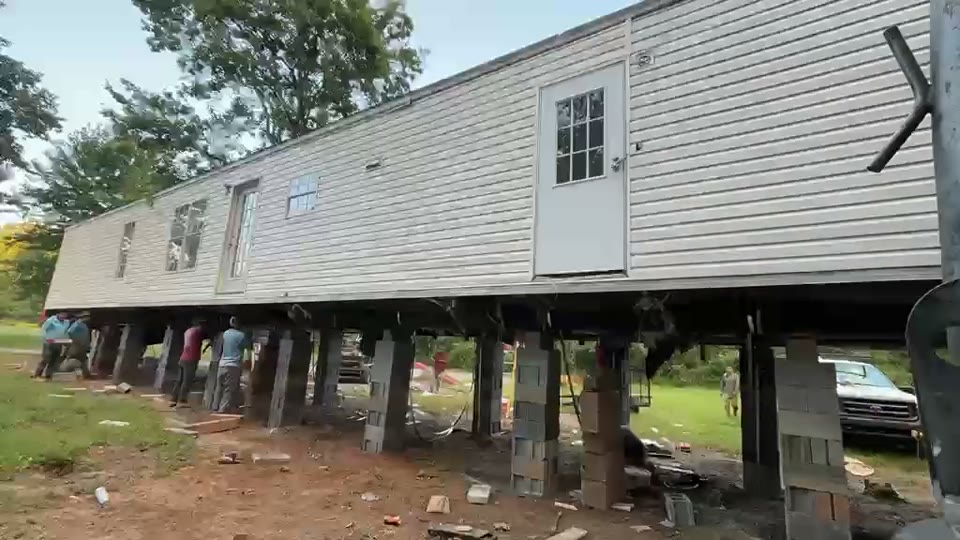
Buncombe County falls in HUD Wind Zone I under 24 CFR 3280.305. Homes installed here were required to meet Zone I anchor standards, which means disconnecting tie-down straps and pulling ground anchors is part of the pre-move prep. Ground anchors are sometimes pulled intact when the home is being relocated, because a future installation site will need them reinstalled to meet the same wind zone requirement.
NCDOT permits and contractor licensing for NC removals
An intact mobile home haul-off is an oversize load move on a North Carolina highway and requires a permit before the unit leaves the property. The NCDOT Mobile and Modular Home Permits publication MH-2 specifies what the mover must file, what route restrictions apply, and what time-of-day and weekend rules govern the move on state roads. This is the contractor's responsibility to file, not the homeowner's — but knowing the requirement exists lets you verify that whoever you hire actually pulls one before the wheels roll.
Contractors who move or set up manufactured homes for a fee in North Carolina must hold credentials through the NC Manufactured Housing Board, which operates under the NC Office of State Fire Marshal. Ask to see a current credential before signing any contract. A licensed mover answers that question readily.
Demolition jobs follow a different permit path: a local building permit for the work and an approved disposal facility for the debris. Homes built before the late 1970s may contain materials that require testing before demolition begins. The EPA publishes guidance on regulated materials in residential demolition that applies to manufactured housing in this age range — ask the contractor directly what testing protocol they follow before any work starts.
What finishing the site costs after the home is gone
The removal quote covers getting the structure off the lot. The site work that follows is a separate project, and homeowners consistently underestimate it until the invoice arrives.
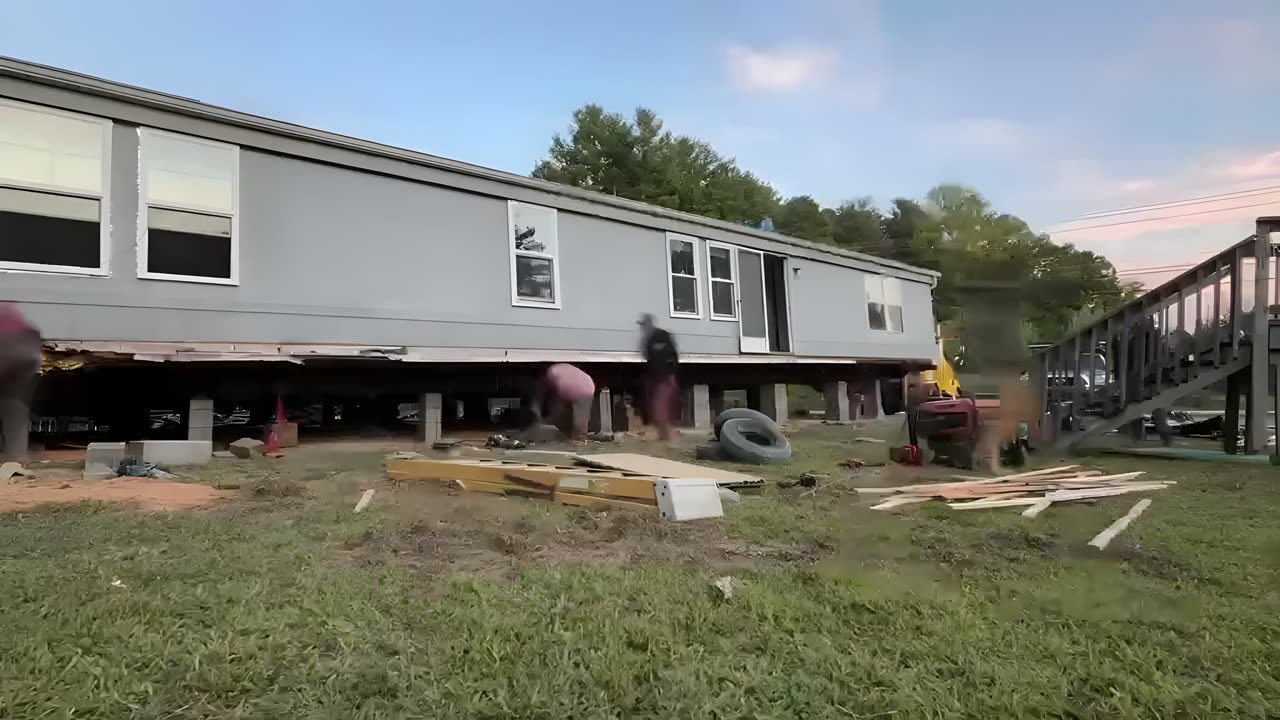
If the home sat on concrete runners or a full perimeter block foundation, removing that material is its own cost. Concrete demo and haul-away typically runs $800 to $2,500 depending on the slab footprint and whether a dumpster is included. Gravel pads are usually reclaimed or graded in, but a cleared site that needs topsoil and seeding to hold through a Buncombe County winter adds to the total. Pier pockets — the voids where the support blocks sat — need to be filled and compacted before any new use of the area.
If the home had a private well and septic system, decommissioning both requires a separate permit through the county health department and a separate licensed contractor. An improperly abandoned septic system or an uncapped well is a code violation and a liability. Budget these as distinct line items from the removal itself.
For a direct cost comparison between haul-off and full demolition, see our mobile home demolition cost NC guide. The full process from permits through site restoration is covered on our how to get rid of an old mobile home in NC page.