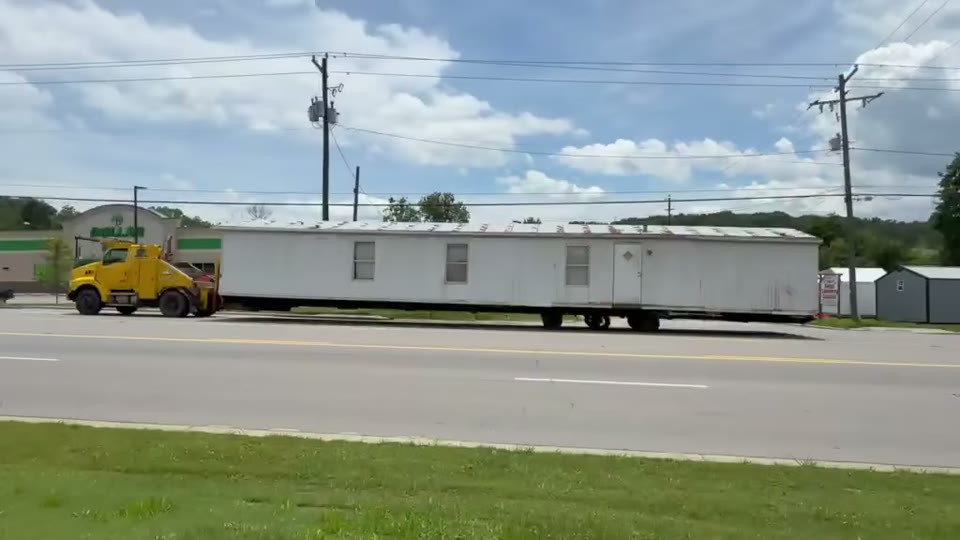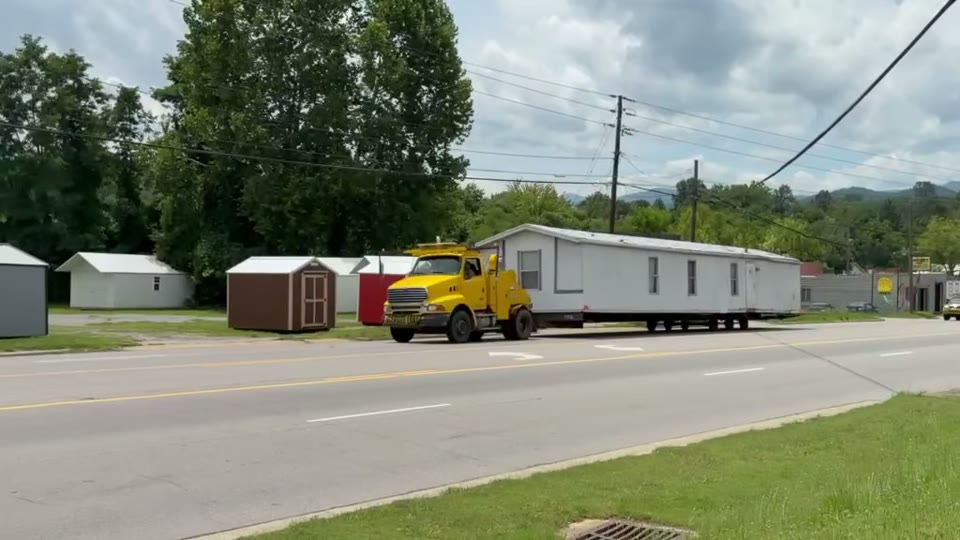
The price and scope of a Flat Rock set
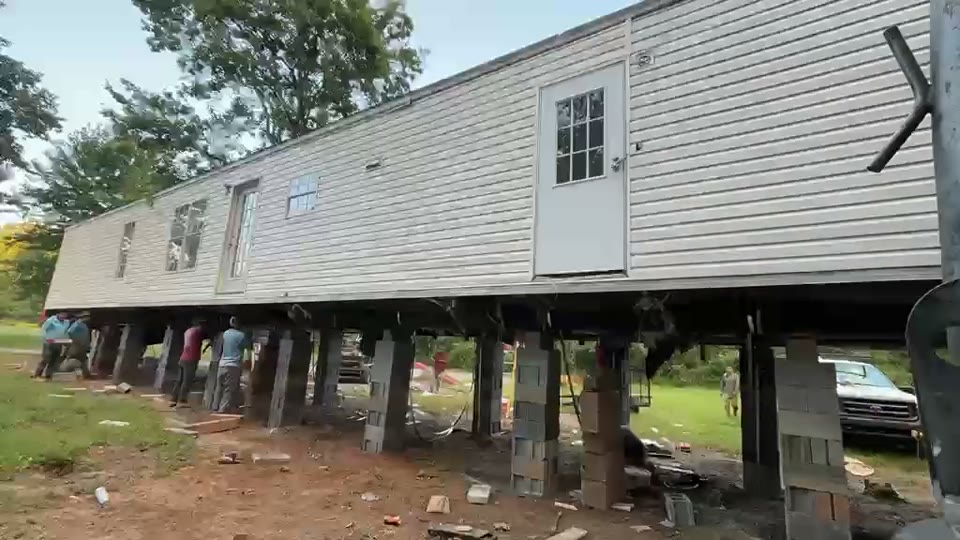
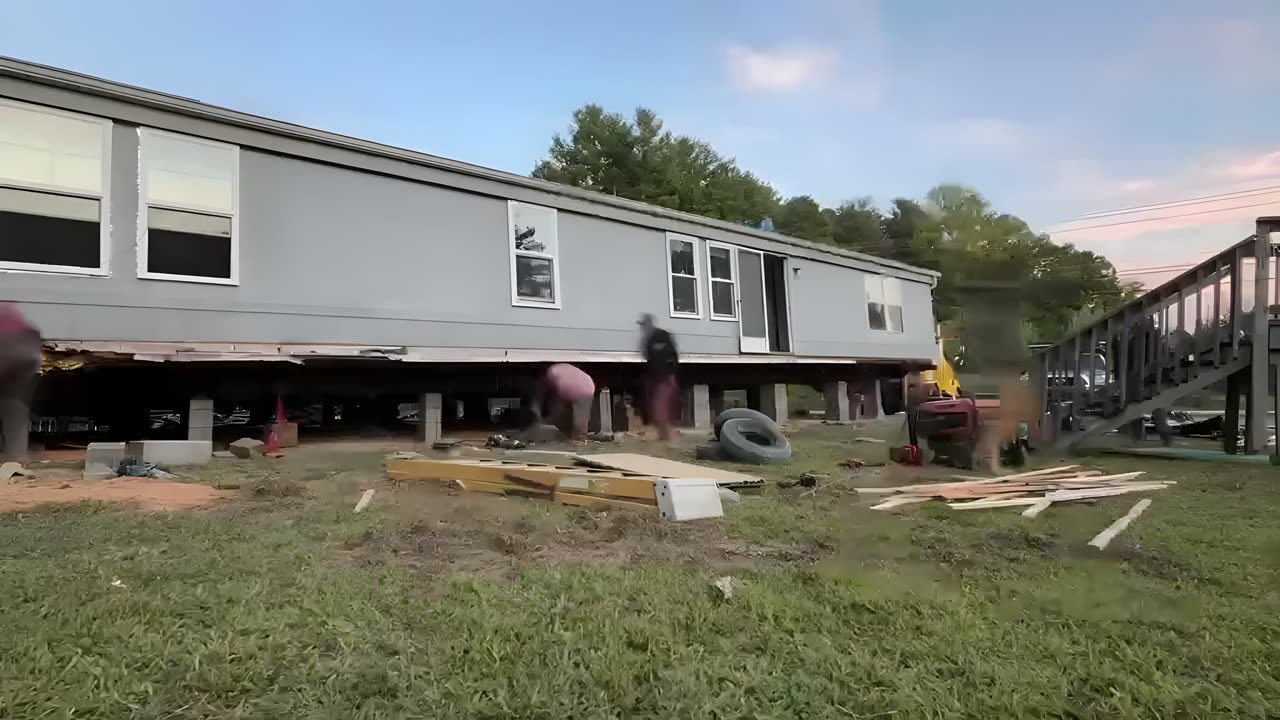
Delivery ends at the lot line. What happens after the truck leaves — piers, blocking, leveling, tie-down anchoring, utility connections, skirting — is its own trade with its own price tag, and it is what most buyers underestimate when budgeting a Flat Rock move. On a Henderson County lot, that set work runs $1,500 to $3,000 for a single-wide and $3,000 to $6,000 for a double-wide under typical conditions. Soil bearing capacity, the number of pier rows the design requires, and whether utilities are already stubbed to the pad all shift the final number within that band. Double-wide jobs add a marriage-wall step — aligning and fastening the two sections — that is not always broken out as its own line item in an initial estimate, so ask.
| Scope Item | Single-Wide Range | Double-Wide Range |
|---|---|---|
| Piers, pads, and blocking | $700–$1,200 | $1,400–$2,400 |
| Zone I tie-down anchoring | $300–$500 | $600–$1,000 |
| Utility connections (electric, water, sewer) | $250–$500 | $400–$800 |
| Vinyl skirting | $250–$500 | $400–$800 |
| Full turn-key set | $1,500–$3,000 | $3,000–$6,000 |
Lots in the Flat Rock village core — wooded, gently graded parcels near the Carl Sandburg Home historic area — can carry longer utility runs than a cleared lot off US-25 closer to Hendersonville. Both fall inside the ranges above; the question is where on those ranges your specific site lands. The North Carolina installation cost guide covers what drives jobs toward the top of each band statewide.
Henderson County's permit checklist
Henderson County runs building-code and environmental permitting through offices in Hendersonville for all unincorporated parcels, and the incorporated Village of Flat Rock applies its own zoning layer to properties inside its boundary. Before any home can be set, you need a zoning determination confirming the parcel is eligible, an Environmental Health approval for the septic system — either a new-system permit or a signed existing-system affidavit confirming the capacity matches the new home's bedroom count — and water and sewer tap receipts if the lot connects to a public line.
The building permit application goes to Henderson County with those approvals attached. One step many buyers overlook: the County Assessor's moving permit, required under NCGS Chapter 105, Article 18 whenever a titled manufactured home moves within or into the county. It confirms property taxes at the home's origin address are current before the title can transfer; skipping it does not stop the physical set but blocks re-titling at the new address, which in turn blocks refinancing and resale.
If the home is still on its transport chassis, the hauler handles the oversize-and-overweight road permit separately. Owners arranging their own move can find the current requirements in NCDOT Publication MH-2. The road permit and the installation permit are separate instruments: one covers the move, the other covers the set at your Henderson County address.
Zone I anchoring and Henderson County's storm record
Henderson County falls in HUD Wind Zone I under 24 CFR 3280.305, the lowest tier in the federal wind-load classification for manufactured homes. Zone I still requires a specific anchor count, spacing, and diagonal tie layout. That pattern gets inspected before a certificate of occupancy issues, and a home set without compliant anchoring fails the inspection and voids the HUD certification that makes the home insurable and financeable.
The county's weather history explains why getting anchoring right matters even in the lowest wind zone. Henderson County has recorded 16 federal disaster declarations spanning 1978-2026, including hurricanes in 2019, 2020, and 2023, a tropical storm in 2024, and a winter storm in 2026. National Weather Service data shows the Blue Ridge escarpment concentrating storm energy through Henderson and Polk counties even when wind speeds fall below the higher-zone threshold. Zone I is the regulatory floor; experienced installers working Henderson County treat it as a starting point, not a ceiling.
The exact anchor pattern for your home is determined from the home's data plate and the manufacturer's printed installation manual, both required documents under the federal program overseen by the HUD Office of Manufactured Housing Programs. Ask any prospective installer to walk through the tie-down layout with you before work begins.
Hiring a licensed installer in Henderson County
North Carolina requires a license issued by the NC Manufactured Housing Board for any manufactured home installation done for compensation. The license covers the full scope: foundation system design, pier and blocking placement, tie-down anchoring, and the setup certificate that opens the building inspection. An unlicensed installation creates a title defect that surfaces at the worst possible moment — during financing or resale.
Three questions that sort experienced Henderson County installers from those working outside their depth: ask what pier pattern they use in clay soils, which differs from the sandy coastal examples many installer training programs rely on; ask who pulls and closes the county permit, which should be the installer rather than you; and ask what their process is when Environmental Health approval runs long. A crew with real Henderson County experience has a standard answer to the third question. The mobile home set-up and installation guide covers what a properly run installation looks like from pad preparation through final walkthrough.
Skirting, steps, and what the final inspection covers
Skirting is the last visible piece of a set and often the first to fail if the job is rushed. Vinyl skirting — the standard choice on Henderson County lots — needs to be vented at the correct ratio and kept clear of grade so seasonal moisture does not wick into the blocking over winter. Masonry skirting costs more and typically draws fewer inspector call-backs; either option is acceptable when installed to the home manufacturer's specifications.
Steps and a landing at each exterior door are required before the occupancy certificate issues. On Flat Rock lots that reuse a concrete pad from a prior home, confirm the slab dimensions match the new home's chassis before delivery — a perimeter gap that looks minor on arrival becomes a drainage and pest problem over two or three rainy seasons.
After the inspector signs off, watch for post-settlement movement. Manufactured homes settle through their first full seasonal cycle, and a home that levels correctly in late summer can show a noticeable rake by the following spring if the piers were placed in recently disturbed ground. The Flat Rock mobile home leveling page covers when post-settlement re-leveling makes sense and what the process involves.