What installation runs in the Fletcher area
Around Fletcher, a standard single-wide set — piers, blocking, leveling, and tie-down anchoring — runs $1,500 to $3,000. A double-wide set runs $3,000 to $6,000. Those figures reflect the core installation after the home arrives on site; skirting, utility connections, and ground preparation for soft or sloped lots add to the base. The full NC cost picture is at mobile home installation cost NC.
| Installation Scope | Typical Market Range |
|---|---|
| Single-wide — piers, blocking, leveling, anchoring | $1,500 – $3,000 |
| Double-wide — piers, blocking, leveling, section mating, anchoring | $3,000 – $6,000 |
| Skirting, priced separately from the set | $600 – $1,500 |
| Utility connections at home stubs | Site-dependent |
| Additional piers for soft fill or significant grade change | Adds within base range |
What pushes a job toward the top of the range in Henderson County: a lot with more than a foot of grade change across the home's footprint, previously filled or soft ground requiring closer pier spacing, and double-wides with ridge-cap sections that need careful mating. A level, firm lot with utilities already stubbed to the site keeps the job toward the lower end.
What a Fletcher installation covers on the ground
Fletcher, NC sits in the French Broad River valley at the southern edge of Henderson County, roughly twelve miles south of Asheville NC. The terrain here is gentler than the surrounding ridgelines, but parcels vary considerably — some are former apple-orchard and farmland parceled over recent decades, some sit on valley-floor ground that runs wet in winter and spring, and others carry slight grades that require extra blocking to achieve a level plane.
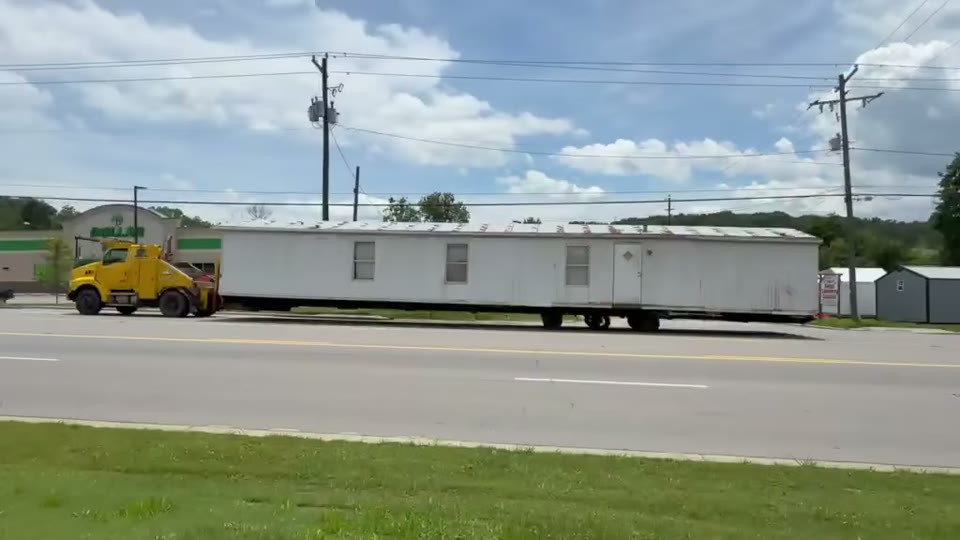
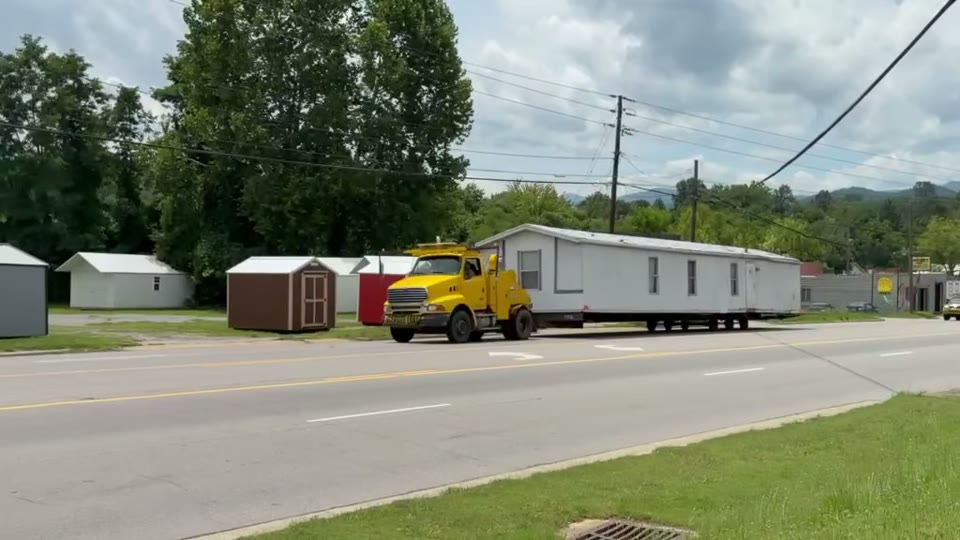
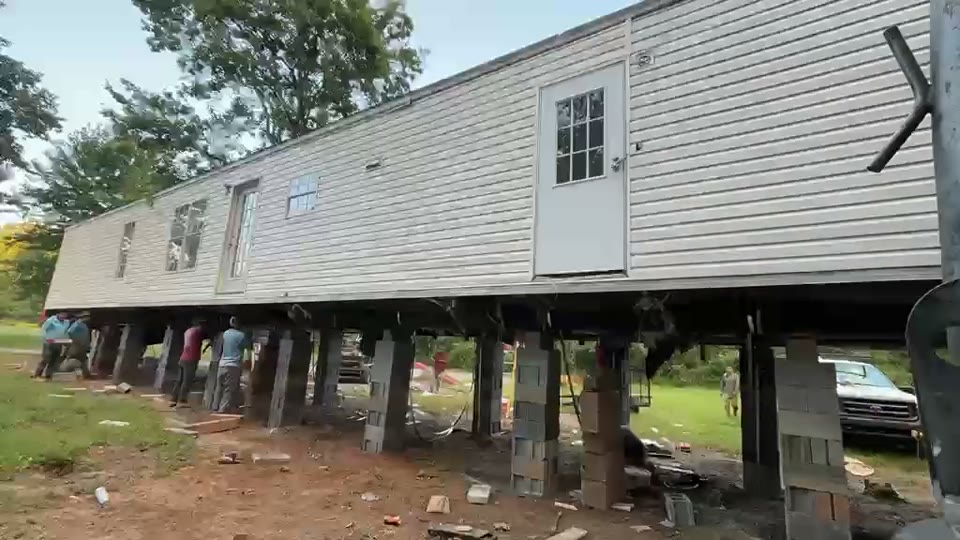
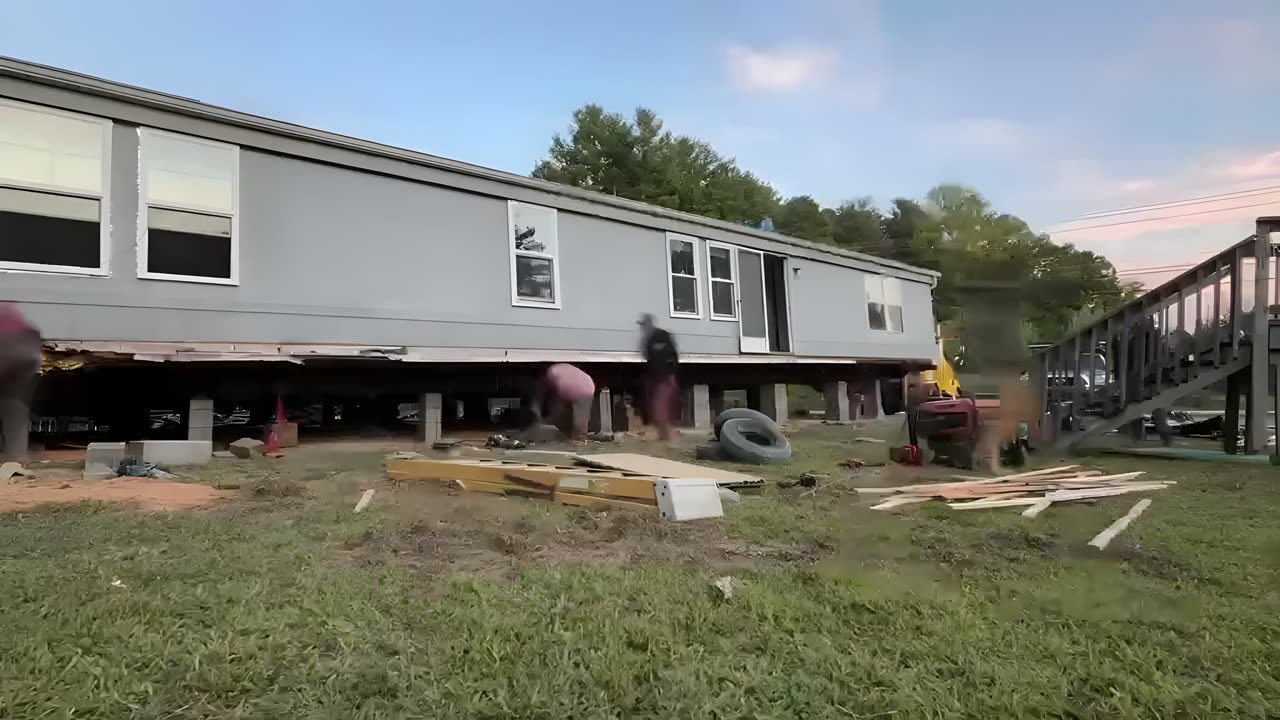
Mobile home installation in Fletcher, NC covers everything that happens after the transport crew leaves the lot. The sequence runs: site pad preparation, concrete block or steel pier installation and grouting, blocking and shimming to level, tie-down anchor installation, section mating for a double-wide (fastening the two halves, sealing the marriage wall, and flashing the ridge), utility connections at the home's water, sewer, and electrical stubs, and skirting. Each step has a state inspection checkpoint. The full physical process is at mobile home set-up and installation; this page covers the county-specific requirements and what the work typically costs here.
Henderson County's permit sequence before setup begins
A manufactured home cannot be set in Henderson County — on unincorporated land or inside Fletcher town limits — until a building permit is issued, and the permit requires prior approvals that carry the longest lead times. Five steps run in sequence.
Zoning clearance. Unincorporated parcels go through Henderson County planning; parcels inside Fletcher's town limits go through the Town of Fletcher. Both confirm that the district allows manufactured housing and that the proposed placement meets setback and minimum lot-size requirements. Not every zone permits manufactured homes, so confirming zoning before purchasing the home avoids a costly reversal.
Environmental Health sign-off. A new septic system requires a soil evaluation and a permit from the county Environmental Health department. An existing system needs a written affidavit confirming adequate capacity for the home's bedroom count. Connection to public water or sewer requires tap-on documentation from the utility provider.
Installation permit. Once zoning and Environmental Health approvals are in hand, the manufactured housing installation permit is submitted to the building inspection office. North Carolina's phased inspection system triggers inspector visits at blocking, anchoring, and utility rough-in before a certificate of occupancy issues.
County Assessor's moving permit. Any home moving within Henderson County requires a tax-paid moving permit under NCGS Chapter 105, Article 18. The permit confirms that property taxes on the home are current before it changes location.
Transport permit. The hauling company is responsible for the oversize vehicle permit under NCDOT Publication MH-2, but the requirement matters for scheduling: some Henderson County routes have utility-line clearance and bridge restrictions that affect routing and timing. Starting Environmental Health and zoning applications before purchasing the home keeps those steps off the critical path.
Anchoring requirements and Henderson County's storm record
Henderson County falls in HUD Wind Zone I under 24 CFR 3280.305, the federal standard that governs manufactured home structural and anchoring design. Zone I is the baseline wind load category, but the county's disaster record gives it real weight: Henderson County has recorded 16 federally declared disasters over 1978-2026, including hurricanes in 2023, 2020, and 2019, a tropical storm in 2024, and a winter storm in 2026. Several of those events produced wind and water damage along the French Broad River corridor running through Fletcher.
A Zone I anchoring system uses diagonal ground anchors and over-the-top straps on a schedule determined by the home's width, length, and pier height. The HUD Office of Manufactured Housing Programs sets the federal framework; the actual strap count and placement pattern come from the manufacturer's installation manual for the specific home model. State inspectors verify the completed anchoring system before issuing final approval. Getting anchor installation right during setup costs far less than re-anchoring after storm damage.
A home that has been on a lot for several years without an anchoring inspection after a major wind event should have the system evaluated before the next storm season. That service is covered on the mobile home leveling Fletcher NC page.
NC licensing requirements for setup crews
North Carolina requires that manufactured home installation — piers, blocking, anchoring, and utility connections — be performed by an installer licensed with the NC Manufactured Housing Board, which operates under the NC Office of State Fire Marshal. Transport is separate. Before any work begins, confirm the crew's installer license is current and in good standing with the Board — ask for the license number and verify it directly.
The setup crew should also have two documents on site before the first pier goes in: the home's data plate (specifying the HUD wind zone the home was built for — it must match Zone I for a Henderson County installation) and the manufacturer's installation manual for that model. The manual governs pier spacing, anchor strap count, and utility stub locations. Work that departs from manufacturer specifications can void the home's HUD compliance label, which affects insurance coverage and the home's marketability at resale.