What brings a Hendersonville lot to this point
Hendersonville is Henderson County's seat — the town where I-26, US-64, and US-25 converge in the lower French Broad watershed. That convergence made it easy, for a generation of buyers, to deliver a manufactured home to a parcel outside Charlotte or Greenville commute range. Many of those placements from the 1970s through the early 1990s are now at or past their useful life: rooflines have absorbed decades of mountain weather, frame blocking has settled into clay that holds moisture longer than the hillside soils a county north, and the families who bought them as first homes or retirement retreats have moved on. Second-home parcels on the county's gentler ridges are seeing the same pattern as owners decide a cabin or stick-built structure is what they actually want on the lot.
In every one of these cases the goal is the same: get the old unit off the lot and leave a pad genuinely ready for what comes next. That is a different problem from simply towing something away — a complete removal accounts for the title, the utilities, the septic system, the grading, and a set of Henderson County approvals that have a specific sequence.
Whether the unit can still roll
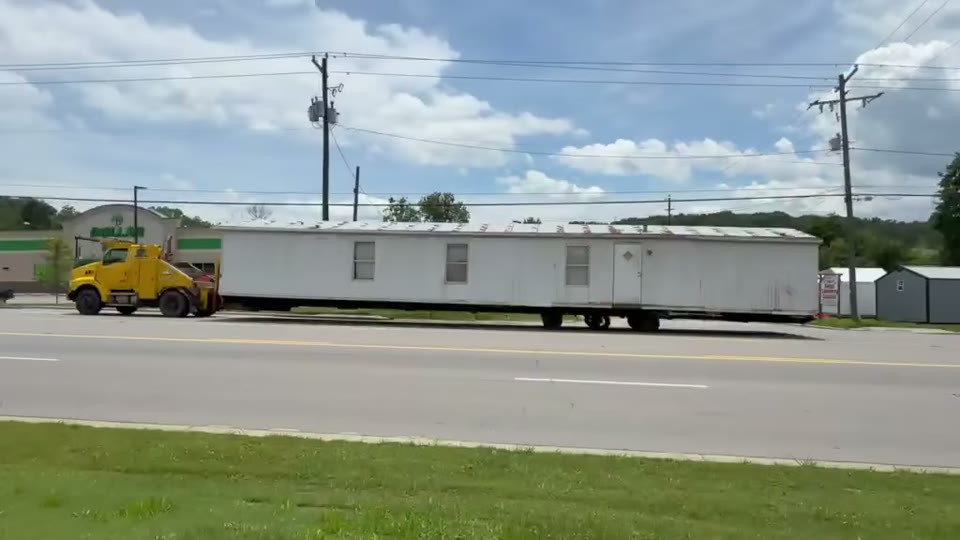
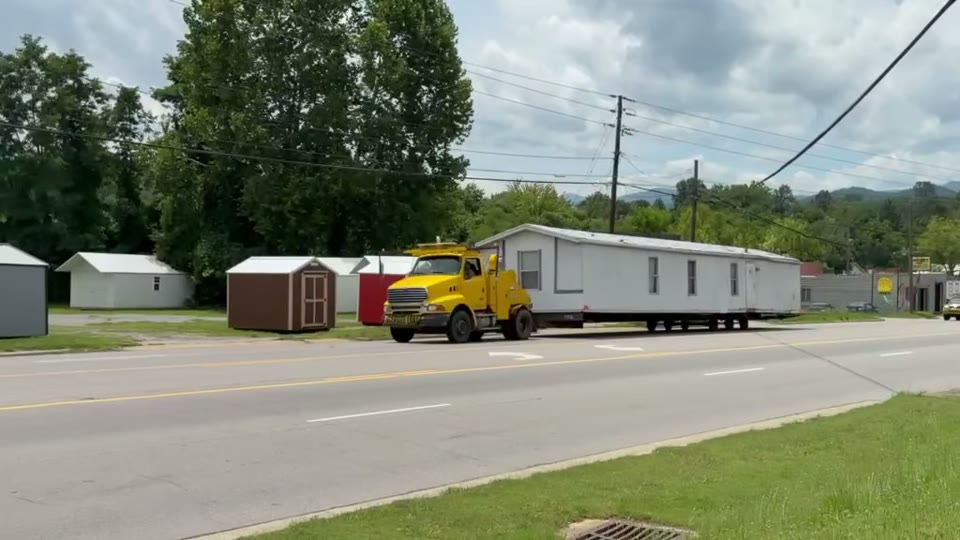
The first question in any removal job is structural: can this home be safely moved? A single-wide that still has its HUD certification data plate, sound frame rails, and utility connections that can be cleanly capped is worth towing. Buyers and parks exist for structurally sound units, and a home that rolls off the lot under its own axles costs less to remove and leaves less debris to manage.
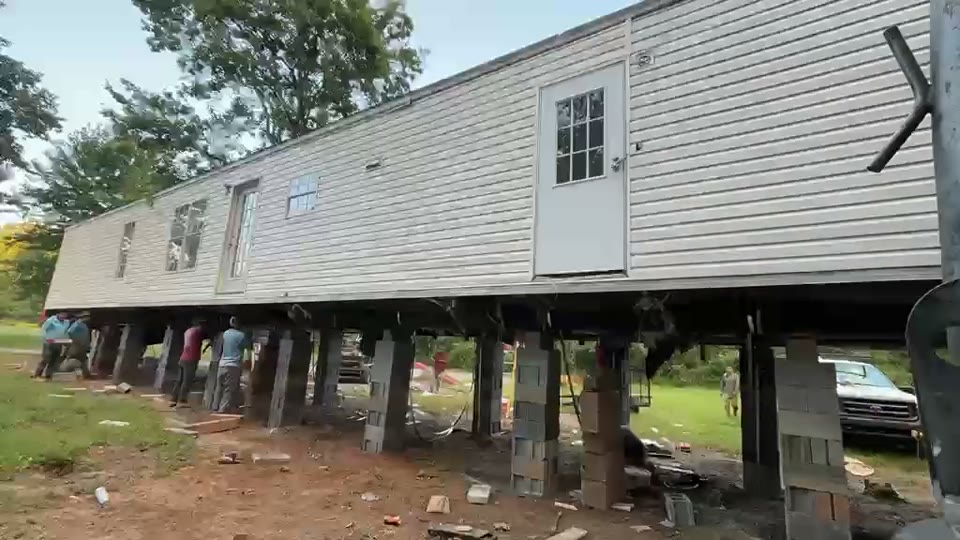
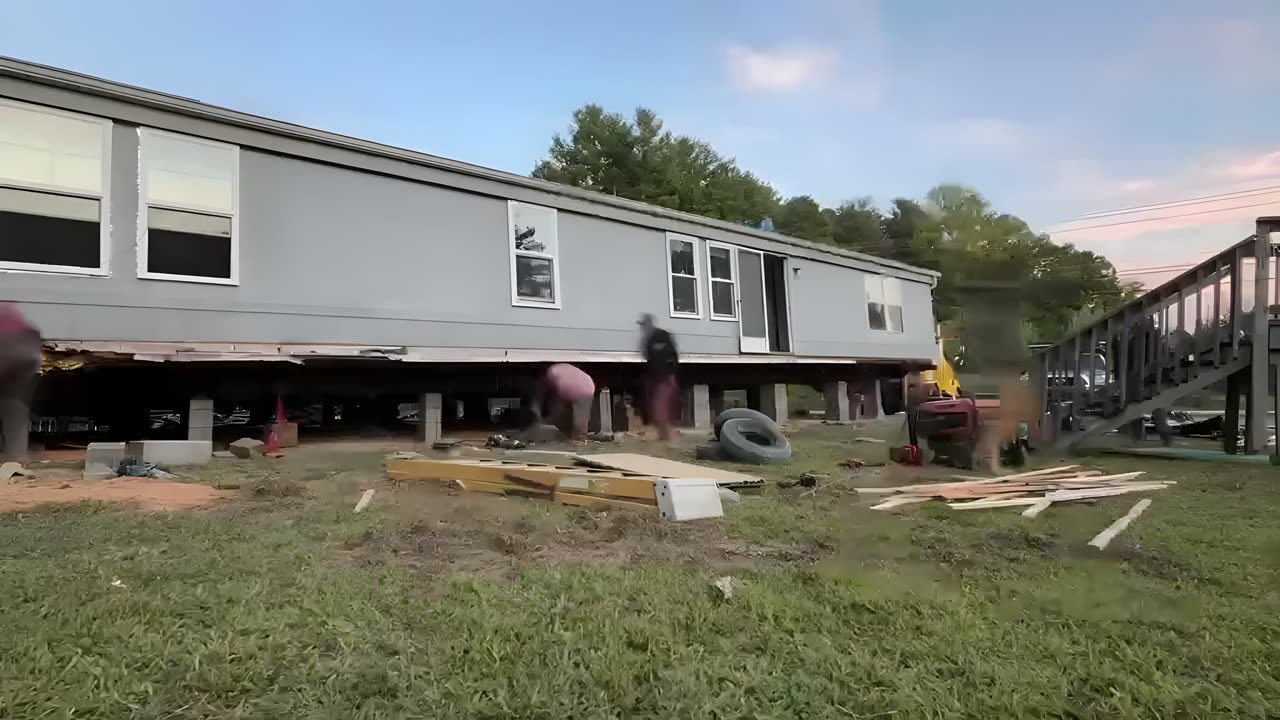
When the frame rails have corroded through, the marriage wall on a double-wide has separated, or the unit has been blocked so long the chassis can no longer safely bear a lift, demolition is the honest answer. The materials don't all go to landfill: steel chassis, metal framing, and aluminum siding have scrap value that some contractors credit against the job total. Fiberglass and older vinyl go to a licensed transfer station. How a contractor handles material separation is a fair question to ask upfront. For jobs heading toward full teardown, the demolition and removal process covers what that work involves from disconnection through final grading.
For a full look at what drives the cost spread, the NC removal cost guide has line-item ranges across the state.
What removal costs in the Hendersonville market
Around Hendersonville, a single-wide removal typically lands between $3,000 and $7,000 and a double-wide between $6,000 and $15,000. The spread is real — access tightness, unit condition, demolition versus intact haul, and whether NCDOT routing requires an escort all move the number. The table below shows where the main scope variables typically land.
| Scope | Typical range |
|---|---|
| Single-wide, intact haul-off (good access) | $3,000–$5,500 |
| Single-wide, demolition and debris removal | $4,500–$7,000 |
| Double-wide, intact split and haul (two sections) | $6,000–$10,000 |
| Double-wide, full demolition and debris removal | $9,000–$15,000 |
| Concrete pad removal (add-on) | $800–$2,500 |
| Licensed utility disconnect, per trade (add-on) | $400–$1,200 |
Any move on a North Carolina public road requires a transport permit under NCDOT Publication MH-2. Permit fees and any escort vehicle requirements are separate from a contractor's base rate — ask about them explicitly. Routes through downtown Hendersonville or on US-64 east of town can carry specific width and timing restrictions that affect both scheduling and price.
Henderson County's removal checklist
A permitted removal in Henderson County moves through several offices in sequence. Starting physical work before each step clears can stop a job mid-project and complicate the title closeout that follows.
Zoning clearance. Whether the parcel sits inside Hendersonville's town limits or in unincorporated Henderson County determines which office issues your clearance. Both require confirmation that the parcel is approved for its next intended use before removal begins.
County Assessor's moving permit. Any move that stays within Henderson County requires a moving permit from the County Assessor. This is separate from the NCDOT road permit and applies even to short internal hauls.
Tax-paid moving certificate. North Carolina requires a tax-paid moving permit under NCGS Chapter 105, Article 18 before any move can be permitted. This confirms that property taxes on the unit are current. It requires pulling the title and verifying tax status — and it is the step that most often surprises owners who assumed the process started with a phone call to a hauler.
Environmental Health. If the home was connected to a private septic system, Henderson County Environmental Health requires either approval of the existing system for the next use on the parcel, or an affidavit confirming the system has been properly abandoned. Water and sewer tap receipts for any public-utility connections round out the documentation.
Contractor licensing for transport and setup is administered by the NC Manufactured Housing Board within the Office of State Fire Marshal. Any crew you hire for a permitted move should be able to confirm their license standing there.
Storm history and what it did to older undercarriages
Henderson County has recorded 16 federal disaster declarations since 1978-2026, with the most recent incidents including a Winter Storm in 2026, a Tropical Storm in 2024, and three hurricanes in 2019, 2020, and 2023. Each event pushed water at undercarriages, blocking, and crawl spaces already contending with valley-floor clay drainage. A unit that came through two or three of those events without maintenance often looks stable from the outside until a removal crew lifts a corner and finds the sill plate or chassis cross-members have given way.
Henderson County's wind zone designation is Zone I under 24 CFR 3280.305, the HUD standard for manufactured housing anchor systems. Homes installed under Zone I requirements still need their tie-down systems inspected before any transport move — corrosion in clay soil accelerates faster than most owners expect, and a failed anchor during a road move creates a serious hazard. If the home is going to a new site rather than being demolished, a tie-down inspection belongs on the pre-move checklist, not the post-move punch list.
The NOAA National Weather Service Asheville NC forecast office covers the French Broad watershed, which includes the Hendersonville valley. The moisture record for this area explains why removal calls here are frequently more complex than unit size alone suggests — and why a thorough inspection before committing to a removal path saves money against surprises mid-job. For a look at how the same factors play out on the transport and setup side, the Hendersonville movers page covers what moving a unit to a new site involves.