A Canton lot worth clearing
Canton is pressed into the Pigeon River floodplain on I-40 between Asheville NC and the Tennessee line, and its residential streets carry decades of manufactured housing that moved onto those lots when the mill was the employer and land was cheap. The housing mix runs from 1970s and 1980s single-wides on narrow river-flat lots to older double-wides climbing the hillside streets between the river and the ridge. Some of those homes are still solid; others have sat through Haywood County's run of storms and come out the other side with compromised frames, soft floors, and anchors that shifted during flood events. When an owner decides it's time to clear the lot, whether for a newer home, a sale, or an estate settlement, the first call is whether the structure can roll out or has to come apart in place. Everything else — the cost, the permits, the timeline — follows from that.
Roll it out or take it down: making the call
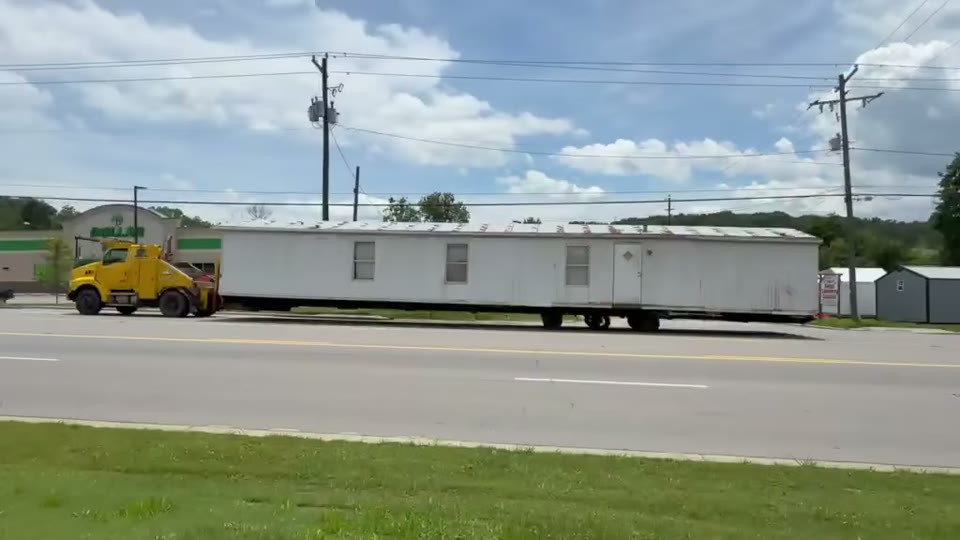
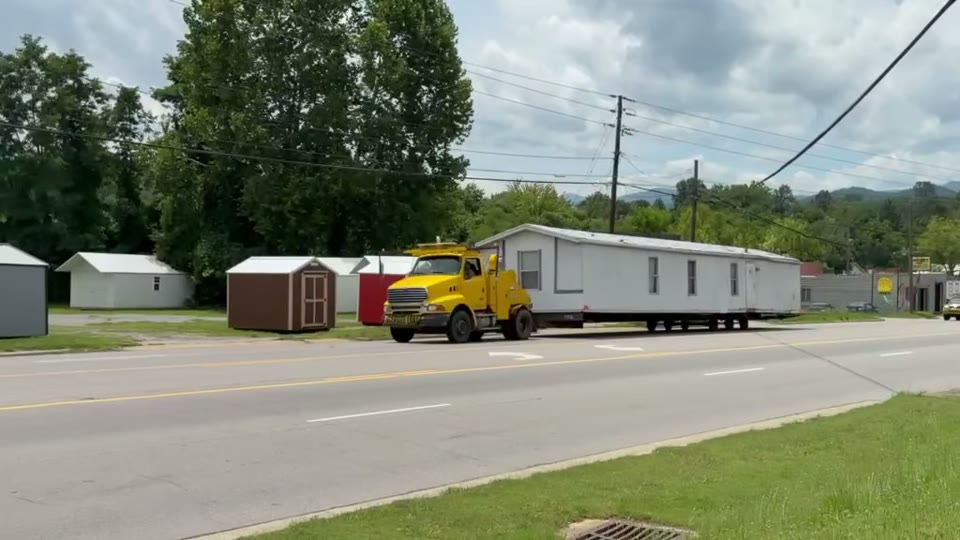
A mobile home that can still move has intact axles or a frame that accepts transport beams, floors that haven't rotted through at the hitch points, and a profile that fits the NCDOT oversize load rules under Publication MH-2. If those conditions hold, the home gets disconnected from utilities, skirting and steps come off, and it hauls out as a legal oversize load. That option is handled by a mover — see mobile home movers in Canton NC for what that process looks like and when it makes sense.
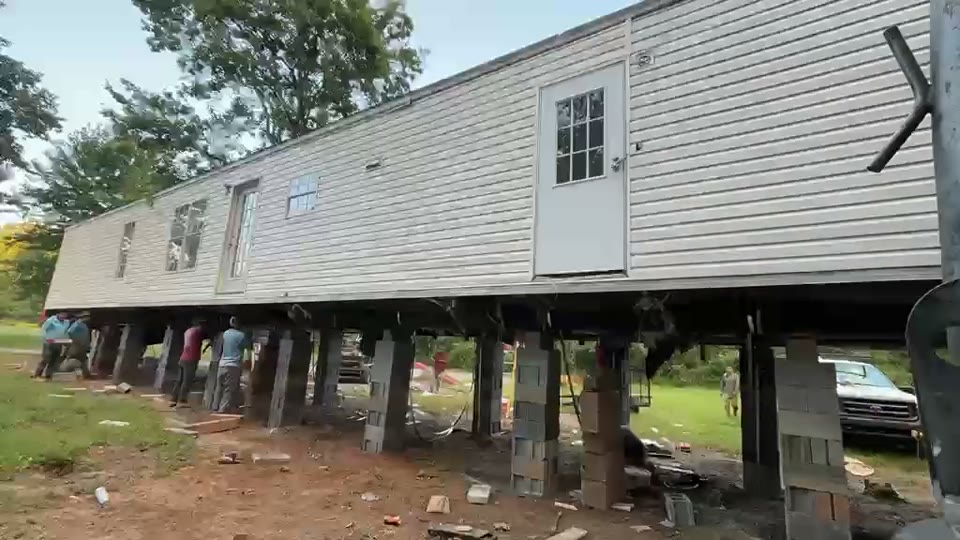
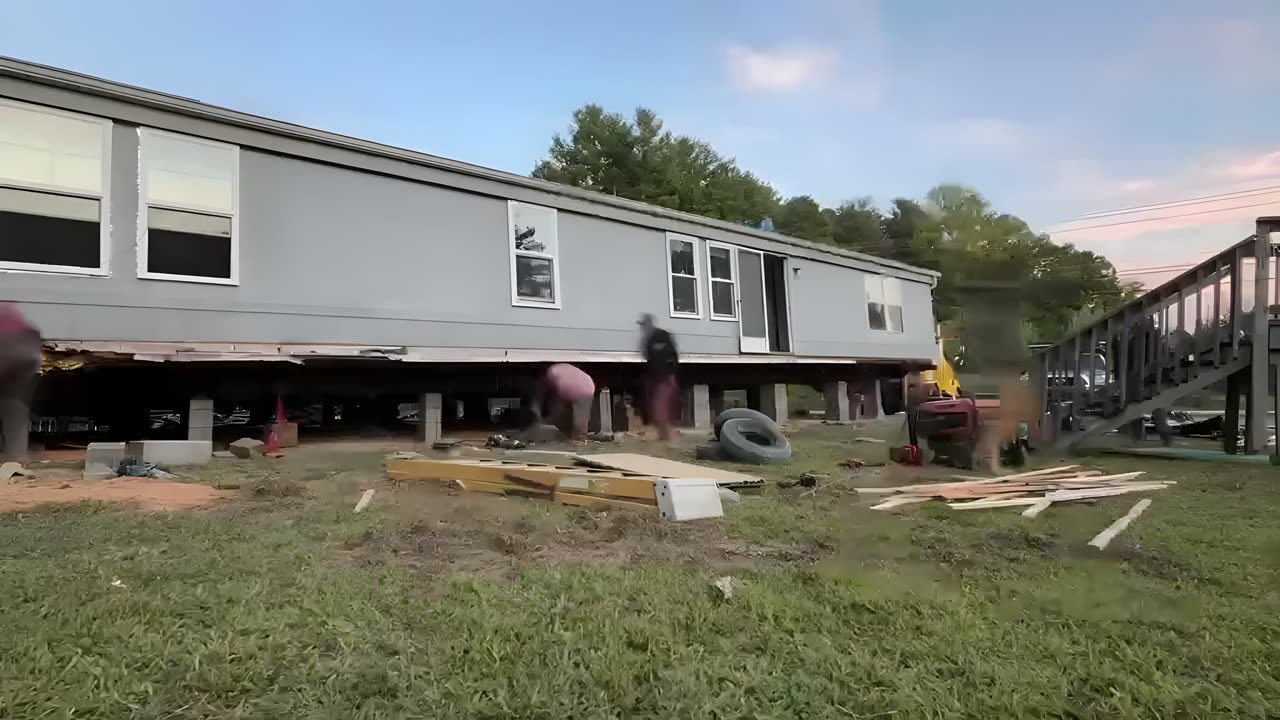
When the frame is twisted, the floor decking is compromised, or the home took damage across one or more of Haywood County's recent storm seasons, a demolition in place is the realistic answer. The structure comes down in sections, materials are sorted for landfill versus recycling consistent with EPA guidance on construction and demolition debris, and the lot gets cleared of concrete piers and any remaining utility stubs. The mobile home demolition and removal page covers that scope in detail.
What the work typically costs around Canton
The price split between hauling and demolition is real: intact hauls run lower on disposal because the home moves instead of being broken down. Demolition costs more in labor and landfill fees but is often the only option on a storm-damaged or heavily deteriorated unit. The table below covers the common scopes; see the full NC mobile home removal cost guide for regional context and the variables that push a job toward the high end of its range.
| Removal scope | Typical range |
|---|---|
| Single-wide, haul away intact (road-ready frame) | $3,000 – $5,500 |
| Single-wide, demolition in place and disposal | $4,500 – $7,000 |
| Double-wide, haul away intact | $6,000 – $10,000 |
| Double-wide, demolition in place and disposal | $9,000 – $15,000 |
| Skirting, steps, and deck removal only | $400 – $1,200 |
| Utility disconnection and cap (water, sewer, electric) | $500 – $1,500 |
| Pad grading and pier removal after home is gone | $800 – $2,500 |
Tight Pigeon River-valley lots with limited staging room, steep switchback driveways, or low-clearance access add to mobilization time. Those jobs land in the upper portion of their range.
The paperwork before a single wheel turns
Three separate permit and paperwork tracks run in parallel before any removal moves forward in North Carolina. The tax-paid moving permit under NCGS Chapter 105, Article 18 requires the county tax office to certify that all taxes on the manufactured home have been paid and that the title is clear, with no lien and no outstanding taxes. That certificate has to be in hand before the home can legally leave the lot. On the road side, any haul that exceeds legal width needs an oversize permit from NCDOT under Publication MH-2; the routes through Haywood County on US-19/23 and I-40 have their own clearance and turn-radius considerations that the permit process accounts for.
The contractor handling the work must hold a license under the NC Manufactured Housing Board, administered by the NC Office of State Fire Marshal. Haywood County also has its own permit requirements for removal and demolition work. The county permit office can tell you exactly what applies to your lot and timeline. Call them before move day; their current process is not described here because it was not independently verified.
Storm history and what it left behind in Haywood County
Haywood County carries 19 federally declared disasters across 1973-2026, with the recent run including hurricanes in 2020, 2021, and 2023, a tropical storm in 2024, and a winter storm in 2026. Mobile homes that stayed on Canton lots through those events absorbed repeated cycles of wind, flooding, and freeze-thaw. Some held up. Others show the damage only when a crew starts disconnecting utility connections and the floor assembly flexes in ways it shouldn't.
Haywood County sits in HUD Wind Zone I under 24 CFR 3280.305, the lowest of three wind zones, which sets the baseline anchor and tie-down design standard for homes installed here. That standard matters at removal too: homes that were properly anchored are easier to disconnect cleanly, while homes that were never anchored to spec, or that shifted anchor points during flood events, require more careful dismantling to avoid damaging adjacent structures or utilities.
What the lot looks like when the work is done
A complete removal leaves more than an empty footprint. Concrete or block piers get pulled or broken down flush, utility connections get capped at the ground, and the grade gets addressed so water doesn't pool where the home was sitting. If the lot is going to carry a new manufactured home, the pad preparation matters — a pier layout that was correct for a 1980s single-wide may not align with a new home's specs or current setback requirements. Having that conversation with the contractor before removal, not after, avoids a second mobilization to regrade or reposition.
If the lot is going back into permit review for a new home, documentation of what was removed and how, including where utilities were capped, speeds up the new installation permit. The full scope of post-removal site work and what it adds to total project cost is on the NC mobile home removal cost page.