North Buncombe Routes and What They Add to a Move
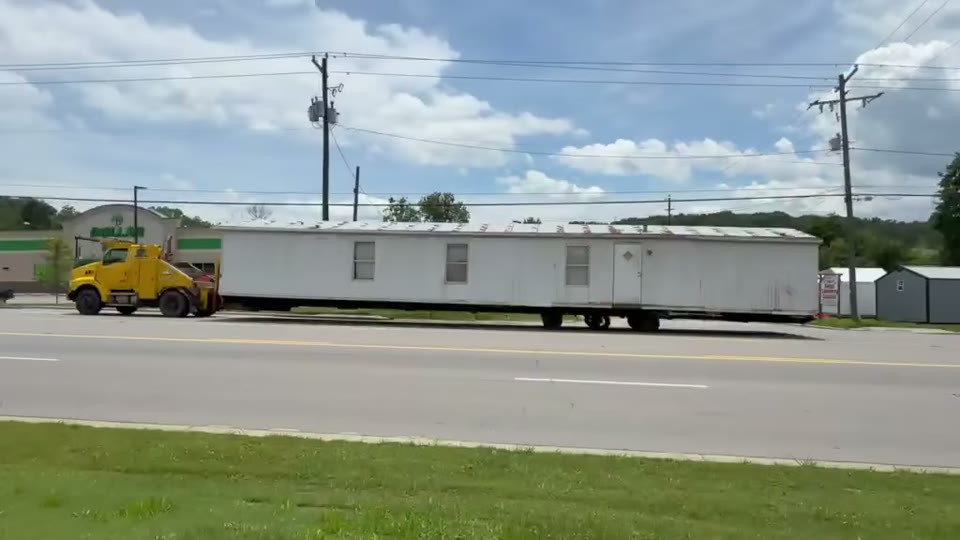
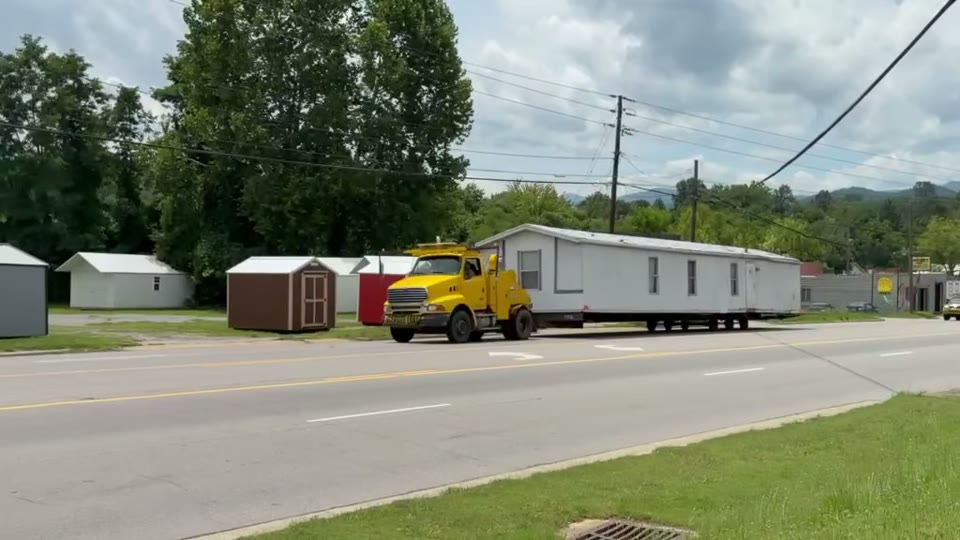
Weaverville sits roughly eight miles north of downtown Asheville NC along Interstate 26, and most mobile home moves in this part of Buncombe County trace that same north-south corridor before branching onto smaller county roads. Reems Creek Road and Flat Creek Road wind through terrain that can demand slower haul speeds, careful clearance checks under power and utility lines, and in some cases an advance scout run before the transport day. A move that looks short on a map may still push toward the upper end of typical cost ranges because of those routing realities.
North Buncombe County has a mix of older manufactured-housing parks and newer residential subdivisions. Older parks sometimes have narrow internal driveways or mature trees that need clearance before the home can exit on its transport frame. Newer lots may require a gravel access pad or engineered blocking plan before the home can be safely placed. Both situations add labor and time before a single mile of public road is driven. The lot at the destination is just as important to the final price as the lot the home leaves from.
For hauls that cross into neighboring Madison, Haywood, or Henderson counties or that follow the Blue Ridge Parkway corridor, see our overview of mobile home moving across Western NC for route-specific considerations that go beyond a local in-county job.
What a Move Typically Costs Near Weaverville
Around Weaverville a single-wide move typically runs $3,000 to $8,000 and a double-wide $7,000 to $15,000, transport only. Those ranges cover the tow truck, a required pilot car for overwidth loads, labor to block the home and disconnect utilities for the haul, and the drive to the new site. Permits, site preparation, blocking and leveling at the destination, utility reconnects, and skirting are all billed separately and should appear as distinct line items on any written quote.
| Scope | Typical Transport-Only Range |
|---|---|
| Single-wide, local in-county (under 20 miles, clear access) | $3,000 – $6,000 |
| Single-wide, longer route or restricted lot access | $5,500 – $8,000 |
| Double-wide, local in-county (under 20 miles, clear access) | $7,000 – $11,000 |
| Double-wide, complex route or challenging lot conditions | $10,000 – $15,000 |
| NCDOT oversize transport permit (MH-2 process) | Separate line item; varies by route |
| Site preparation, blocking, anchoring, and re-leveling | Quoted separately |
Route complexity is the main variable that moves a job from the low end of a range toward the high end. Steep grades, tight turns at intersections, and lots with limited turnaround room all require more equipment time. A reputable mover will ask for photos or a site visit before quoting a firm number, particularly for a double-wide or a lot on one of the narrower county roads north of Weaverville.
NCDOT Permits and Contractor Licensing
Every manufactured home transported on a North Carolina public road requires an oversize load permit from the North Carolina Department of Transportation. NCDOT's process for mobile and modular home moves is documented in Publication MH-2, which covers route restrictions, travel curfew hours, required escort vehicles, and seasonal limitations. The licensed mover pulls this permit, not the homeowner, but the cost appears as a line item on the final invoice and varies by route length and the counties the load crosses.
Buncombe County and the Town of Weaverville may also require local zoning approvals and a separate installation permit before a home can be placed on a new lot. State oversight of the contractors who move and set manufactured homes falls under the NC Manufactured Housing Board, administered through the NC Office of State Fire Marshal. That board licenses movers, dealers, and installation contractors statewide. Confirming that a contractor holds a current state license before signing any contract is not a formality; it is a legal protection for the homeowner and a condition of lawful work in North Carolina.
Setup, Anchoring, and Re-leveling at the New Lot
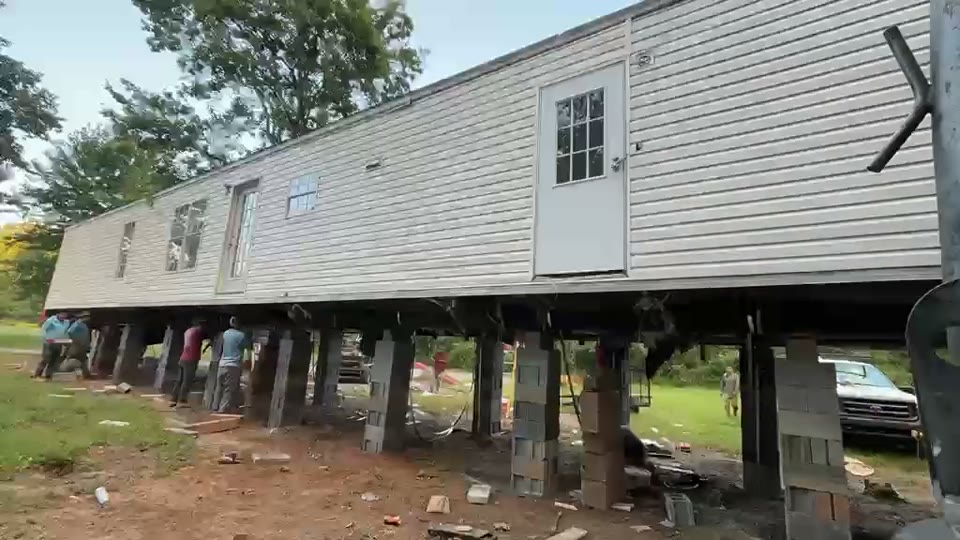
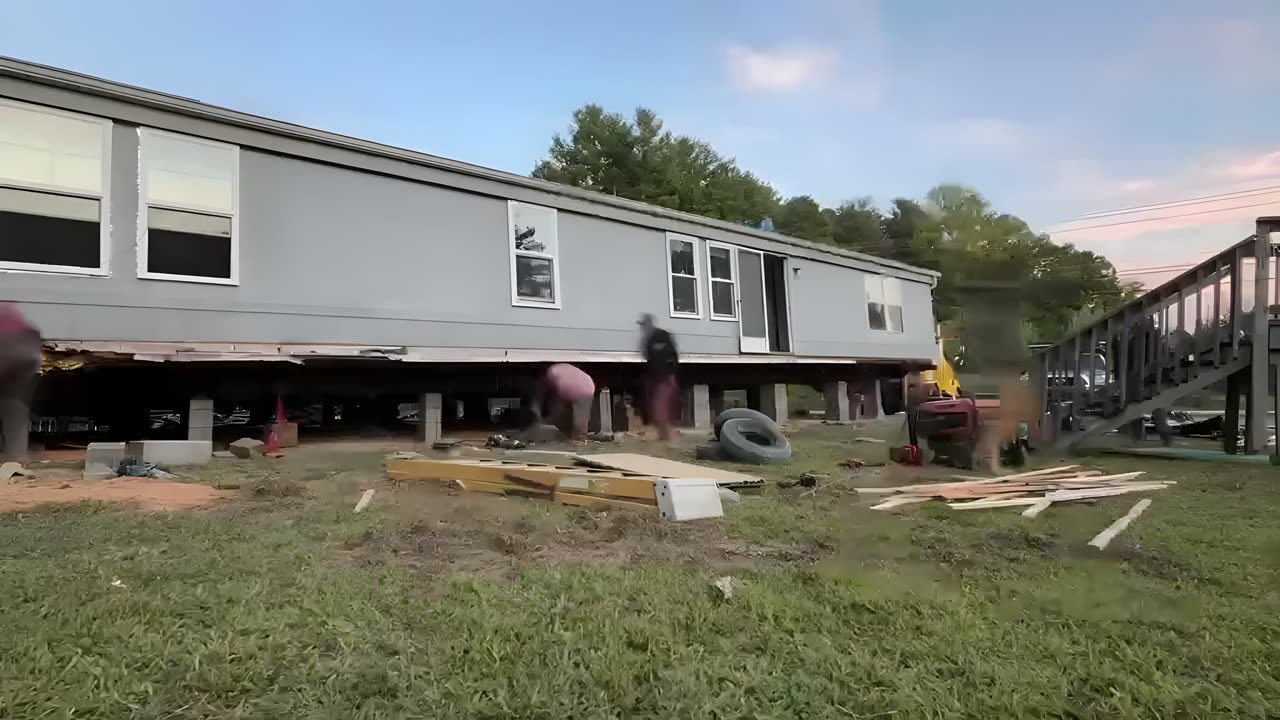
Once a home reaches its new Weaverville lot, the installation work begins. A properly set manufactured home requires a foundation or pier system at the correct spacing, blocking that meets the manufacturer's specification, and tie-down anchors appropriate for the local wind zone. Buncombe County is in HUD Wind Zone I (24 CFR 3280.305), which defines the minimum lateral load and anchor spacing standards for any home installed here. An installation that does not meet Zone I requirements does not comply with North Carolina code, regardless of how long the home has sat on a lot.
Homes that have been moved previously, or that sat on an uneven or soft lot before the move, almost always need re-leveling at the new site and may need it again after the first full season of settling. Soft spots in floors, doors that stick or swing on their own, and visible gaps at interior wall joints are common signs that a home has shifted out of level since its last installation. Our mobile home set-up and installation page covers what a full installation involves from the ground up, and our mobile home re-leveling page explains what to look for after relocation and what correcting a settled home typically involves.
The HUD Office of Manufactured Housing Programs publishes the national framework for installation and construction standards that all licensed contractors must follow. Asking your installer to explain the anchor and blocking plan for your specific lot is a reasonable and appropriate question before work starts.
Storm History and Tie-Down Standards in Buncombe County
Buncombe County has experienced 19 federally declared disasters over a 1973-2026-year record, including hurricanes in 2020, 2021, and 2023, a tropical storm in 2024, and a winter storm in 2026. Those events underscored the difference between manufactured homes that were properly anchored and those that were not. High wind and saturated soil from extended heavy rainfall can shift or overturn a home that lacks adequate tie-downs, and the consequences on sloped terrain in a mountain county setting can be severe.
Proper anchoring to HUD Wind Zone I (24 CFR 3280.305) standards is a condition of legal occupancy in North Carolina, not an optional upgrade. The National Weather Service tornado safety guidance for mobile homes reinforces that even a well-anchored manufactured home requires a nearby substantial shelter plan for any severe weather warning. Before hurricane or ice storm season, know where your closest solid-construction shelter is and how quickly you can reach it. Asking a mover or installer to confirm their anchor installation meets current Zone I requirements is a straightforward question that every licensed contractor should be able to answer directly.
What to Confirm Before Moving Day
A move that goes smoothly on transport day is typically one that was prepared carefully in the weeks before. Confirm that the new lot has received all required local approvals and that utility stub-outs are in place before the home arrives. If the lot is on a gravel or unpaved access road, ask whether a temporary access pad is needed so the tow truck can maneuver safely. Overgrown vegetation, low-hanging utility wires, or unmarked easements at either end of the route are worth identifying and resolving before the truck arrives.
Ask any mover for a written scope of work that separates the transport price from everything billed independently: permits, blocking materials, tie-downs, skirting, and utility connections. A single quoted total that bundles all of those items together makes it difficult to compare one contractor against another or to understand what changes if conditions at the site differ from what was discussed. Itemized written quotes are standard practice among reputable licensed contractors and protect both parties if the scope needs to adjust on moving day. If a contractor is reluctant to break out line items, that reluctance itself is useful information.