What a Buncombe County move actually costs
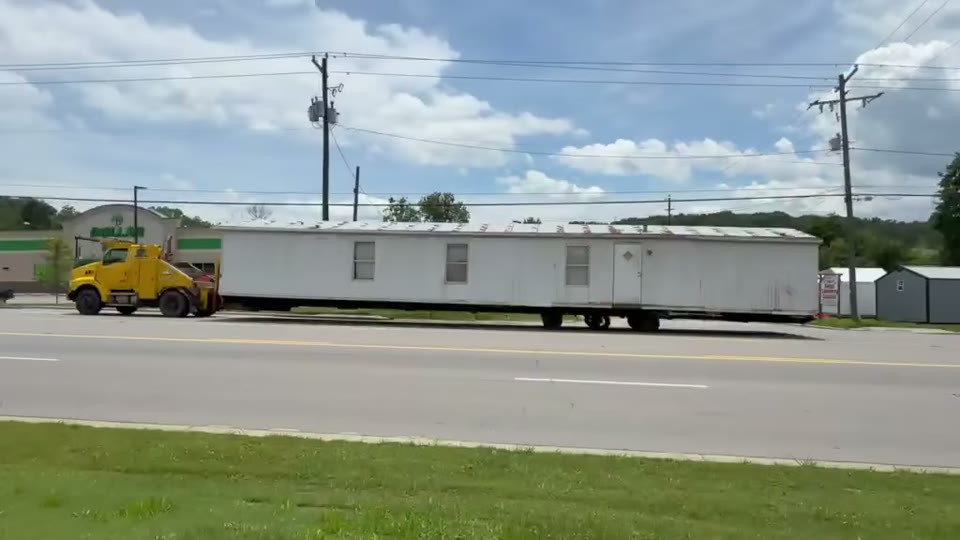
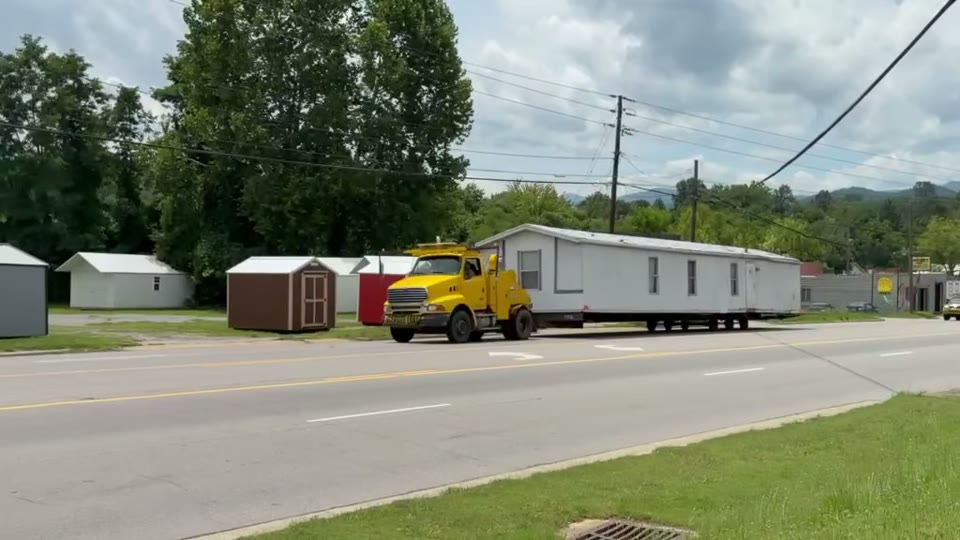
Buncombe County's ridge-top parcels, river-bottom communities, and winding road corridors make mobile home transport pricing anything but standard. A job that looks routine from a street address can involve navigating narrow switchbacks through communities like Leicester or routing around weight-restricted bridges in the Swannanoa Valley — and those conditions show up in the quote before the home moves an inch.
The ranges below reflect what this market actually produces for each component of a move. These are working spans based on real Buncombe County conditions, not averages pulled from national aggregators.
| Component | Typical Buncombe County range | What drives the number |
|---|---|---|
| Single-wide transport | $3,000 – $8,000 | distance, road access, routing complexity |
| Double-wide transport | $7,000 – $15,000 | wide-load pilot cars, mountain grades, permitted route |
| Site teardown (blocking, utility disconnect) | $500 – $1,500 | home age, access, existing pier and blocking count |
| NCDOT oversize and tax-paid permits | $200 – $600 | home size, counties crossed, route requirements |
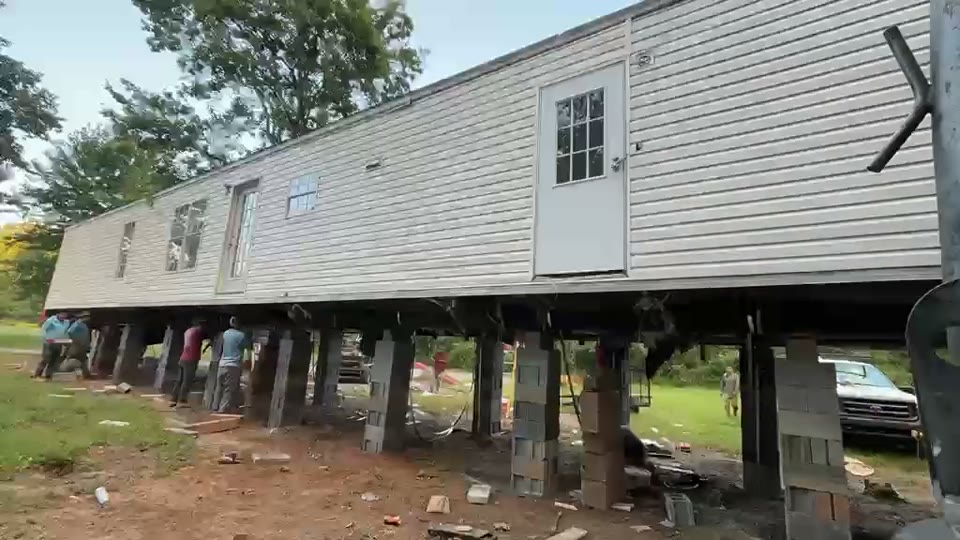
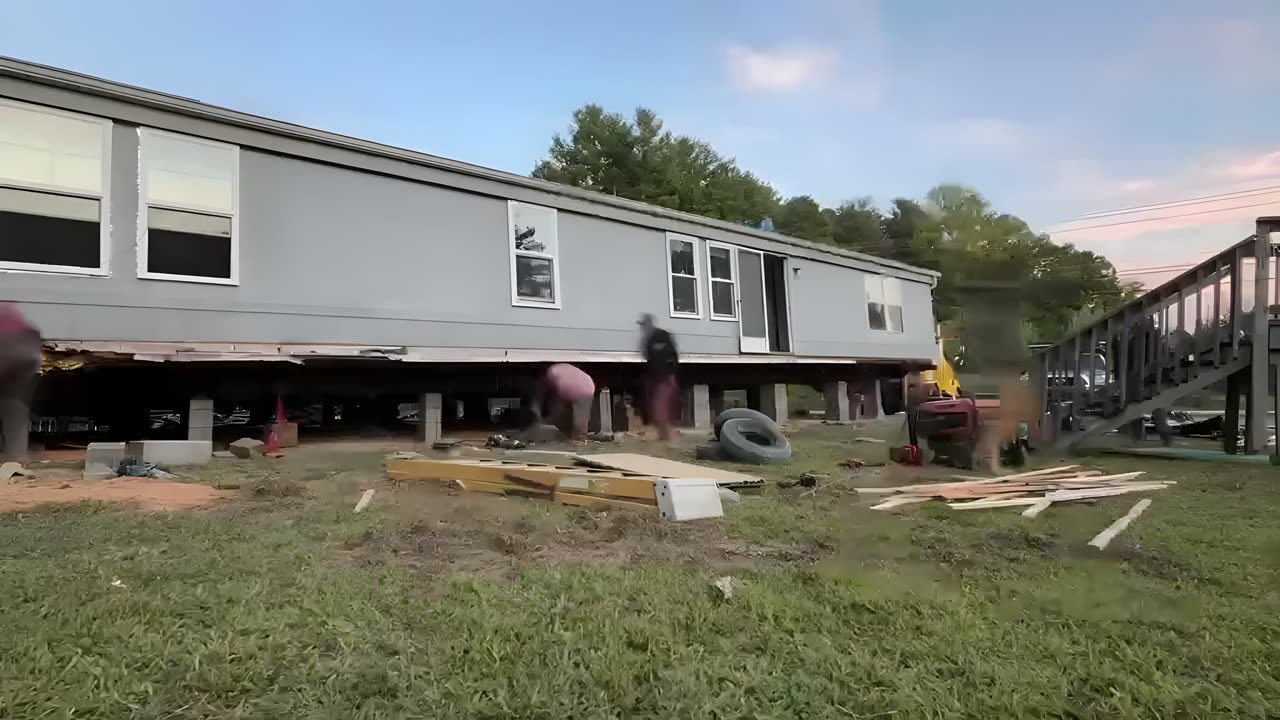
| New-site installation (blocking, leveling, tie-downs) | $1,500 – $4,000 | slope, soil condition, anchor system type |
Teardown, permits, and setup are separate line items that stack on top of the transport price. A single-number quote with no line-item breakdown makes scope comparison between bids nearly impossible and leaves room for change orders once the work is underway.
Double-wide jobs consistently land toward the upper end of every range. Wide-load transport on mountain roads requires advance route planning, pilot vehicles, and sometimes off-peak travel windows — all costs that accumulate before the first mile is driven.
How mountain terrain shapes the final number
Western North Carolina's topography imposes costs that no flatland market estimate accounts for. Buncombe County's roads range from broad state corridors near Weaverville to ridge tracks in Leicester and Black Mountain that narrow to a single lane with turnout pull-offs. A transporter quoting a Piedmont move can often work from a map; a Buncombe County move frequently requires a physical route assessment before a number makes sense.
Steep grades are the most predictable terrain surcharge. Grades above eight or ten percent on approach roads require reduced travel speeds, additional braking capacity, and on a double-wide, careful assessment of whether the home can complete the turn angles at the destination lot without repositioning equipment. Some mountain-area sites require temporary removal of a carport structure or porch addition before the home can depart the origin lot — costs that appear in the teardown line, not the transport line.
Weather history in this county adds a site-preparation urgency that Piedmont contractors rarely emphasize. Buncombe County has recorded 19 federally declared disaster events over 1973-2026, including a Winter Storm in 2026, a Tropical Storm in 2024, and hurricane-category storms in 2023, 2021, and 2020. A manufactured home that is properly blocked, anchored, and sited for drainage weathers those events differently than one placed hastily on a flat gravel pad with no drainage plan.
On the road, every North Carolina mobile home move requires an oversize permit from the state. The NCDOT Publication MH-2 governing mobile and modular home permits sets the routing, time-of-day, and escort requirements that apply to your specific load dimensions. In mountain counties, NCDOT-approved routes sometimes add significant mileage over the straight-line distance — and transport prices reflect actual miles driven on the permitted route, not the crow-flies span.
The permit stack a legal North Carolina move requires
Three separate permit layers apply to most Buncombe County mobile home moves, and each one involves a different responsible party. Knowing who handles which document before the job starts prevents the delays and liability gaps that come from discovering a missing step mid-move.
The first is the NCDOT oversize load permit described above. It applies to the transport company and travels with the driver on every legal move in the state. No compliant transport starts without it.
The second is the tax-paid moving permit required under NCGS Chapter 105, Article 18. Before a manufactured home can legally move in North Carolina, any assessed property taxes on the home must be paid and a receipt from the county tax collector must accompany the home to its new location. This obligation lands on the seller or current homeowner, not the transporter. Taxes that go unpaid at the origin site do not disappear when the home changes location — they surface as a lien at the new site or at the next title transfer.
The third is the installation permit at the receiving site. Setup work on a manufactured home in North Carolina is licensed activity regulated by the NC Manufactured Housing Board through the Office of State Fire Marshal. Contractors who perform manufactured home installations must carry a board-issued license. Asking to see that credential before work begins is a routine and reasonable step. The installation permit itself is pulled from Buncombe County's local building inspections office, and an inspection follows before the job is considered complete. A setup crew working without a license and without a pulled permit is creating a documentation gap that affects financing, insurance, and any future sale of the home.
On a full-service move where one company handles everything, ask in writing which permit fees are included in the quoted price and which ones are billed as pass-through costs at the end of the job.
Transport-only versus move-in-ready: where the price splits
The single most common source of quote confusion in this market is the transport-only versus move-in-ready distinction. Transport-only means the truck delivers the home to the property and stops. The home is not blocked, not leveled, not anchored, and not connected to utilities. Move-in-ready means all of that work is included in the scope.
For homes being placed in Buncombe County, the anchoring component carries code significance that goes beyond any individual contractor's preference. The HUD wind zone designation for this county is Zone I under 24 CFR 3280.305 — the federal standard that sets minimum anchor density and spacing requirements at installation. A manufactured home installed to Zone I requirements has its anchor system designed to the load conditions federal engineers assigned to this region. A home placed without a compliant anchor system is not just exposed to weather risk; it may fail to satisfy conditions required by a lender or insurer.
Sloped lots in communities like Woodfin and Fairview add another variable to the installation budget: grade. A site with meaningful slope requires taller blocking on the downhill side and sometimes a concrete runner or pad system under the home in place of standard piers. That grade work sits in the installation budget, not the transport budget — but it often explains the difference between a $1,500 setup quote and a $3,500 one when two bids are set side by side. The mobile home installation guide for Asheville NC covers what compliant blocking, leveling, anchor systems, and utility connections look like in this market and what each component adds to the job cost.
What to ask before committing to a mover
Most cost surprises on a Buncombe County mobile home move trace to assumptions that neither party put in writing before the job started. Three questions close the most common gaps.
Is this price transport-only or all-in? Every quote should carry a separate line item for teardown, transport, permits, and setup. A single bundled number makes competing bids impossible to compare and creates room for scope disputes once the work is underway. On a double-wide, the gap between a transport-only quote and a full-service move-in-ready quote can exceed $8,000 — the distinction matters before you sign, not after.
Has someone driven the route? On mountain roads through communities like Black Mountain, Leicester, and the Swannanoa Valley corridor, road widths, bridge weight ratings, and clearance restrictions should be assessed in person before a firm price is committed. A mover who has not route-verified is estimating, not quoting. Ask specifically how the route was confirmed and who did it.
Who pulls each permit? The NCDOT oversize permit, the tax-paid moving permit under NCGS Chapter 105, and the local installation permit are three separate documents with three separate responsible parties. On a turnkey job, ask for a written breakdown of who handles each one and whether the associated fees are included in the quoted price or billed separately.
For context on how Buncombe County pricing compares across the state, the statewide mobile home moving cost guide for NC puts this market against other regions. If the move is within or into the mountain counties, the western NC mobile home moving guide covers the terrain, routing, and seasonal factors that apply across the high-country region. Once the home is at the site, mobile home installation in Asheville NC walks through what a compliant, permitted setup requires from first block to utility connection.