Getting ground-ready on a Scotts Creek-area lot
Sylva is the Jackson County seat, sitting where US-23 and US-74 converge in the Tuckasegee River valley. The commercial corridor along those roads is flat enough, but most residential lots in and around town, back up the creek hollows, on the ridges above Scotts Creek, and out toward Dillsboro and Webster, carry grades that require real site work before a manufactured home can arrive and be set plumb and stable. Preparing that ground: grading a level pad, shaping drainage away from the home's perimeter, and installing the concrete footers or runners the chassis will rest on, is where a mobile home foundation project starts in this county, and it carries the most variation in cost and complexity.
The ground prep question comes first because a home cannot be leveled on an unlevel pad, and a pad that drains toward the home accumulates moisture problems that compound every year. For most lots in Jackson County, the site work involves some cut and fill: removing high spots, building up low spots, and compacting the base before any concrete goes in. For more on how grading interacts with the footer choice, see the full guide at mobile home foundation grading and footers.
What Jackson County requires before the home is set
The permitting sequence in Jackson County runs in stages. A land development permit covers the site grading and any changes to impervious surface on the lot. Before the home can be installed, the county requires a documented sewage disposal method: an existing permitted septic system, a new septic permit from the county health department, or a connection verification letter if a community utility serves the lot. Where the lot sits inside a zoning district, a zoning sign-off is also required, and setback and use standards differ from unincorporated county land. Sylva town limits, Dillsboro, Webster, and Forest Hills each maintain their own zoning rules.
State licensing for manufactured home installers is administered through the NC Manufactured Housing Board, part of the NC Office of State Fire Marshal. Those licensing requirements apply statewide alongside Jackson County's local permitting process.
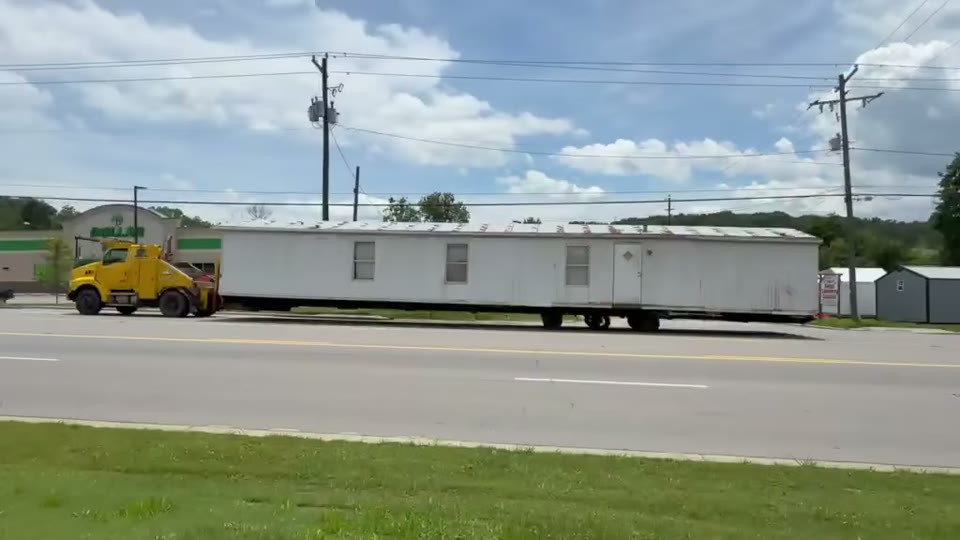
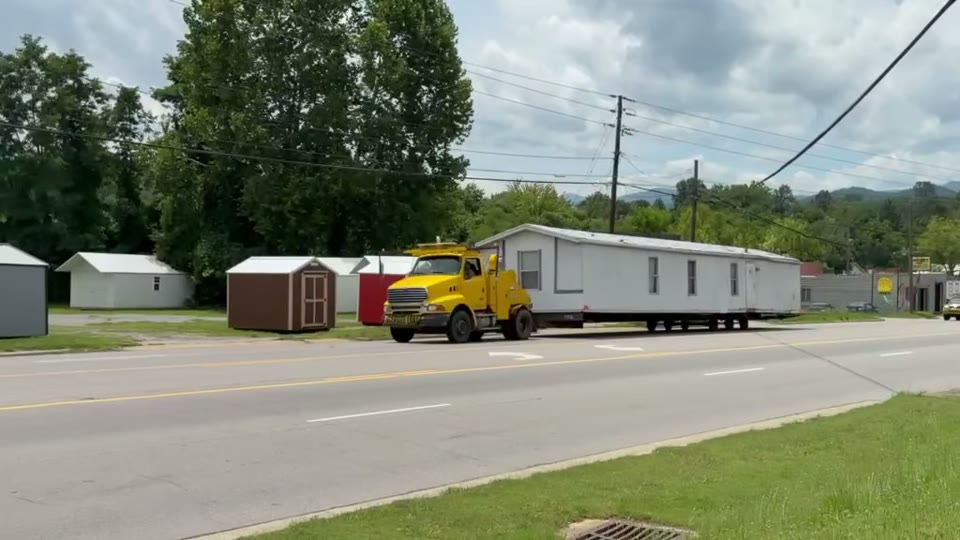
Moving the home over public roads requires a transport permit. The NCDOT MH-2 publication covers the oversize and overweight permit requirements that apply to manufactured home transporters in North Carolina. If the home is converting from personal property to real property for mortgage purposes, the tax-paid moving permit process under NCGS Chapter 105, Article 18 also applies. Once permits are squared away and the site is ready, see mobile home installation Sylva NC for what the set-and-finish process involves.
Footers, runners, and block piers: the foundation options
The frost line in the southern Appalachians is modest compared to states farther north, but in Jackson County's range of elevations, from the valley floor in Sylva to ridge lots above 3,000 feet, footing depth still matters. Frost penetration in this region runs approximately 8 to 12 inches; concrete pads under block piers should be placed below that line to prevent frost heave during freeze-thaw cycles.
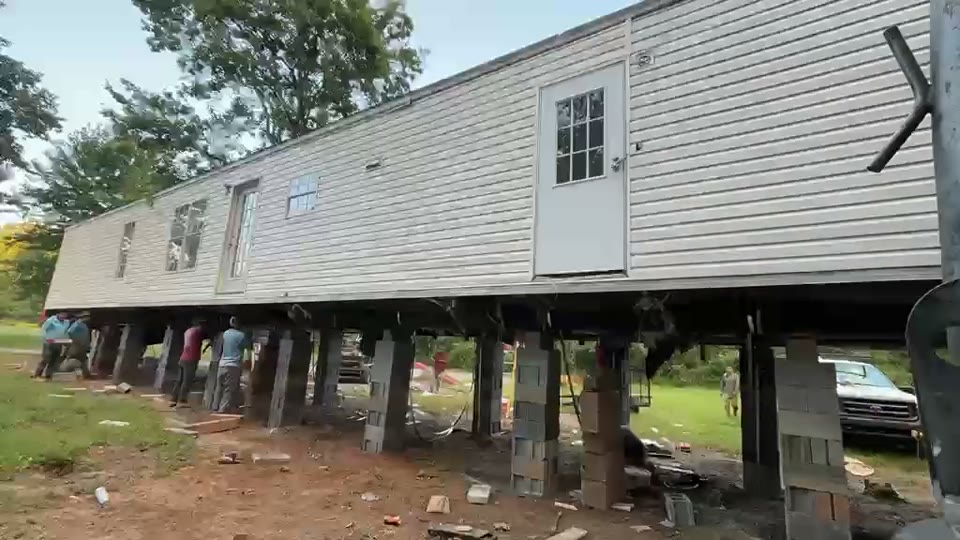
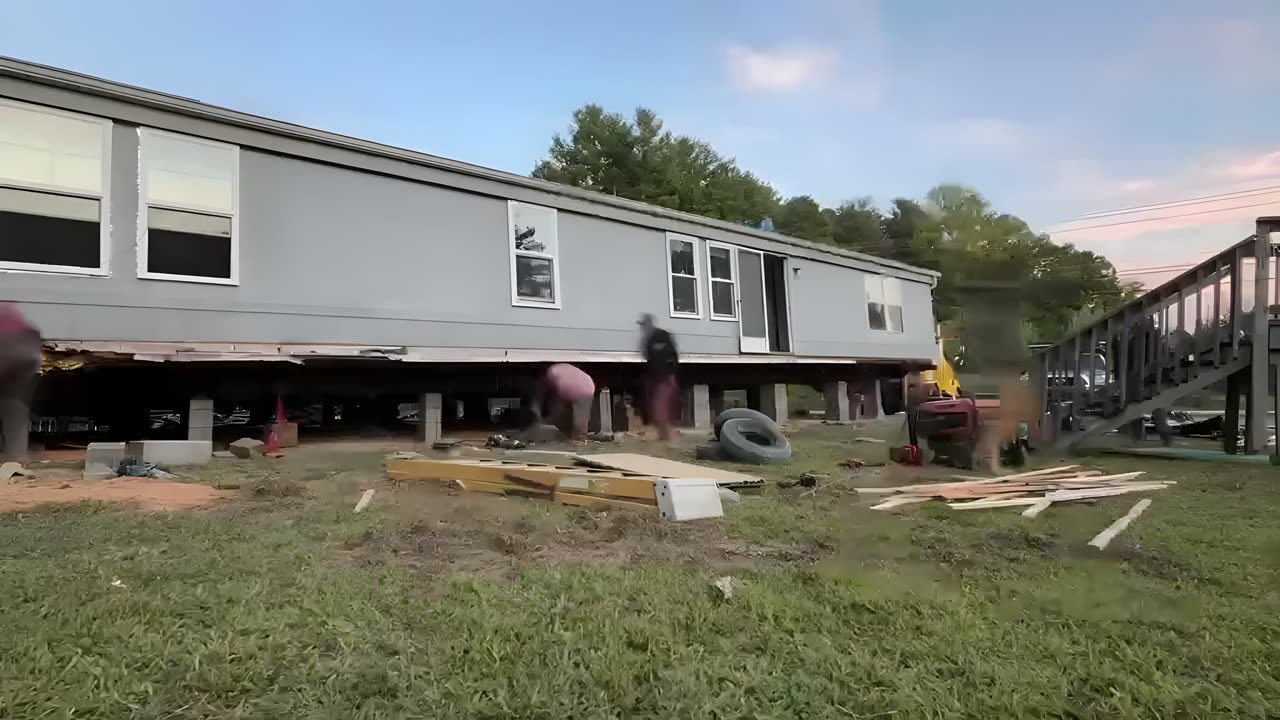
The three main systems in this market are block piers on concrete pads, continuous concrete runners, and full concrete slabs. Block piers on individual poured pads are standard for single-wides: a pad at each pier location, a block stack rising to the steel chassis, with spacing and configuration set by the manufacturer's installation instructions as part of the HUD compliance package. Continuous runners pour a strip of concrete along the chassis perimeter and under the marriage-wall centerline on a double-wide, distributing load over a longer footprint and resisting differential settlement better than isolated piers across a wider floor plan. A full concrete slab is the highest-cost option and the right answer on expansive or wet soils, or where the buyer wants a fully enclosed mechanical underbelly. The HUD Office of Manufactured Housing Programs sets the federal construction and installation standards that frame which foundation systems are approved for HUD-code homes; state and local requirements build on top of those.
What site prep typically costs in Sylva
Site preparation costs in Jackson County vary more than in flatter markets because the grading component is real work on most lots. The table below shows typical ranges for each scope; a specific lot may land anywhere in a range depending on grade, soil bearing capacity, and equipment access.
| Scope of work | Typical range |
|---|---|
| Single-wide, block piers on poured pads, moderate grade | $2,000–$4,000 |
| Single-wide, block piers, steep lot with extra grading | $3,500–$6,000 |
| Double-wide, continuous runners, moderate grade | $4,000–$7,000 |
| Double-wide, full perimeter footer, steep lot | $5,500–$8,000 |
| Double-wide, full concrete slab | $10,000–$15,000 |
The grading work is often the most variable piece. A lot with mild slope and good access may need less than a day of equipment time; a steep ridge lot with limited access can take considerably longer. For more on what the earthwork scope alone involves, see dirt pad for a mobile home.
Storm history and what it means for site drainage
Jackson County carries a documented storm record. Federal disaster declarations go back 1973-2026 and number 17 events, with recent incidents including a winter storm in 2026, a tropical storm in 2024, and hurricanes in 2023, 2021, and 2020. Each of those events pushed significant water through the western North Carolina drainage system. A mobile home site that channels runoff toward the foundation, or that holds water against pier bases and skirting, accumulates structural damage between every one of those events.
Good site drainage is not cosmetic work: it protects the steel chassis from corrosion, the wood subfloor from moisture intrusion, and the soil bearing capacity under the piers from softening over time. Grading the pad so water moves at least six feet away from the home's perimeter, directing any uphill runoff away from the pad, and planning for downspout discharge once the home is skirted are all part of how a properly prepared site holds up through a western North Carolina winter.
Jackson County is in HUD Wind Zone I under 24 CFR 3280.305, the federal manufactured housing construction and safety standard's base category for wind design. Zone I means the home and its anchoring system are engineered to the lower end of the wind-speed standard, not that tie-downs are skippable: anchor and strap placement for both single-wides and double-wides must meet the manufacturer's HUD installation instructions and installer licensing requirements administered by the NC Manufactured Housing Board.