Clay soil, old parks, and what a few Buncombe winters do
Mobile home parks scattered through and around Asheville NC tend to occupy the terrain other development passed over: steeper cuts along Buncombe County's secondary roads, clay benches above the French Broad floodplain, terraced hillsides west of the city where the soil is a red-orange clay that swells when wet and contracts in a dry summer. That ground cycles. After a handful of wet winters, a home that was dead level at setup develops a floor that announces itself every time you walk toward the kitchen.
Most of the county's older parks carry inventory from the 1970s and 1980s — pier-and-pad systems that were correctly installed for their time and have been working quietly ever since. When that quiet shifts to a sticking door, a drywall crack tracking diagonally above a window frame, or a soft bounce in the floor over the chassis, the system is telling you it has moved. The cause in this county is nearly always moisture cycling in clay-heavy soil, which behaves differently from the sandy loam that most leveling guides assume. The fix starts with knowing whether the support itself is still sound or whether the pads and piers have failed beneath it — two different jobs at two different price points.
What the job typically costs
The full line-item breakdown is on the mobile home leveling cost NC page. The working ranges for Buncombe County look like this:
| Scope | Typical Range |
|---|---|
| Single-wide re-level, piers and pads sound | $400–$1,200 |
| Double-wide re-level, piers and pads sound | $700–$2,000 |
| Re-level with pier and pad replacement | $2,500–$5,000 |
| Full re-set after relocation or major storm damage | See set-up and installation |
A few cost factors specific to this county: access on steep hillside lots slows work and adds labor time; concrete pads poured on uncompacted fill in older parks often have irregular bearing that only shows up once a technician crawls under; and homes that have sat in the same spot for two or more decades frequently have accumulated debris around the pier bases that must be cleared before an honest inspection is possible. A quote that ignores those conditions is not a bargain — it is written for a different job.
Re-leveling versus replacing piers — the inspection tells the difference
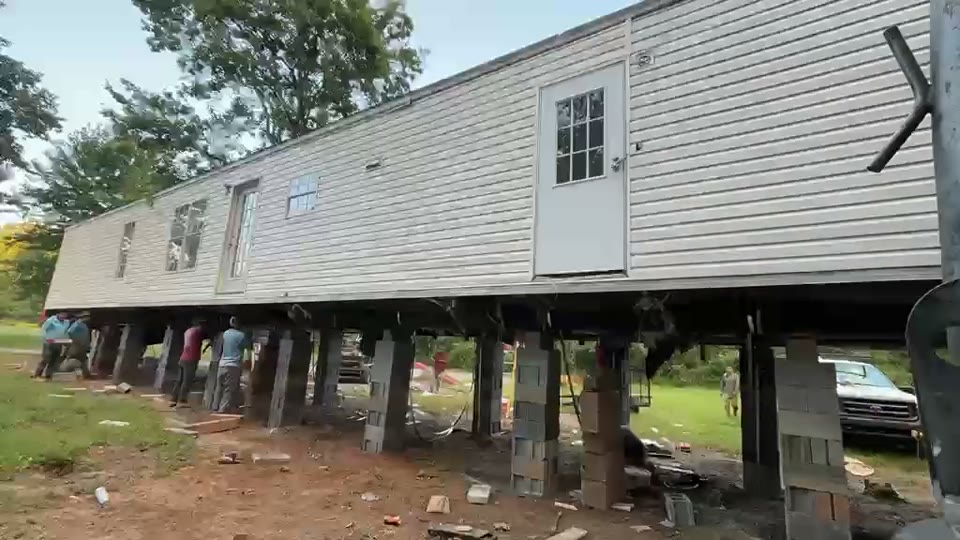
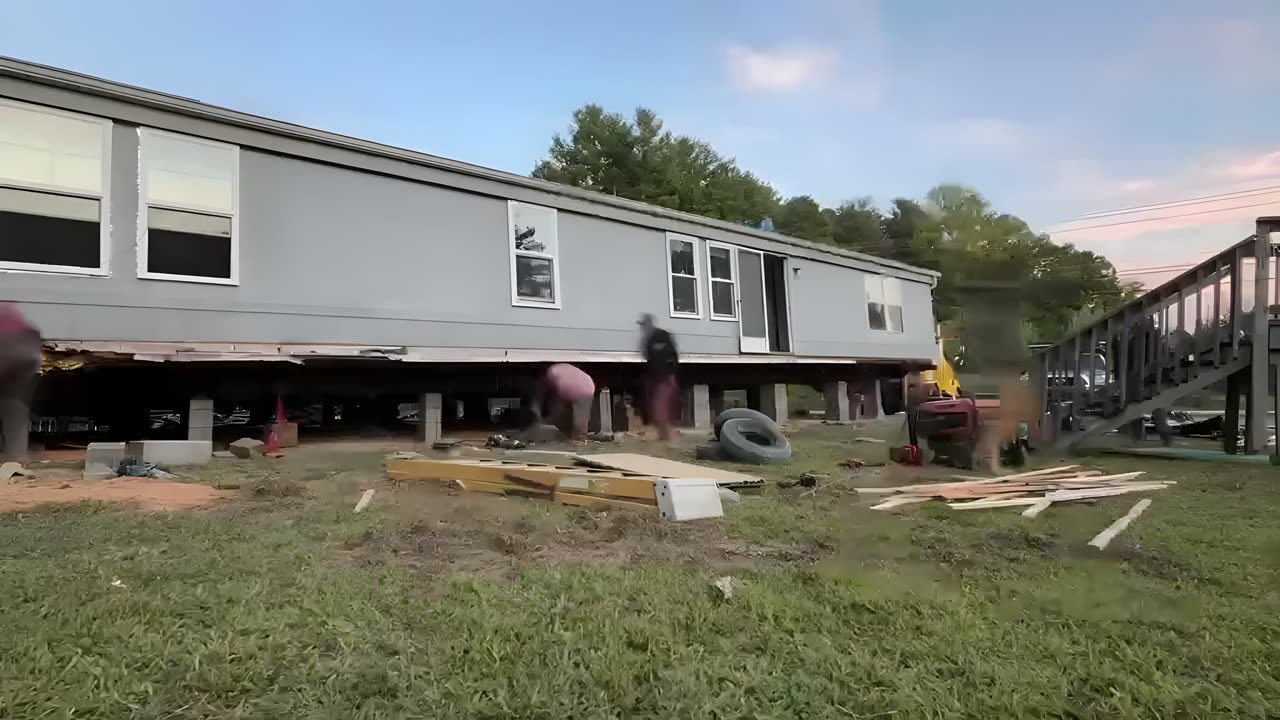
A re-level is a mechanical adjustment of the existing support. A technician finds the low points by measuring the chassis from the ground, places shims on the steel piers, and brings the home back within the tolerance required by the installation standard. When the piers are plumb and the concrete pads underneath them are intact, that is a clean job that can often be completed in a single visit.
Pier replacement is different work. Concrete pads on clay-heavy cut lots can tilt, sink unevenly, or crack through the center after years of moisture cycling. Steel piers corrode from the bottom when water pools under the home — especially in parks where vapor barrier maintenance has lapsed. When either of those conditions is present, re-leveling on top of failed support does not hold; the home moves again within a season. A proper inspection covers the full perimeter and records each pier's plumb, each pad's surface integrity, and any evidence of standing water or organic growth on the blocking before a scope is written.
The mobile home re-leveling page covers what a thorough under-home assessment includes and what questions to raise before any work begins.
What Buncombe County storm history means for your support system
Buncombe County has recorded 19 federally declared disaster events across 1973-2026, with recent incidents including hurricanes in 2020, 2021, and 2023, a tropical storm in 2024, and a winter storm in 2026. Each event saturated ground that had been supporting homes under drier conditions — and saturated clay bears load differently than the dry clay that was present at original installation. Homes that went through those events without a post-storm under-home inspection may appear level to the eye while their pads have shifted and not finished settling.
High-wind events carry a second concern: anchor system integrity. Buncombe County falls in HUD Wind Zone I under 24 CFR 3280.305, which sets minimum diagonal strap count, anchor spacing, and soil-anchor requirements for manufactured home installation. A home that was installed before the current anchor standard, or moved and re-set following a major weather event, should have its tie-down system reviewed as part of any leveling scope. The National Weather Service mobile home guidance notes that manufactured housing requires access to a designated safe area during severe weather because the structural load path differs from site-built construction — a reminder that the anchor system and the leveling system are connected, not separate concerns.
The NC Manufactured Housing Board, administered through the NC Office of State Fire Marshal, licenses contractors who perform installation and setup work across North Carolina and publishes the installation standards that govern anchor systems, pier spacing, and chassis support.
Three questions to ask before anyone goes under your home
First, ask whether the crew holds current NC manufactured housing contractor credentials. The NC Manufactured Housing Board licenses this work because manufactured home installation and repair is governed by federal and state requirements that differ from conventional residential construction. A crew that cannot answer this question directly is worth reconsidering.
Second, ask whether they have worked slope-lot parks in Buncombe County specifically. Flat-lot experience does not translate directly to access on a graded hillside, and the pier bearing questions are different when the lot drains at an angle. The parks west and north of Asheville NC that sit on steeper terrain require different staging and site practices than parks on level ground.
Third, ask what the inspection includes and whether you receive a written scope before any work starts. A legitimate scope identifies every pier, every pad, and the condition of the vapor barrier and chassis perimeter. Anything less is a quote written without looking.
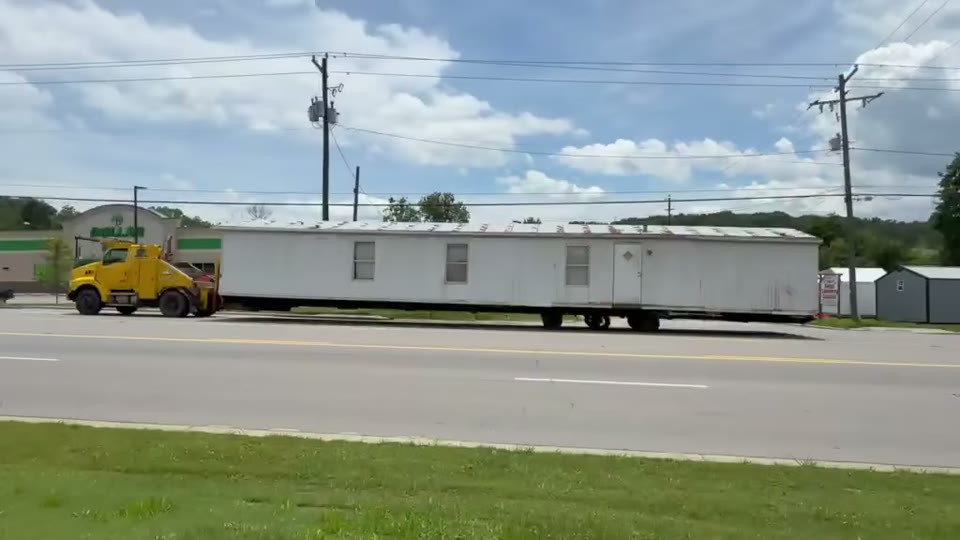
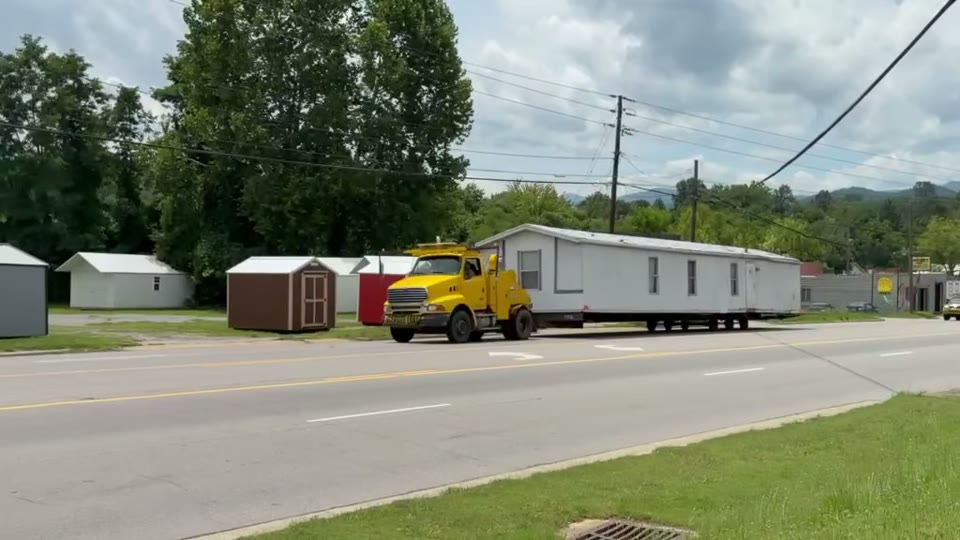
If the home was moved recently or is being relocated, the transport itself falls under the NCDOT Mobile and Modular Home Permits (Publication MH-2), which governs oversize load permitting on North Carolina roads. That process is separate from the setup and leveling work that follows, but the two scopes interact — see mobile home set-up and installation for what full delivery-and-set work covers.