Clearing a Candler lot starts before the first wheels turn
Candler sits in western Buncombe County along the French Broad River corridor, where manufactured housing has been a fixture on wooded lots, creek-bottom parcels, and ridge-cut clearings for decades. A lot of those homes are at or past the point where they can safely make a road trip. The first real question in any removal job is not what it costs — it is whether the unit travels or gets taken apart where it stands.
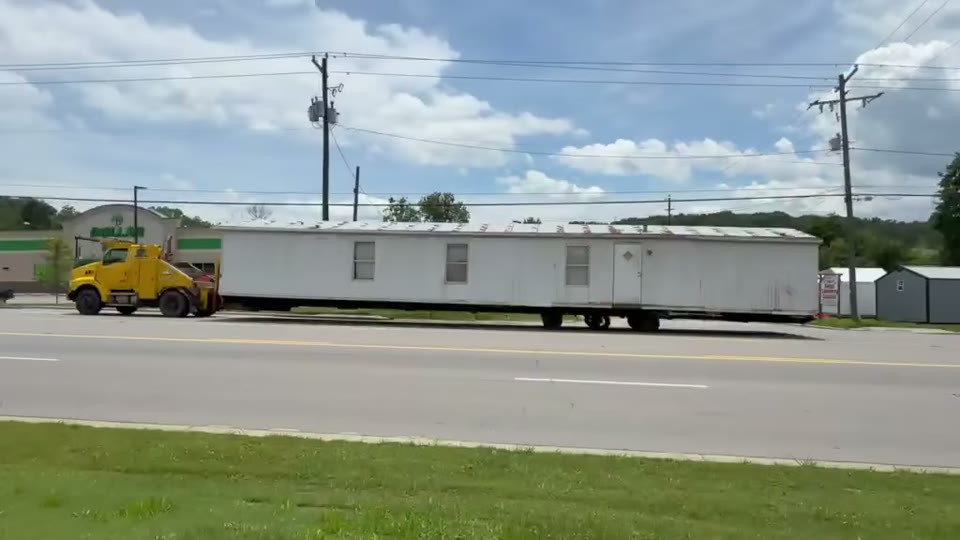
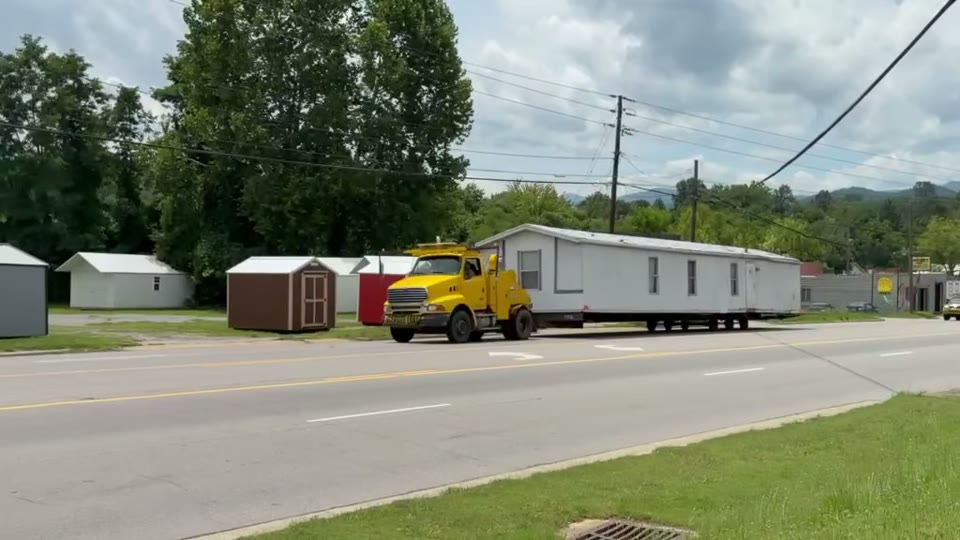
If the home can roll, a licensed mover disconnects utilities, pulls the tie-down anchors and skirting, connects the axles, and hauls the home in sections under an NCDOT oversize-load permit. NCDOT Publication MH-2 covers the routing, bonding, and move-permit requirements for manufactured homes in North Carolina — a mover who skips this step leaves the property owner exposed. When the roof is soft, the chassis is compromised, or the walls have shifted past safe towing tolerance, deconstruction on-site is the only answer. See mobile home demolition and removal for how that process runs from first cut to final haul.
Either path ends the same: cleared lot, pulled anchors, grade ready for whatever comes next. The actual product is not just a home that is gone — it is a parcel that is ready to close, sell, or put something new on.
What removal costs on a Candler job
Cost turns on two variables: size and condition. A single-wide that can be towed out intact is the least expensive removal; a double-wide in poor structural condition requiring on-site demolition and multiple debris hauls is the most expensive. Access conditions matter too — long driveways, creek-bottom terrain, and the wooded parcels common in western Buncombe County can add costs when heavy equipment has limited clearance. Get a site visit quote rather than a phone estimate for anything other than a straightforward, accessible lot.
| Scope | Typical Range |
|---|---|
| Single-wide — haul-off intact | $3,000–$5,500 |
| Single-wide — on-site demolition | $4,500–$7,000 |
| Double-wide — haul-off intact | $6,000–$10,000 |
| Double-wide — on-site demolition | $9,000–$15,000 |
| Site cleanup and anchor removal (add-on) | $800–$2,500 |
Metal recycling — chassis steel, aluminum siding, HVAC equipment — can offset some demolition costs depending on current commodity prices and how much is salvageable. Confirm with the crew before they start what gets recycled and what goes to the landfill.
Permits, title, and disconnects: the sequence that matters
Three things have to happen before the home moves. They can run in parallel, but all three need to be confirmed before the tow truck arrives.
County permits. Buncombe County Permits and Inspections (35 Woodfin St., Asheville NC) handles applications for manufactured home removal on unincorporated county lots. The application typically requires proof that water and sewer service has been properly closed: a utility letter or meter receipt from the Metropolitan Sewerage District of Buncombe County (MSD) for homes on public sewer, or a Buncombe County well and septic authorization for homes on private systems. Homes within Asheville city limits or Black Mountain town limits fall under those municipalities' own permitting offices, not the county.
Title and taxes. North Carolina holds a vehicle title on most manufactured homes that have not been permanently titled to real property. Moving or demolishing without first resolving the title creates a chain-of-title problem on the parcel. The NC DMV handles title transfer; the county tax office handles removal from the tax roll under NCGS Chapter 105, Article 18, which governs the tax-paid moving permit process for manufactured homes in North Carolina.
Utility disconnects. Electric, gas, water, and sewer disconnects must be verified before any movement begins. Each utility company runs its own disconnect order process — do not assume the removal crew coordinates this. Disconnects are the property owner's responsibility to initiate.
When a Candler home cannot make the trip
Buncombe County has accumulated 19 federally declared disaster events over 1973-2026, including hurricanes in 2020, 2021, and 2023, a tropical storm in 2024, and a winter storm in 2026. Manufactured homes on flood-adjacent parcels along the French Broad and Swannanoa corridors absorbed repeated hits during that stretch, and many in the Candler area saw compounding damage from successive events layered on top of deferred maintenance.
Buncombe County sits in HUD Wind Zone I under 24 CFR 3280.305, the wind-load baseline that factory-built homes in this area are engineered to meet. A home built to that standard decades ago that has since absorbed storm damage and gone without structural repairs may no longer be safely towable regardless of its original spec. The NC Manufactured Housing Board (NC Office of State Fire Marshal) sets the installation and structural standards that govern condition assessments when a unit is being evaluated for moving or decommissioning.
When deconstruction is the verdict, see mobile home demolition and removal for the full breakdown of how that work is scoped and priced. For units predating the 1976 HUD code, certain insulation and building materials may require separate handling — EPA construction and demolition debris guidance applies when regulated materials are present in the structure.
What the lot needs after the home leaves
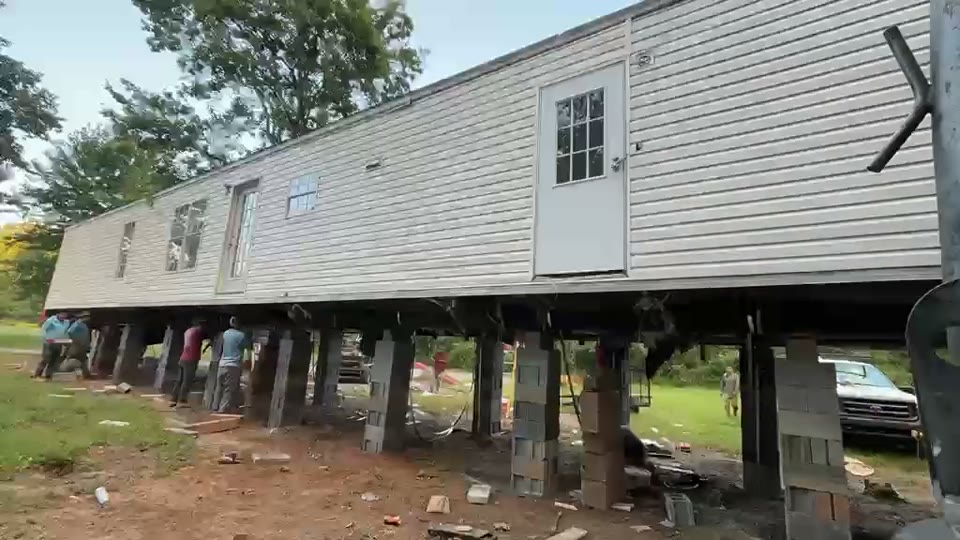
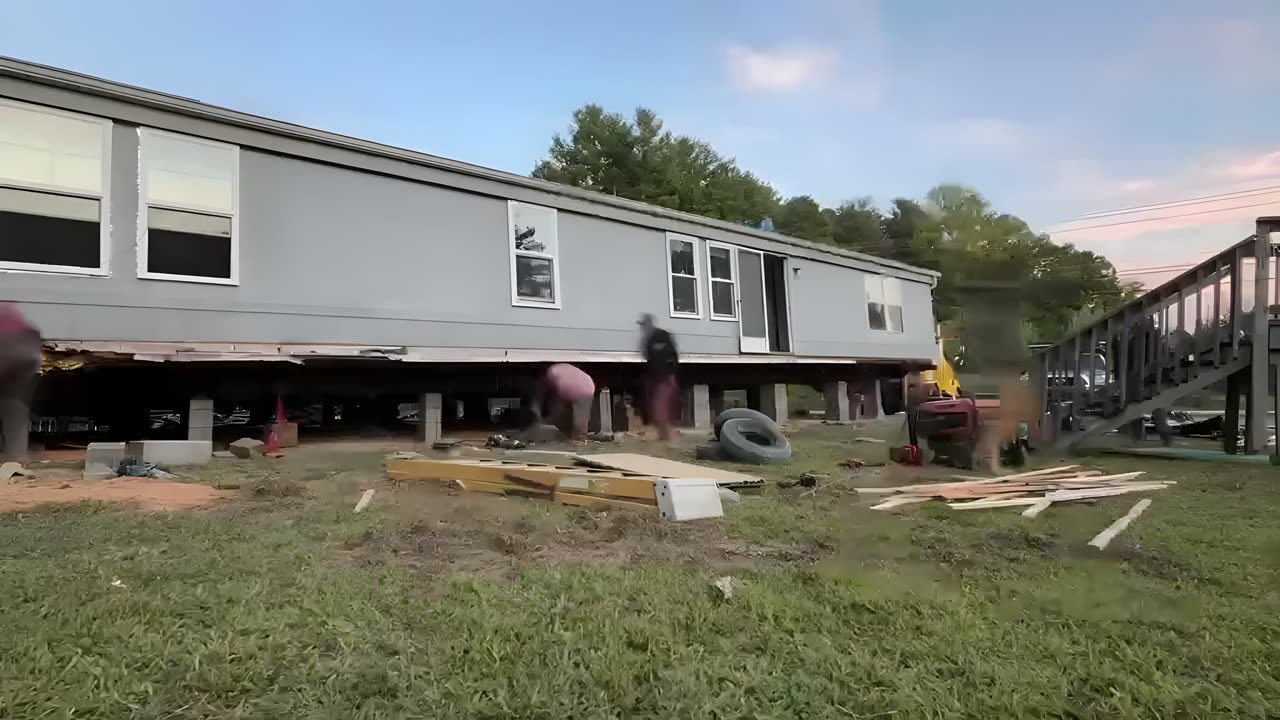
Removal stops at the home itself. What stays behind — concrete runners, masonry block piers, steel tie-down anchors, and accumulated debris in the crawl zone — is a separate scope that is cheaper to address before the crew packs up than to schedule as a follow-on job. A lot left with exposed anchor straps, standing piers, and uneven grade is not ready for a permit, a sale, or a new installation. Scrap steel and masonry go to different disposal streams, and inspectors typically want to see a clean lot before approving a new installation application.
If the plan is to place another manufactured home on the same Candler lot — a common scenario in western Buncombe County, where the land holds value and the original home has reached end of useful life — footer prep and lot grading determine whether the new installation meets current HUD and NC requirements. Mobile home foundation grading and footers covers what that prep involves and what county inspectors look for. Connecting with mobile home movers in Candler, NC before the removal permits close makes the transition from old home to new installation significantly smoother.