After the haul: what installation actually covers on a Mills River lot
Mills River spreads across the river-bottom farmland where the French Broad watershed flattens between Hendersonville and Brevard, putting it within easy transport distance of Asheville NC and the I-26 corridor. Most parcels along NC-280 and NC-191 are working agricultural tracts that have never carried a permanent structure; others are former farm properties carved into residential lots. The soil profile in the lower-lying areas runs to alluvial clay and silt — the same bottomland ground that sheds water slowly after a storm and does not always give a pier footing the bearing that gravel-and-clay ridge sites in the upper county provide. That character shapes what a proper installation looks like before a single block is placed.
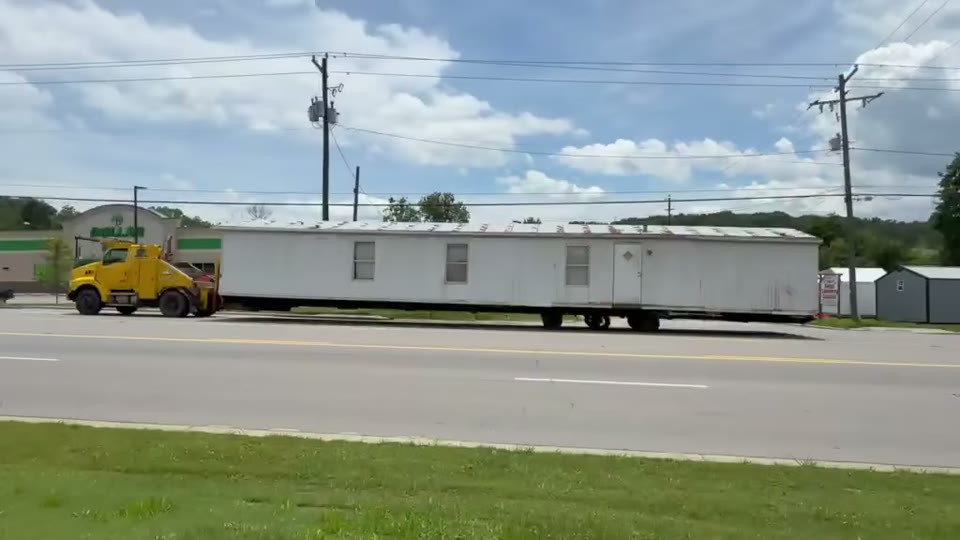
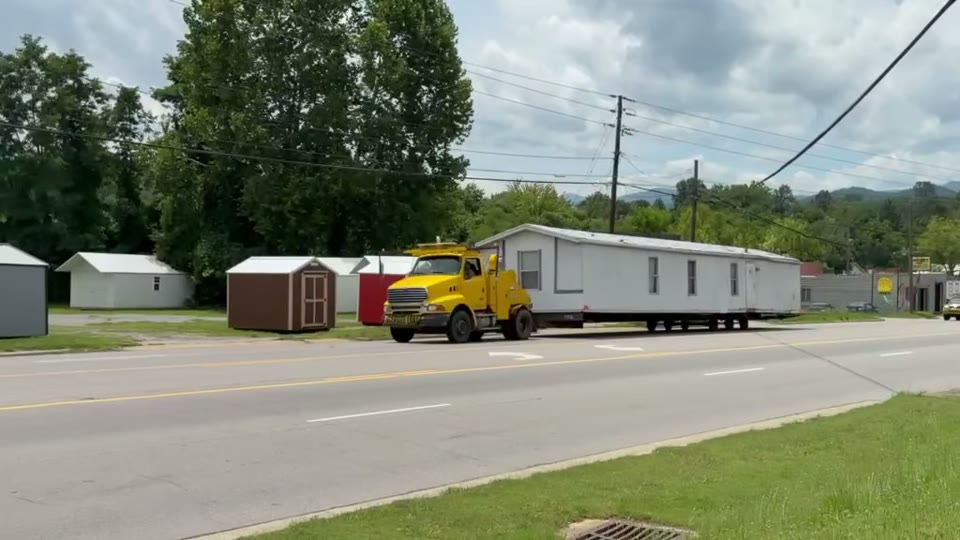
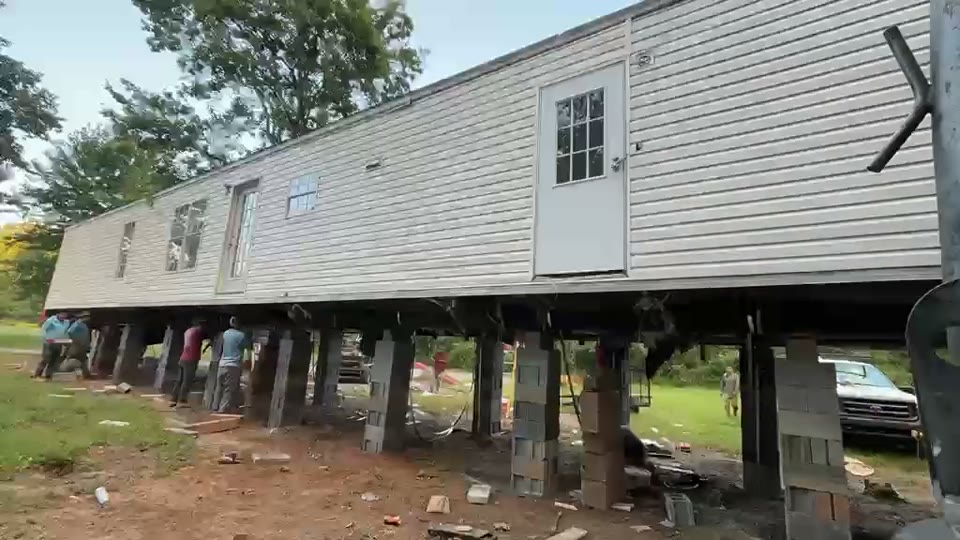
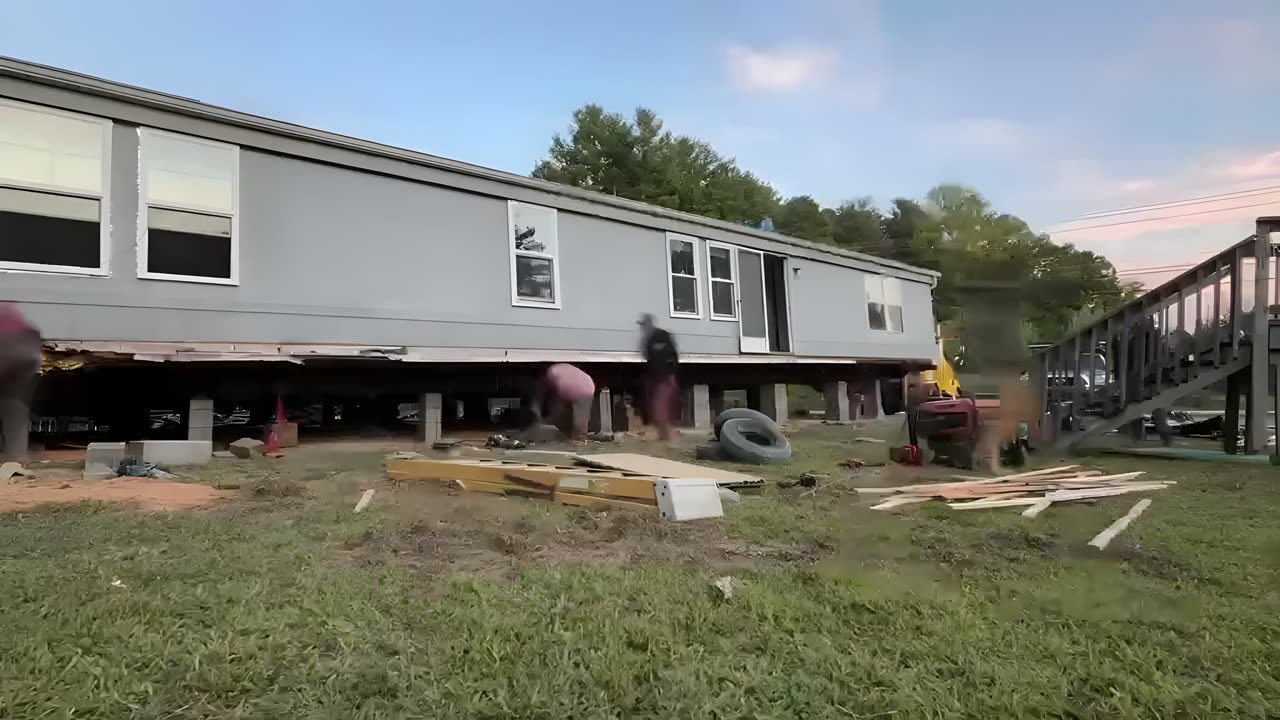
A transport crew delivers the home to the property; installation is a separate trade, a separate crew, and a separate permit from the haul itself. A standard mobile home set-up and installation in Henderson County covers pad preparation, pier and footing construction, beam and block bearing under the main frame, front-to-back and side-to-side leveling, below-grade anchor installation, above-frame strap tensioning, skirting, and utility connections at the home's stub-outs. What falls outside that scope: the transport haul, land clearing, well construction, and septic installation. Any bid that bundles those items without listing and pricing them separately is worth a careful second read before you sign.
What installation typically costs on Henderson County lots
Cost for a Mills River installation tracks site conditions more than home size. A flat, gravel-ready pad with utility stub-outs already in place lands at the low end of each range. A lot that needs the crew to dig footings into soft river-bottom soil, add piers beyond the standard layout to reach firm bearing, or work through significant grade change comes in near the top. The full NC installation cost breakdown covers line-item ranges statewide; the table below reflects what Henderson County lots typically look like.
| Scope | Typical range | What moves the price |
|---|---|---|
| Single-wide set, level prepared site | $1,500–$2,000 | Standard pier count, stub-outs in place |
| Single-wide set, soft soil or grade work needed | $2,000–$3,000 | Extra piers, footing depth, site prep |
| Double-wide set, level prepared site | $3,000–$4,500 | Mate-line work, more pier points |
| Double-wide set, challenging site | $4,500–$6,000 | Grading, soft bearing soil, extended connections |
| Vinyl skirting | $6–$12 per linear foot | Perimeter length, vent count |
| Re-leveling an existing home | See Mills River leveling guide | Settlement pattern, pier condition |
Skirting is almost always quoted separately; collect a per-linear-foot price from each crew so bids on different perimeter lengths compare fairly. Utility extension work — running a water line from the meter to the home, or an electrical service lateral — is priced per project and is not in the table above.
Henderson County's permit sequence
Henderson County processes manufactured housing permits through its building department, but the sequence starts before you call them. Required before a permit application can be submitted: a zoning compliance letter from Henderson County Planning confirming the parcel allows manufactured housing — or an equivalent letter from the Town of Mills River if the lot falls inside town limits; an Environmental Health approval for a new septic system, or a signed existing-system affidavit confirming the current system is serviceable; water and sewer tap receipts for any connection to a public utility; and the home's HUD data plate information for the application itself.
For any home moving within Henderson County — from a dealer lot or from another parcel inside the county — the County Tax Assessor's office requires a moving permit under NCGS Chapter 105, Article 18, confirming taxes on the home are current before it travels. Transport on public roads also requires an oversize-load permit from NCDOT; the current requirements and fee schedule are in Publication MH-2. Most transport crews pull the MH-2 permit themselves — confirm that at hiring.
Wind zone anchoring — what Zone I means on a Henderson County lot
Henderson County is in HUD Wind Zone I under 24 CFR 3280.305. Zone I is the lowest wind-exposure classification in the HUD framework, but it still requires a complete engineered anchoring system on every installed home. In Zone I, that means below-grade auger anchors or cast-in-place concrete footings connected to over-the-top frame straps, with spacing, angle, and load ratings drawn from the home's own installation manual. The installer must design and document the anchor layout; the county inspector reviews it against that documentation before issuing a final approval.
North Carolina licenses manufactured home installers and sets installation standards through the NC Manufactured Housing Board at the Office of State Fire Marshal. Any installer working in Henderson County must hold an active NC license and pull the permit in their own name. For homes going onto pier footings in the alluvial flats along NC-280, footing depth and bearing area need to be sized to what the soil will actually hold, not to a generic standard layout. Ask any crew you interview how they assess soft-bearing sites before placing blocks.
Storm history and why the setup decision lasts
Henderson County carries 16 federal disaster declarations over 1978-2026. The county's recent events include a Winter Storm in 2026, a Tropical Storm in 2024, a Hurricane in 2023, and back-to-back hurricanes in 2020 and 2019. The pattern places Henderson County on the western edge of Atlantic hurricane tracks, where mountain terrain concentrates rainfall and river valleys channel runoff faster than open flatland. A Zone I home anchored to spec handles those events the way the HUD standard intends. One set with under-tensioned straps or footings placed in fill that was never properly probed does not.
Site drainage carries the same long-term stakes. River-bottom parcels around Mills River shed water slowly after heavy rainfall; a home that settles below pad grade over its first few winters starts collecting the runoff that gradually undermines footing soil. Grading the pad with a positive crown on installation day is part of the same anchoring logic, not a landscaping afterthought. For a home that has already drifted out of level over time, the Mills River leveling guide covers what a re-leveling scope and cost looks like.
Working with a licensed installer in this market
North Carolina requires a state license for any person or firm that installs a manufactured home, and the NC Manufactured Housing Board maintains a public license lookup. Verify any installer's active license before signing a contract. Ask specifically whether they have pulled permits in Henderson County before; county building staff know which crews move through inspections cleanly and which ones carry a history of re-inspection requests.
Two questions worth asking every crew before you hire: how do they evaluate soil bearing before placing pier blocks on a low-lying lot, and what is their process when a home fails a level check after the first attempt. The answers separate installers who follow an honest sequence from those who treat callback leveling as a normal cost of doing business. A proper installation on a well-prepared Henderson County site should not require a return visit before the permit is closed.