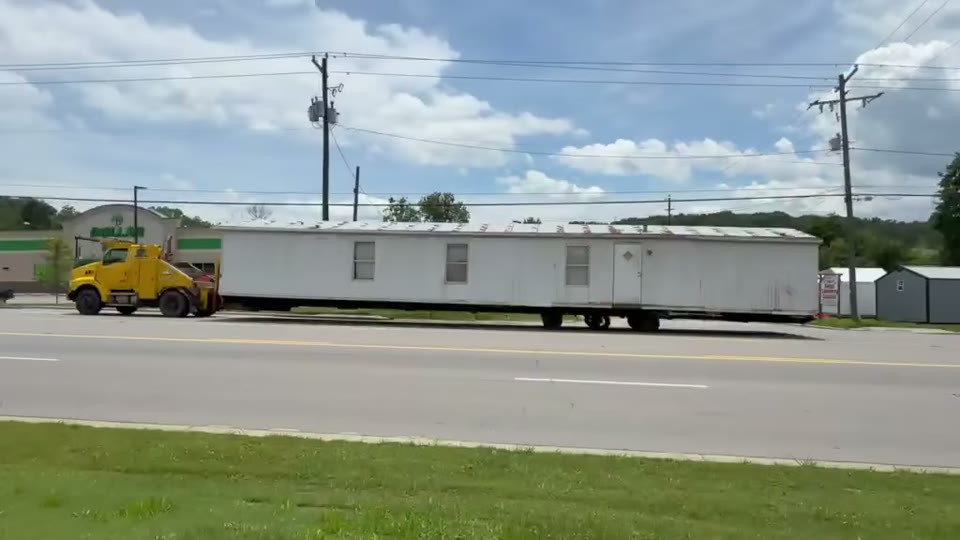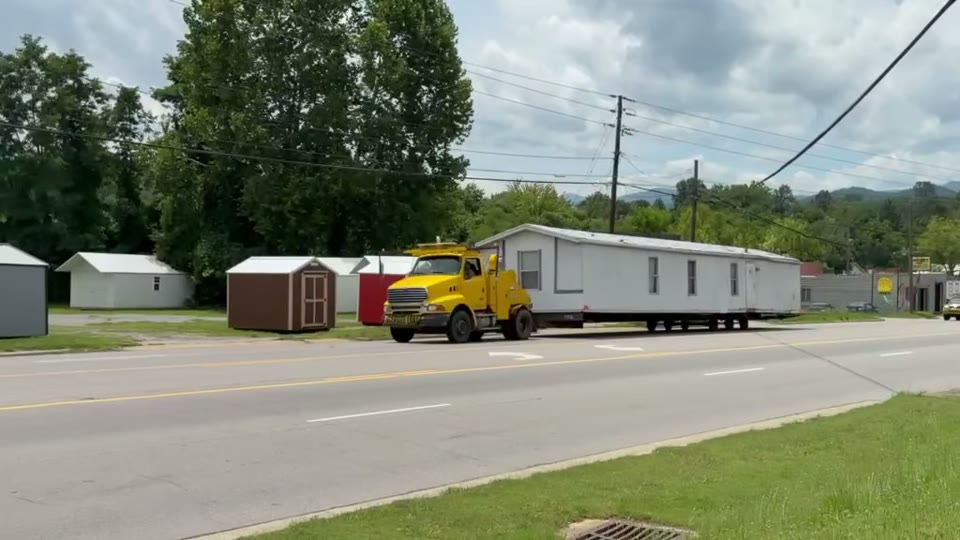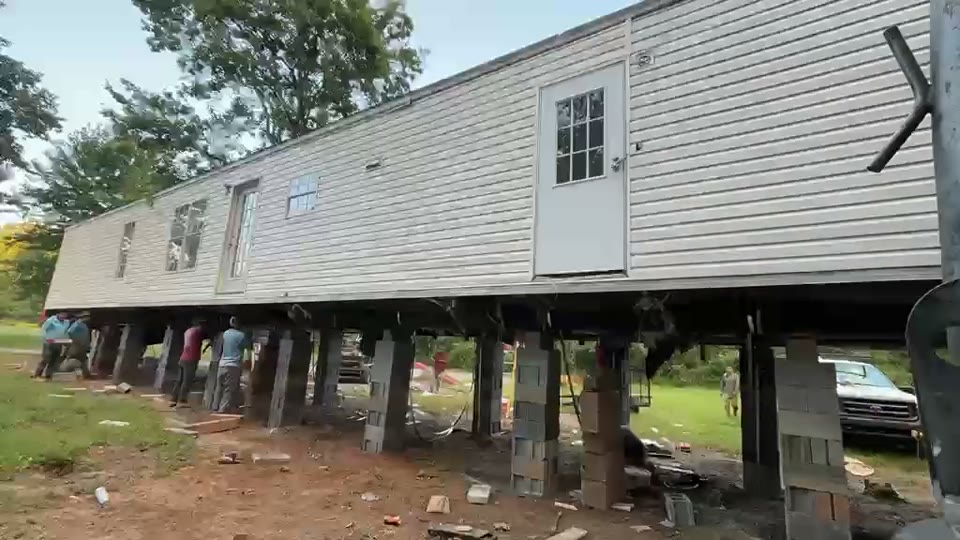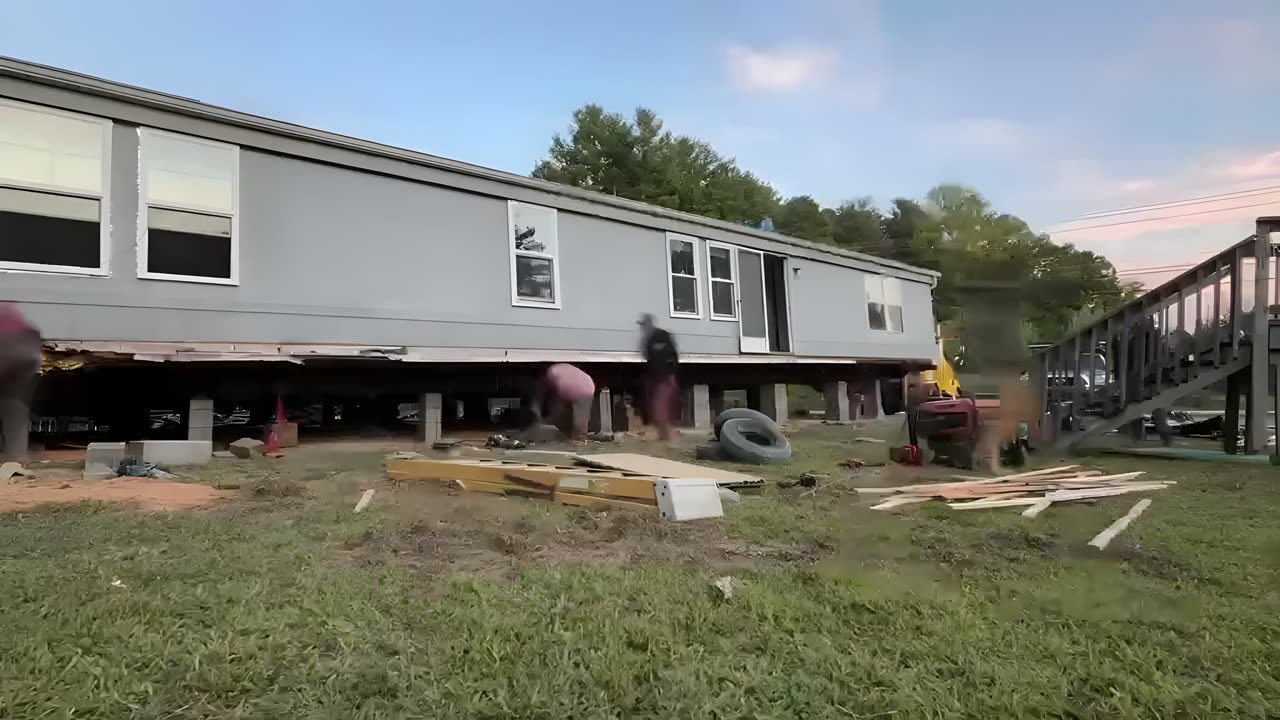
Henderson County clay and homes that sit empty between seasons
Hendersonville sits on a wide, flat stretch of the French Broad watershed, and much of Henderson County's manufactured housing stock is planted on valley-floor lots where the subsoil is deep clay. Clay expands when it absorbs water and contracts as it dries, so a home that was perfectly level at installation can be measurably off within a few seasonal cycles — often without the owner noticing a thing underfoot. That's not a sign of shoddy setup work; it's what clay lots do over time.
Western North Carolina receives substantial annual rainfall, and valley-floor properties in Henderson County drain more slowly than ridge or hillside sites. Extended wet periods amplify the clay's movement cycle, and homes on lots with poor surface drainage can shift more per year than comparable homes even a few miles uphill. Drainage around the pier pads matters as much as the piers themselves — a re-level job that ignores standing water near the support system tends to repeat itself within a few seasons.
The second factor is the county's significant share of part-year homes. Seasonal and second-home owners leave their units vacant for months at a stretch. A slow settling problem that would announce itself quickly in a full-time residence — a sticking door, a gap at the wall panel — can go unnoticed for an entire winter. By the time the owner returns, the frame may have racked enough that a re-leveling alone is only part of what the home needs.
What re-leveling costs in Henderson County
The table below shows typical market ranges for common scope combinations around Hendersonville. A job that involves only jacking and resetting existing hardware in good condition lands at the low end of each range. One where the crew finds failed pads, corroded piers, or anchors that need replacement moves to the higher tier. That gap — between a standard re-level and a pier replacement job — is Henderson County's main price inflection point, and it can only be confirmed once someone has been under the home.
| Scope | Typical range |
|---|---|
| Re-level, single-wide — existing piers and pads in good condition | $400 – $1,200 |
| Re-level, double-wide — existing piers and pads in good condition | $700 – $2,000 |
| Re-level with pier or pad replacement — either width | $2,500 – $5,000 |
These are market ranges, not quotes. The only number that means anything for your home comes after a qualified contractor has assessed the support system in person. For a full line-item breakdown by scope driver, see the NC mobile home leveling cost guide.
How to tell the home has moved
Manufactured homes telegraph out-of-level in predictable ways. Doors are usually the first place owners notice: a door that used to close cleanly but now binds at the top corner, or a latch that no longer lines up on the first try, means the frame has racked. Floor slope is the second sign — walk the full length of the home and notice whether your weight shifts to one side. On a 70-foot double-wide, even half an inch of difference end to end is perceptible once you are paying attention.
The timing of symptoms adds a diagnostic clue specific to Henderson County clay. If binding and tilt are worse after wet weather and ease in dry months, soil movement is the driver. Movement that only grows regardless of season points to piers or pads that are no longer carrying the load. Both problems need attention, but they call for different work — soil-driven settling calls for a re-level paired with drainage corrections, structural failure calls for hardware replacement. The leveling cost guide covers how those two paths differ in price and scope.
Other signals worth noting: gaps that open between wall paneling and floor trim, appliances that rock on a hard floor, a washing machine that vibrates harder than usual during spin, and windows that stick in their tracks after a stretch of wet weather.
What a re-leveling job actually includes
Re-leveling a manufactured home means crawling the underside with measuring tools, mapping where the frame has dropped, and using hydraulic jacks to bring it back within tolerance. Once the frame is true, the crew resets the support system — concrete footer pads, steel piers, and adjustment blocks — and inspects every tie-down anchor. Henderson County homes fall under HUD Wind Zone I (24 CFR 3280.305), and every anchor in the system must meet that zone's rating. If the crew finds corroded anchors or spots where they were never fully installed, replacement is part of a complete job, not an optional extra. The setup and installation guide covers what a fully compliant install requires from footer pads to roof straps.
North Carolina regulates contractors who work on manufactured housing through the NC Manufactured Housing Board under the Office of State Fire Marshal. Before any crew goes under your home, ask for the license number and confirm it is active — it takes two minutes and it is the most important credential check on this type of job. Federal installation standards, including pier spacing, pad sizing, and anchor specifications, are set by the HUD Office of Manufactured Housing Programs and form the baseline every licensed NC contractor is required to follow.
Storm history and what to ask before the crew arrives
Henderson County's federal disaster record is relevant context for anyone wondering whether a level check is overdue. The county has 16 federally declared incidents on record across 1978-2026, including a Winter Storm in 2026, a Tropical Storm in 2024, and Hurricanes in 2023, 2020, and 2019. Each of those events saturated valley-floor clay and pushed water at support systems across the county. An owner who has not had a level check since 2023 may have years of undetected movement underfoot. The National Weather Service's manufactured home guidance underscores why proper anchor installation matters beyond a level floor — high-wind events pose a specific structural risk for homes whose tie-down systems were never fully completed or have degraded over time.
Three questions worth putting to any crew before work starts: whether they have specific experience on clay-lot sites rather than ridge or slope properties only, how they document tie-down compliance before and after the level, and whether your scope triggers a permit requirement under Henderson County rules. If the home was transported to its current site, ask for the original move permit under NCDOT's MH-2 permit process — that record shows what was inspected at original setup and can surface deferred items the current owner may not know about.