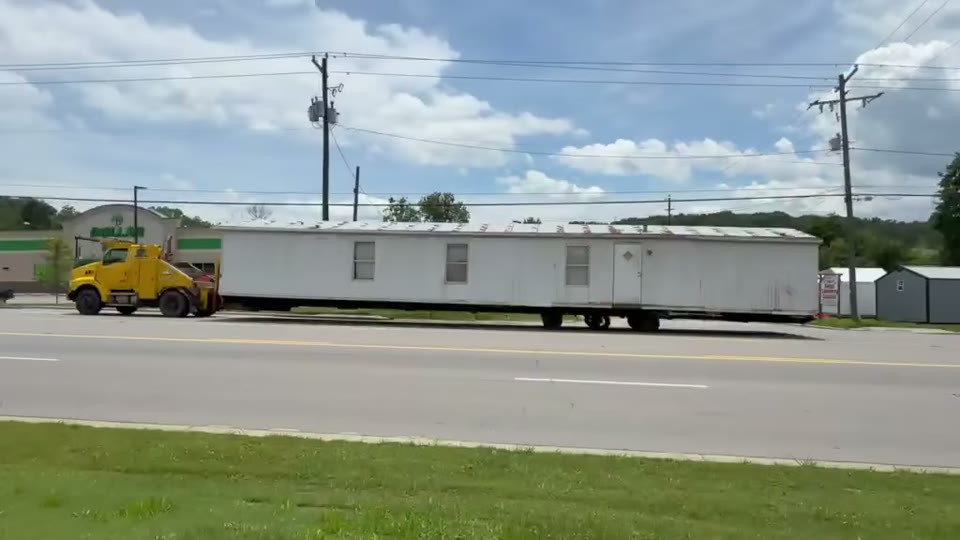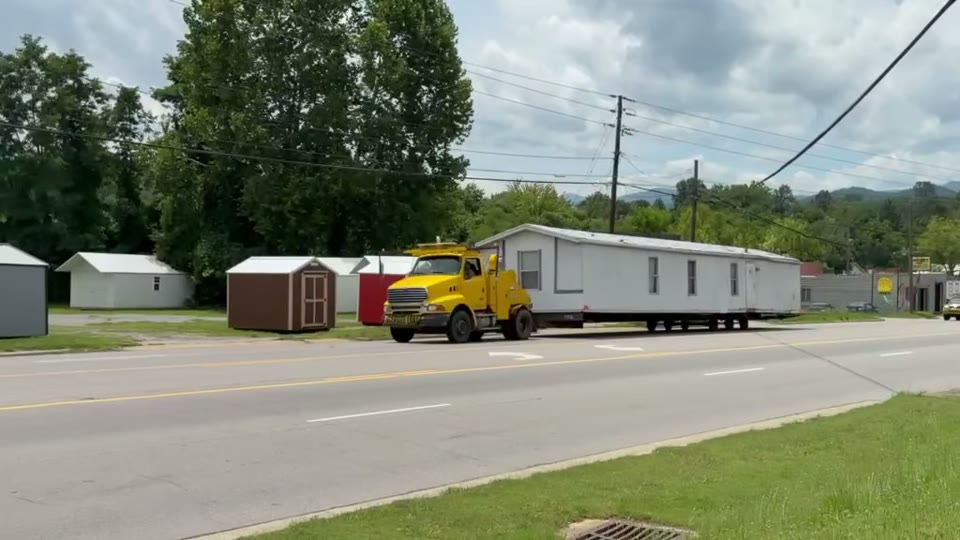
What a Haywood County move actually costs
Waynesville sits inside a bowl of ridgelines — the Plott Balsams to the south, the Newfound range to the north — and that geography works against every wide-load move before the truck leaves the lot. National averages treat all moves as roughly equal. Haywood County moves are not. Tight park exits, narrow secondary roads connecting communities like Clyde, Iron Duff, and Jonathan Creek, and the coordination that steep-grade routing demands all land on the final invoice.
| Scope of work | Typical Haywood County range | What drives it |
|---|---|---|
| Single-wide, in-county move | $3,000 – $5,500 | park exit access, road width, grade |
| Single-wide, 50+ miles | $5,000 – $8,000 | mileage, pilot car, route complexity |
| Double-wide, local or regional | $7,000 – $15,000 | two-section permitting, mountain routing |
| NCDOT oversize permit (MH-2) | $75 – $300 | single-trip vs. annual, route length |
| NC tax-paid moving permit | ~$60 | required statewide before any move |
Those ranges are transport only — they do not include site teardown at the origin, blocking and leveling at the destination, or utility reconnection. A quote that folds everything together can look cleaner but makes comparison harder. Ask each bidder to separate the transport line from the installation line so you are comparing the same scope.
A contractor who names a firm all-in number before visiting the origin lot and plotting the NCDOT route is working from assumptions, not from your actual site. Terrain in this county is varied enough that the difference between a straightforward move and a difficult one is visible before the permit is filed. If the mover is not looking, ask why.
How mountain routing shapes the price here
Most of Haywood County moves in and out on US-19, US-23, US-74, or the two-lanes that branch from them into interior communities. Moving a 14-foot-wide double-wide out of a park whose only exit is a 90-degree turn onto one of those roads does not price like a Piedmont move on flat four-lane surface streets. Extra repositioning time, coordination with NCDOT for wide-load passage through mountain segments, and the pilot car requirements that come with certain route profiles all add to the labor and logistics cost well before mileage enters the equation.
The county's storm history compounds the access problem. Haywood County has seen 19 federally declared disaster events (1973-2026), the majority tied to storms — including Hurricanes in 2020, 2021, and 2023, and a Tropical Storm in 2024. Road-surface conditions and park access in lower-elevation sites along the Pigeon River corridor have been compromised after past events. Contractors who work this market regularly price in the reality that site access varies, and that scheduling around weather windows is not optional on mountain moves. The Winter Storm declaration in 2026 underscores how quickly conditions shift in this county.
Distance and access together are the two biggest cost variables after home size. A 15-mile in-county move with a clean exit and a state highway the whole way prices differently from a 12-mile move that requires threading a 70-foot load through a park loop before reaching any paved road. Ask the mover which specific roads they intend to use, not just how far they are going.
What state law requires before the truck rolls
Moving a manufactured home in North Carolina runs through two separate permit requirements, and both are mandatory before the home leaves its current address.
The first is the NCDOT oversize and overweight permit. Manufactured homes — single-wide or double-wide — exceed standard lane width and require a state-issued permit for travel on North Carolina roads. NCDOT Publication MH-2 governs mobile and modular home permitting specifically, covering single-trip permits, annual permits, and the pilot car and travel-time requirements that apply to certain move profiles. Route approval happens before the move date — a contractor who says "we handle permits" but cannot name the route they filed for deserves a follow-up question.
The second is the tax-paid moving permit under NCGS Chapter 105, Article 18. Before a manufactured home can legally move, property taxes on the unit must be paid current and the county tax office must issue a moving permit. In Haywood County, that means clearing any outstanding balance before your scheduled move date — a last-minute tax issue can push the timeline and may affect the mover's schedule downstream.
On the installation side, manufactured housing contractors in North Carolina are licensed through the NC Manufactured Housing Board, operating under the NC Office of State Fire Marshal. Verify that anyone you hire to move, block, and tie down the home holds a current board license. The board's site lets you check license status directly — do it before signing anything.
Wind zone, anchoring, and what installation adds
Haywood County is classified as HUD Wind Zone I under 24 CFR 3280.305. That designation sets the minimum structural design loads for manufactured homes and defines the anchor and tie-down standard your setup contractor must meet when siting the home. Zone I is the least severe of HUD's three wind zones nationally, but the county's recent storm record — three hurricane declarations in four years (2020, 2021, 2023) and a Tropical Storm in 2024 — makes clear that meeting the minimum is a floor, not a target. For a home placed on an exposed ridgeline or in a low-lying site with documented storm history, a conversation about exceeding the minimum anchor standard is worth having with your installer before work starts.
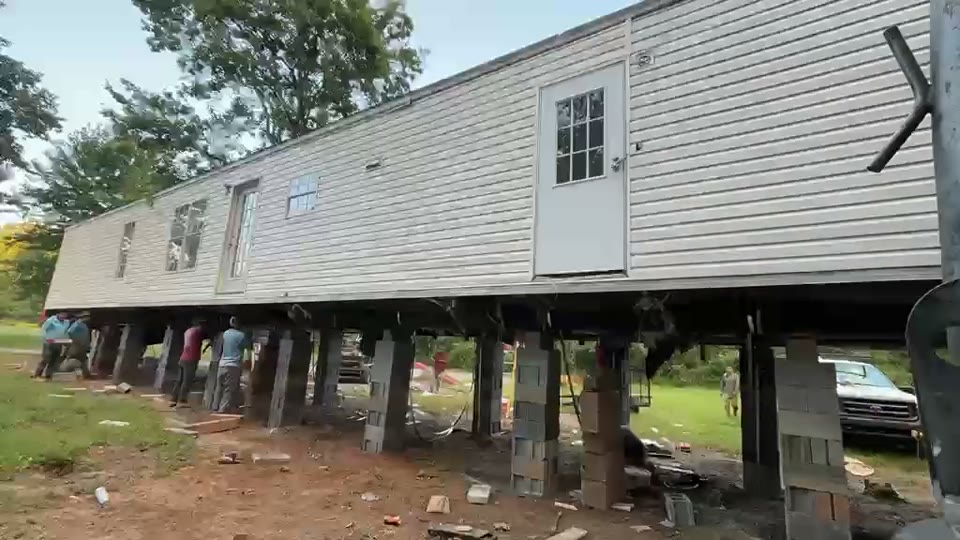
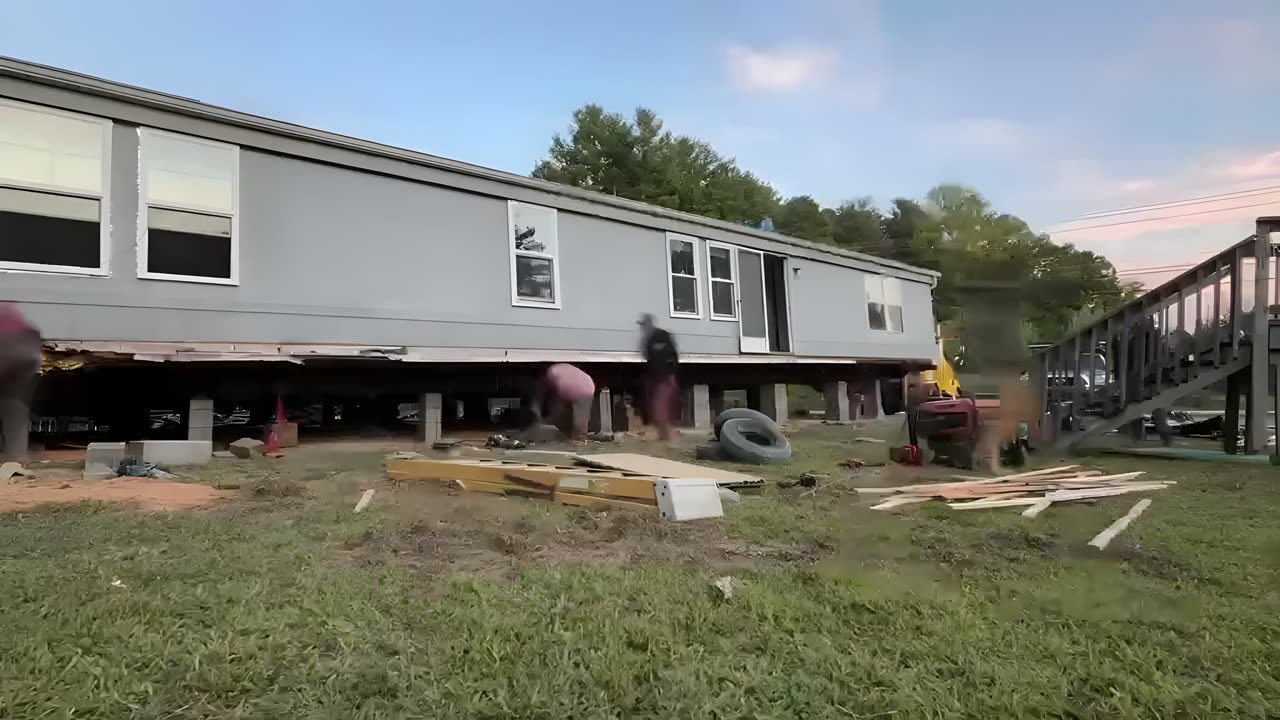
A transport-only quote does not cover what happens at either end of the move. Disconnecting utilities, removing and protecting skirting, and loading hardware at the origin are billable separately. At the destination, blocking and leveling, installing the permanent anchoring system to the HUD Zone I standard, and reconnecting utilities are also typically outside the transport line. For a full breakdown of what setup involves on a Waynesville lot — site prep, foundation options, and utility connection — see our Waynesville mobile home installation guide.
The combined cost of a full move — transport, teardown, and complete setup — varies widely by site conditions and foundation type. Asking each bidder to line-item the estimate by phase is the clearest way to compare what you are actually buying.
What to ask before you sign a move contract
Three questions consistently separate well-priced Haywood County moves from ones that generate change orders:
- Have you pulled the NCDOT route yet? A mover who has not pre-cleared the route has not done the job. Mountain segment approvals and pilot car requirements on certain Haywood routes require NCDOT coordination before the move date. Hearing "we file it day-of" is a flag worth pressing on.
- Is this price transport only, or does it include teardown and setup? The table above shows transport-only ranges. If the bid in your hand includes teardown and installation, ask the contractor to break out what each phase costs — then compare the transport line against the range for your home size and distance.
- How many moves have you completed in this county? Route knowledge matters here in ways it does not on a flatland job. A contractor who has run loads through the Pigeon River bottoms, out of parks near Clyde, and up secondary roads toward Lake Junaluska knows where the problems are before the permit is filed. That experience is worth paying for, especially on a double-wide.
For a full comparison of what moves cost across the state, the statewide mobile home moving cost guide shows where Haywood County fits in the broader range. When you are ready to contact local operators, our Waynesville mobile home movers page is the right next step.