Two paths off the same Weaverville lot
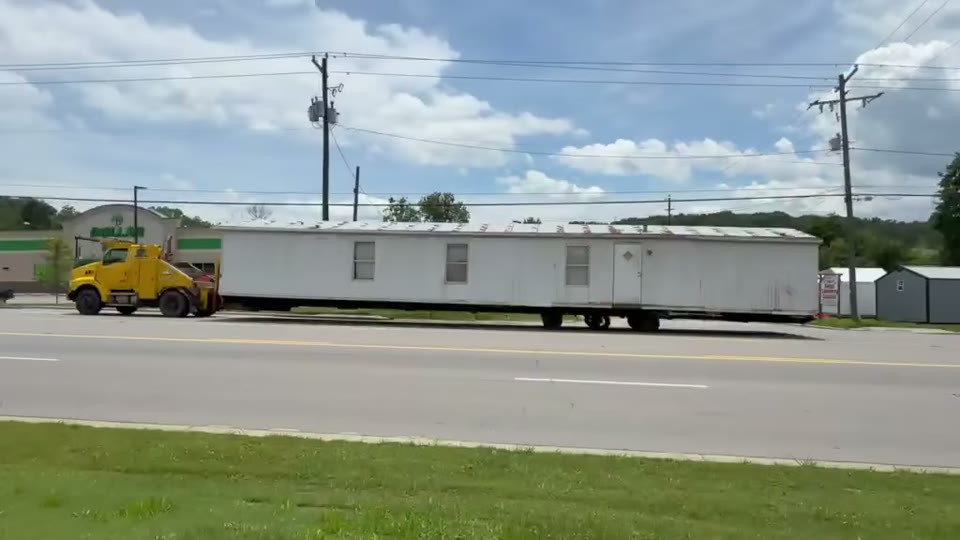
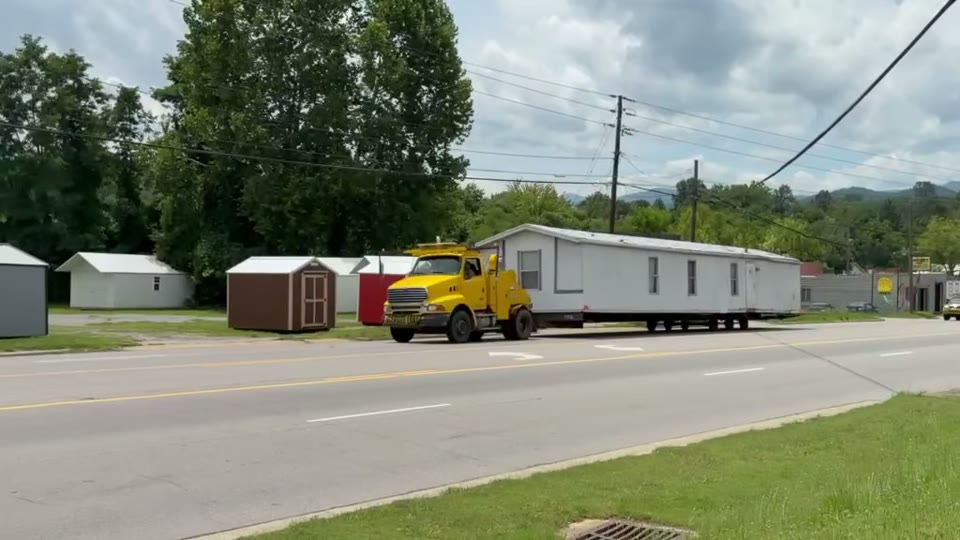
The manufactured homes that line the flat creek-bottom parcels along Reems Creek, the hillside lots off US-25 toward Marshall, and the older subdivisions ringing Weaverville proper have been sitting long enough that clearing one is rarely a simple swap. The removal decision forks early. If the home is structurally intact, has a steel chassis that can accept axle hardware, and can meet the road dimensions required under NCDOT Publication MH-2 for oversize transport, relocation may cost less than teardown and leave something of resale value behind. That path runs through mobile home movers in Weaverville NC.
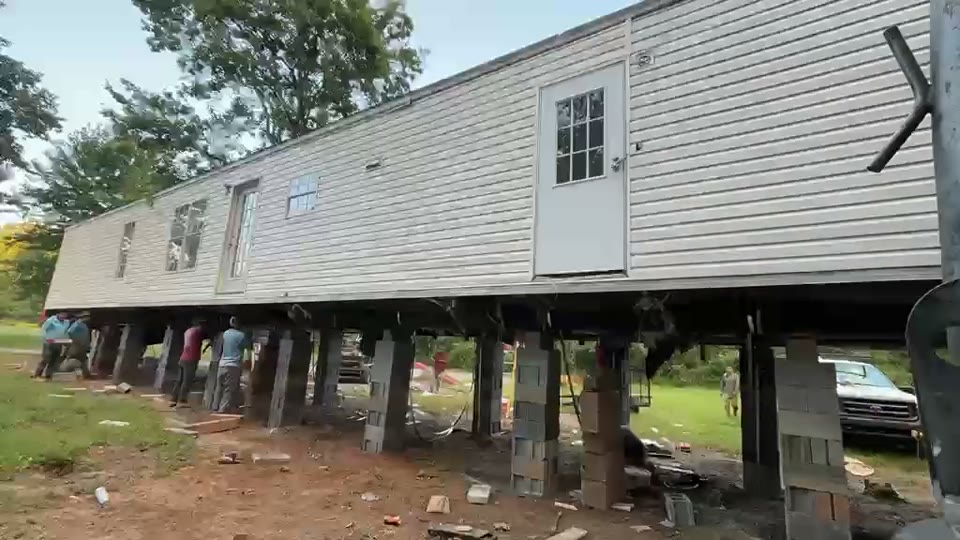
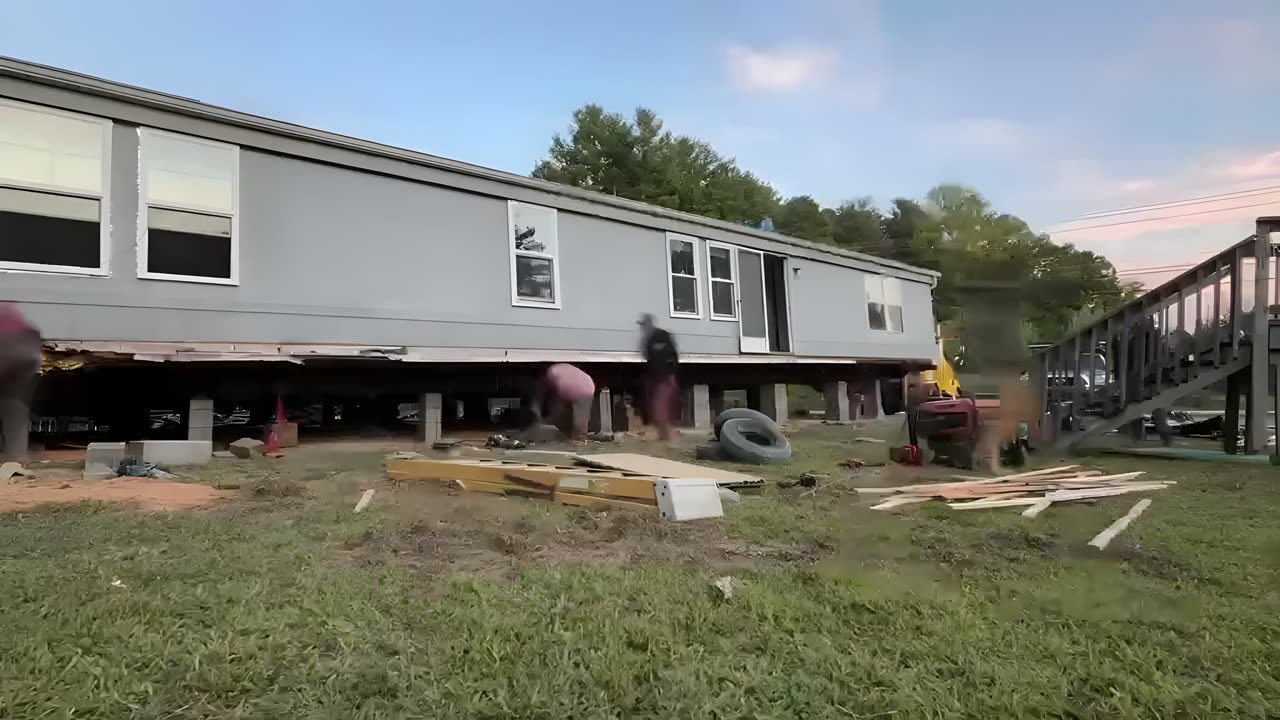
A home with a damaged frame, significant floor-system rot, or removal logistics that erase any remaining market value goes the other direction: an on-site teardown, sorted for scrap and landfill, documented for any regulated materials, and cleared to grade. That work is covered at mobile home demolition and removal. Either route ends in the same place — a graded pad, capped utility stubs, and cleared ground ready for whatever goes back on the lot. The home's condition picks the fork, not a preference.
What removal costs on Buncombe County terrain
Northern Buncombe County terrain shapes removal pricing in ways that flatland quotes never reflect: steep access grades that require equipment staging, older homes on unlevel block-and-runner setups, and underground utility connections that need excavation before they can be capped cleanly. The ranges below represent typical market costs around Weaverville; actual pricing depends on site access, home condition, disposal fees, and crew scheduling at the time of the job.
| Scope | Typical range |
|---|---|
| Single-wide haul-out (intact, roadworthy frame) | $3,000 – $5,500 |
| Single-wide full demo and haul | $3,500 – $7,000 |
| Double-wide haul-out (intact, roadworthy frame) | $6,000 – $10,000 |
| Double-wide full demo and haul | $8,000 – $15,000 |
| Lot grading and pad prep (separate contract) | $1,500 – $4,500 |
One line item that often goes unquoted until it cannot be avoided: pre-demolition asbestos inspection. Under EPA regulations, homes with potentially asbestos-containing materials — most commonly those built before 1978, which includes a large share of Weaverville's older stock — must be inspected before any demolition begins, and any regulated materials handled by a licensed abatement contractor. A job that skips that step and discovers the problem mid-teardown gets expensive fast.
Permits, title, and utility disconnects
In unincorporated Buncombe County, the permit for moving or demolishing a manufactured home goes through Buncombe County Permits and Inspections at 35 Woodfin St. in Asheville NC. If the property sits inside Asheville city limits or Black Mountain town limits, those municipalities run their own permit counters. A removal permit is required in all cases, and utility disconnection documentation — a utility letter, meter receipt, MSD approval, or county well and septic authorization — goes into the application before work can be permitted.
Two paper items travel with every removal. The first is the removal permit itself. The second, and the one most owners overlook until it stalls the next transaction, is the tax-paid moving permit under NCGS Chapter 105, Article 18: it confirms that property taxes on the manufactured home are current and releases the title from county records once the home leaves. Without it, the title stays attached to the land and will surface as a lien at the next sale, refinance, or new construction permit.
On the contractor side, movers who transport manufactured homes must hold the appropriate license under standards set by the NC Manufactured Housing Board, administered by the NC Office of State Fire Marshal. Verifying that license before hiring for the transport side of a removal is basic due diligence — not a formality.
Storm history and what it means for older homes here
Buncombe County has recorded 19 federally declared disasters over 1973-2026. The recent stretch is heavy: a Winter Storm in 2026, a Tropical Storm in 2024, and hurricanes in 2023, 2021, and 2020. Mountain-valley lots near creek corridors — exactly the terrain where Weaverville's manufactured housing concentrates — absorbed repeated wind and flood loading across those events. That kind of exposure does not always show up as a cracked wall or a buckled floor; it accumulates in chassis welds, pier blocks, and anchor hardware that looks intact until a contractor pulls on it.
HUD Wind Zone I applies to Buncombe County under 24 CFR 3280.305. A home originally installed to that standard was engineered for the region's wind loads, but repeated storm stress ages the anchoring system faster than the calendar suggests. Before any crew commits to a haul-out scope, the assessment should cover the steel chassis for corrosion, the floor system for moisture infiltration, and the anchor strap condition from one end to the other. A home that left the factory in Zone I compliance is not guaranteed to still be there after five major storm events on a low-lying lot.
The pad you leave behind
The removal permit closes when the home is gone and the lot is clear — but the next structure on that lot brings its own demands. If the previous setup used a continuous perimeter footer, a slab, or a pier-and-beam configuration, that foundation work needs to be assessed and in most cases removed or substantially modified before new footers can go in. The grading, compaction, drainage slope, and foundation-type choices involved are covered at mobile home foundation grading and footers.
Utility stubs need to be properly capped at the point of disconnection and marked clearly for the next contractor. A demolished home generates a mix of recyclable and non-recyclable material: steel chassis and aluminum framing have scrap value; non-recyclable demolition waste goes to the county landfill; regulated materials require documented disposal per EPA rules. Keeping records of where materials were taken is good practice in all cases and, for regulated materials, a legal requirement. Leaving a lot that the next crew can actually work from — no unmarked stubs, no buried debris, no unresolved title — is the job.