From the Piedmont to a Haywood County cove: what a long-haul move involves
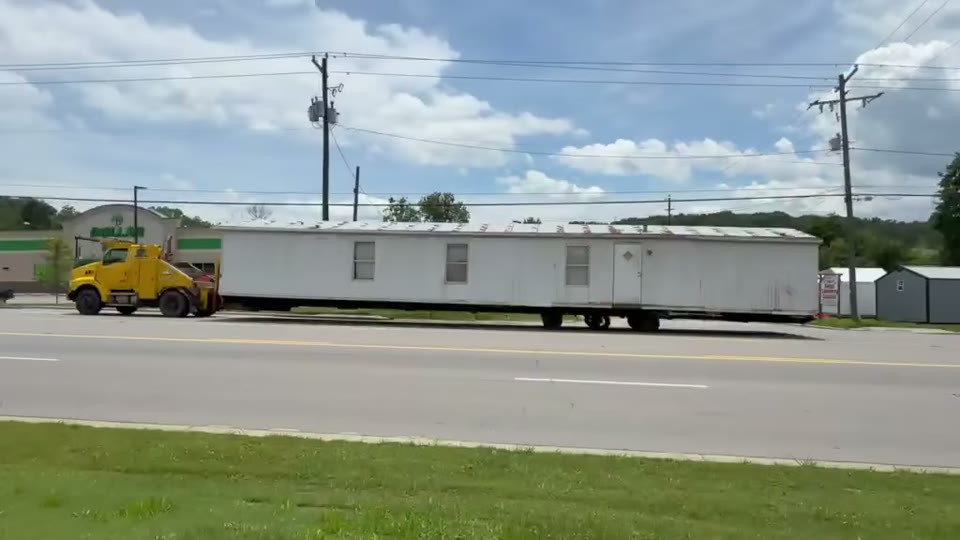
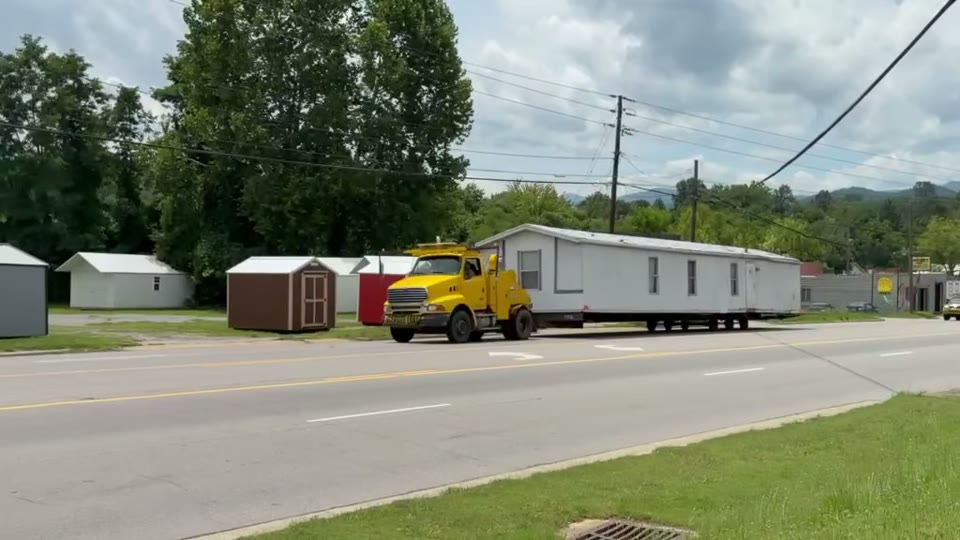
A double-wide hauled from Mooresville to a lot outside Waynesville is a real project — not an unusual one for this part of the state, but one that takes more planning than most people expect. The run covers roughly 150 miles: east to west on I-40, a drop onto US-23/74 west of Asheville NC, and then whatever road leads into the Haywood County cove or ridge parcel where the home will stand. Each leg raises its own questions: NCDOT oversize permits, a pilot car requirement once the load leaves the interstate, and the genuine question of whether the final approach road can handle a 28-foot-wide structure around its tightest switchbacks.
Haywood County's terrain is what makes moves here different from the flatland version. Waynesville sits at roughly 2,600 feet in a valley ringed by steep ridges, and a large share of residential parcels run up into narrow mountain coves where paved roads thin out quickly. Whether a given lot is reachable by a loaded transport truck has to be determined before move day, not on it. A site survey by someone who has run loads on Haywood County's secondary roads is the first step for any move that ends off a main route.
Moves that stay within the county face shorter mileage but the same terrain reality. For context on how conditions vary across the region, the Western NC mobile home moving overview covers what changes from one mountain county to the next.
What mobile home moves typically cost in this area
Transport cost is what most initial quotes cover. Setup labor, blocking, leveling, and tie-down installation are separate line items in almost every contract. The table below shows typical market ranges for moves in and around Haywood County; terrain, route length, and site conditions push individual jobs toward the top of each band.
| Move scope | Typical range (transport only) | Main cost driver |
|---|---|---|
| Single-wide, within Haywood County | $3,000–$5,500 | Site access, road condition |
| Single-wide, long haul (100+ miles) | $5,000–$8,000 | Mileage, permit count, pilot car |
| Double-wide, within Haywood County | $7,000–$10,500 | Section separation, cove clearances |
| Double-wide, long haul (Piedmont to Waynesville) | $10,000–$15,000 | Miles, multi-county permits, crew days |
| Blocking and leveling (add-on) | $800–$2,500 | Foundation type, slope correction |
| Tie-down and anchor installation (add-on) | $600–$1,800 | Unit size, anchor count required |
For long-haul jobs: a double-wide from the Piedmont to a Haywood County lot is a multi-day project with two NCDOT permit legs and a likely crew overnight between origin and the Pigeon River corridor approach. Budget toward the top of the range if final-mile access requires additional rigging. Setup and installation are their own scope; the installation and setup page details what a complete job involves once the home is on your lot.
NCDOT permits and the US-23/74 approach to Waynesville
Every manufactured home moved on a North Carolina public road requires an oversize/overweight permit from NCDOT before the truck can move. The agency's Publication MH-2 governs the specifics: which routes require pilot cars, what time windows apply for wide loads, and how the permit application has to reflect the actual planned route. Filing for a general direction and routing differently on the day is not how this process works.
For moves coming in from the east, US-23/74 through the Pigeon River gorge is the standard approach into Waynesville and western Haywood County. It is a mountain highway with grade changes and curve radii that affect what a loaded double-wide can safely negotiate. A mover who runs loads through that specific corridor regularly knows which sections require advance coordination and which are straightforward; ask that question directly before the contract is signed.
Secondary roads in Haywood County add another tier of planning. Many residential parcels sit at the end of roads that are narrow, have gravel stretches, or cross bridges with posted weight limits. A site assessment before move day — not after the truck arrives — is the way to find those constraints while there is still time to route around them.
Wind Zone I, the storm record, and what anchoring requires in Haywood County
Every manufactured home installed on a new site in North Carolina must be anchored to federal HUD standards. Haywood County is in HUD Wind Zone I (24 CFR 3280.305), the baseline federal classification. That designation still carries specific anchor count, spacing, and connection requirements — Wind Zone I is the floor of compliance, not an exemption from tie-downs.
Haywood County's federal disaster record puts those requirements in plain context. The county has seen 19 federal declarations spanning 1973-2026, including a Winter Storm (2026), a Tropical Storm (2024), and Hurricanes in 2023, 2021, and 2020. High-wind and water events have reached properties at Waynesville's elevation repeatedly. The National Weather Service mobile home guidance on severe weather is direct about the risk to underanchored manufactured homes and is worth reading before finalizing any anchor plan.
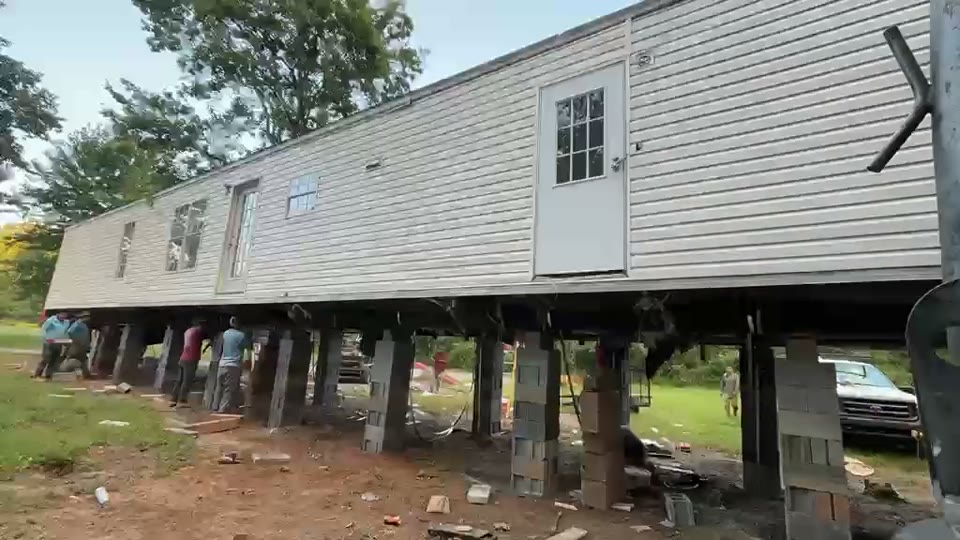
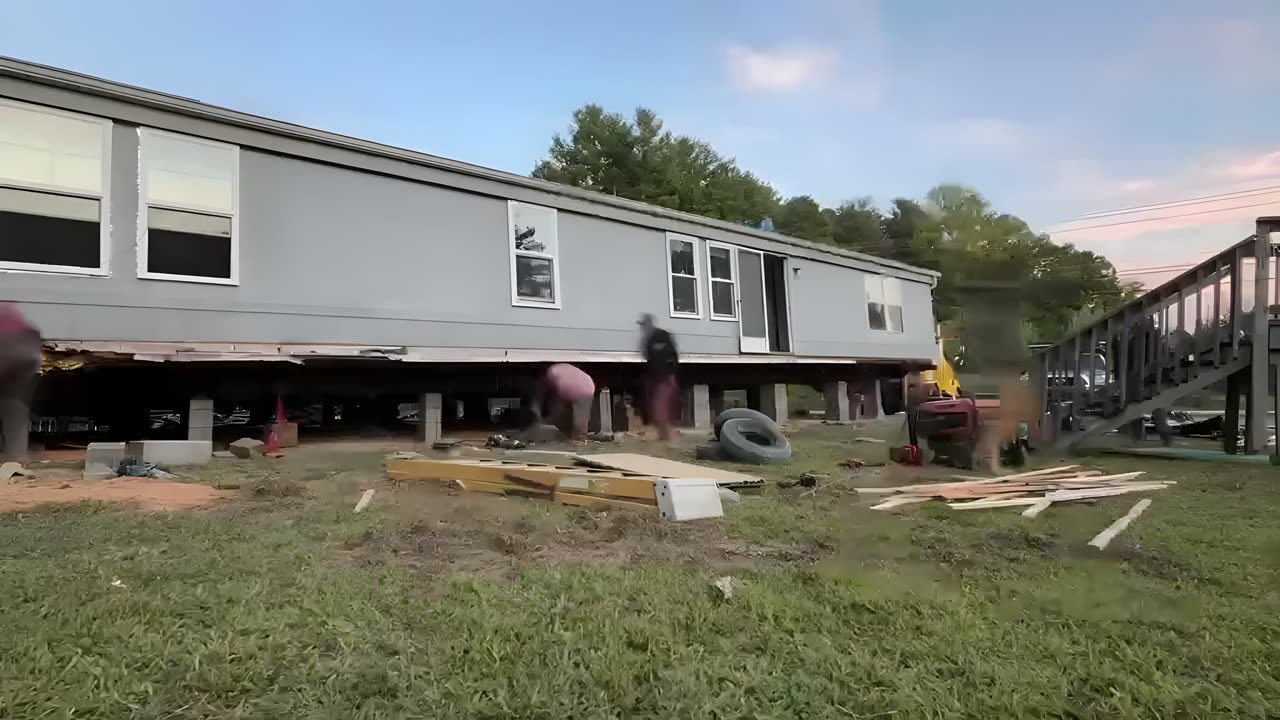
If the home has been on its current site for several years, a pre-move leveling check is worth scheduling before transport. Chassis rails that have settled affect both how a home travels and how it sets on the new foundation. The re-leveling assessment page explains what that inspection covers and when it matters most.
What to verify before hiring a mover in Haywood County
North Carolina requires that contractors who move, set, and install manufactured homes hold a current license through the NC Manufactured Housing Board, administered by the NC Office of State Fire Marshal. Any mover operating in the state for compensation should produce a license number on request; for a project combining transport, setup, and anchoring, that license covers the full scope.
Three questions worth asking before signing a contract in this market: Has the crew moved loads through the Pigeon River gorge and onto Haywood County secondary roads, not just in western NC generally? Do they conduct a pre-move site survey to confirm road access to your lot? And do they handle the NCDOT permit, or does that fall to you?
Those questions separate contractors who work this terrain regularly from those trained on flat piedmont lots. For moves that cross county lines or originate far from Haywood, the regional overview for western NC maps out what varies and what stays constant across this part of the state.