What a pad in Buncombe County actually has to do
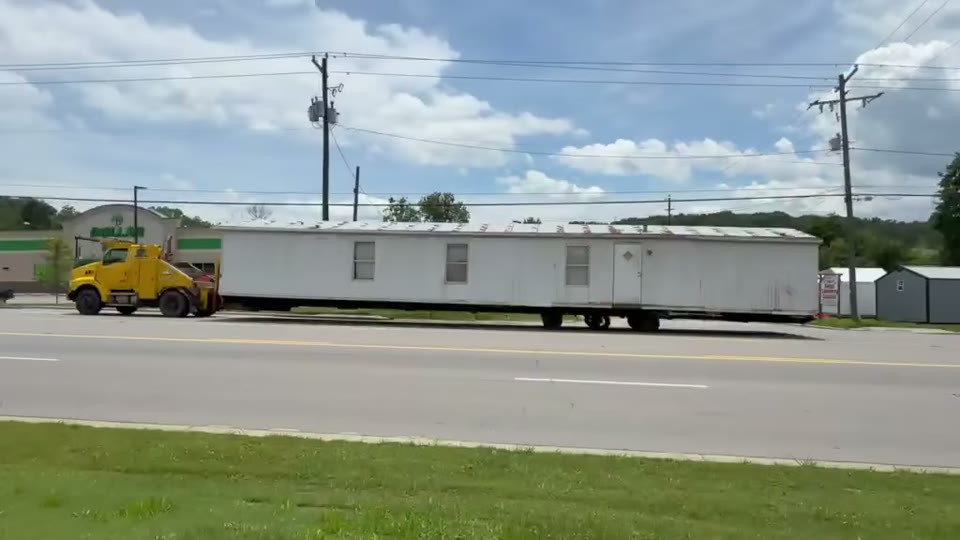
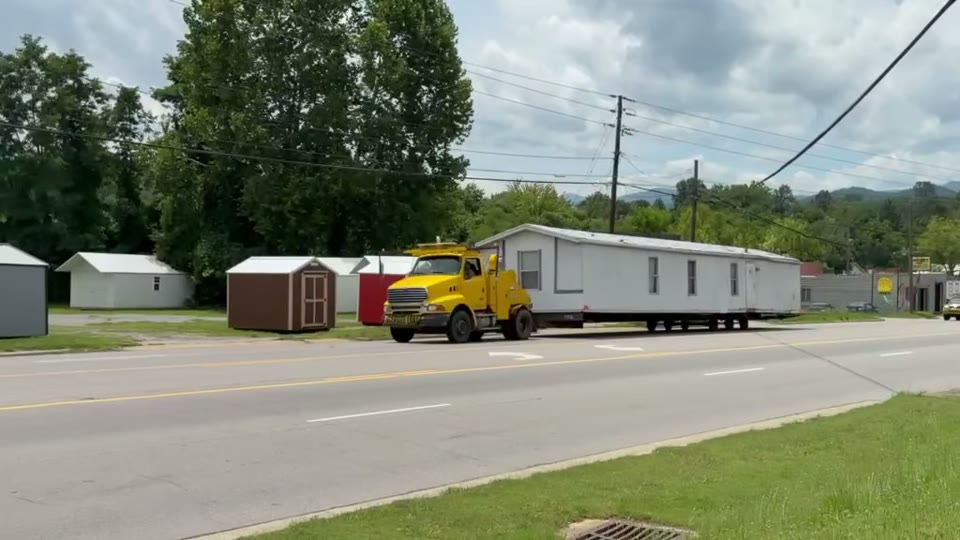
A mobile home on a Buncombe County parcel is not sitting on the ground you walked when you toured the lot — it is sitting on work that had to be done to that ground before the home arrived. The hollows east of Asheville NC off Interstate 26, the wooded ridge lots outside Weaverville, the hillside tracts in Leicester and Fairview: almost none of them come ready to build. Some carry eight or more inches of dark organic topsoil. Some slope at fifteen degrees. Some collect runoff from the property uphill.
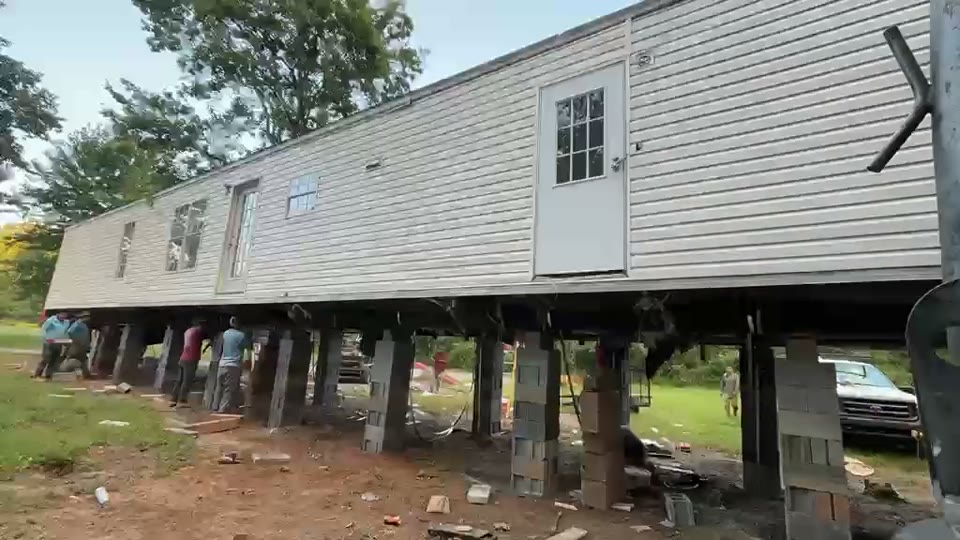
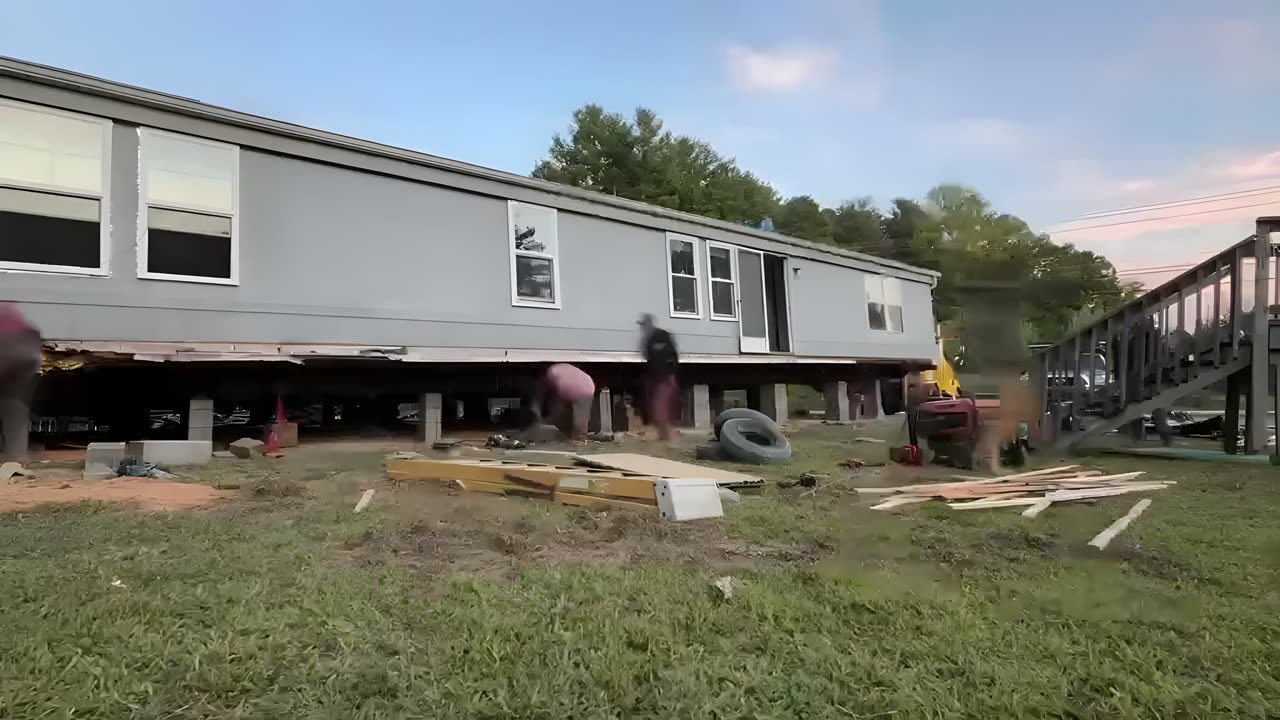
A dirt pad for a mobile home has to address all of that before the first pier block goes down. Strip the organics, compact the mineral base, establish the right crown, and extend the finished pad beyond the home's footprint on every side. Get that sequence right and the home sits level for years. Miss a step and the pier shimming starts within a season or two.
Stripping and compacting — what most homeowners underestimate
Buncombe County's mountain soil profile puts organic topsoil — the dark, fibrous layer that compresses under load — anywhere from four to eighteen inches deep depending on whether the parcel has been in woods, pasture, or disturbed fill. That layer must come out of every location where a pier, footer, or runner will bear. Organic material compresses seasonally and will not hold a home's dead load without settling unevenly over time.
What you can check yourself before calling anyone: dig a test hole near the center of the footprint and measure the dark layer. Six inches or less on undisturbed ground and the prep may stay straightforward. More than that — or any lot that has been filled, graded, or terraced before — deserves a professional look at the compaction plan.
After stripping, the exposed mineral base has to reach compaction. A hand tamper is not the same as a plate compactor, and a plate compactor is not the same as a vibratory roller. The right equipment for the soil type and the square footage matters more than the hours put in. The NC Manufactured Housing Board setup standards require the bearing surface under piers and runners to meet the load requirements in the home's installation manual — and those numbers assume compacted mineral soil, not whatever the lot started with.
What different scopes cost in Western North Carolina
A graded pad plus footers or runners in Western North Carolina typically runs $2,000 to $8,000. Where a specific job lands inside that range depends on how much organic material has to come out, how much slope has to be addressed, and what bearing system the home requires. The table below shows typical scope-to-cost relationships for Buncombe County jobs.
| Scope | What it includes | Typical WNC range |
|---|---|---|
| Flat lot, shallow organics | Strip topsoil, compact mineral base, crown and grade | $2,000–$3,500 |
| Gravel-over-compacted base | Above plus 4-inch crusher-run layer | $2,800–$4,500 |
| Poured or pre-cast runners | Compacted base plus continuous concrete footers | $3,500–$6,000 |
| Slope cut-and-fill | Hillside cut, retaining, fill compaction in lifts, drainage | $4,500–$8,000 |
Jobs that need engineered drainage or a retaining wall on the cut face tend to reach the upper portion of that range. Any bid that omits drainage on a slope lot should be treated as incomplete, not inexpensive. See the full breakdown of footer and runner options at mobile home foundation grading and footers.
Slope, drainage, and what mountain lots demand
Buncombe County's terrain is the honest reason most mobile home pads here cost more than a flatland quote might suggest. A cut-and-fill pad on a slope introduces two problems that don't exist on level ground: the cut face needs support — sometimes riprap, sometimes a small retaining wall — and the fill side has to be compacted in lifts, six to eight inches at a time, or it will settle under the home's dead load no matter how much time passes.
The pad crown is the drainage answer: a two-to-four percent slope from the center toward all four edges pushes rainwater away from the bearing soil under the home. Buncombe County has seen 19 federal disaster declarations over 1973-2026, including Winter Storm (2026), Tropical Storm (2024), and Hurricanes in 2023, 2021, and 2020. NOAA National Weather Service data for the Asheville NC region shows annual precipitation consistently among the highest in the Southeast, and mountain watersheds concentrate surface runoff quickly. A pad without adequate crown does not fail slowly — it fails the first serious rain after the home arrives.
For lots where uphill drainage runs toward the home site, a French drain or swale cut before the pad is graded costs a fraction of what fixing a water-damaged installation costs afterward.
What a setup inspector checks before the piers go in
Every manufactured home installation in North Carolina requires a state-licensed setup contractor, and the inspector visits during the process. On the pad, the checklist covers whether organic material has been fully removed at every pier and footer location; whether the pad extends adequately beyond the home's footprint (a minimum two feet on all sides is a common baseline, though the HUD installation manual for the specific home may require more); whether the surface is within the level tolerance for that home's specification; and whether the crown sheds water away from the structure.
Buncombe County is in HUD Wind Zone I under 24 CFR 3280.305. That classification drives the anchor and tie-down specification for the setup — a related but separate requirement from the pad that a licensed installer factors into the full job. The HUD Office of Manufactured Housing Programs publishes the installation standards that flow down to every licensed setup contractor working in North Carolina.
A homeowner who handles all the earthwork can still do so — but the installation sign-off requires a licensed contractor regardless. Full details on the installation sequence are at mobile home pad installation.
What to assess before calling a crew
A few hours of observation before calling anyone saves time and money on the estimate. Walk the site after a rain and mark where water stands or moves. Measure topsoil depth at several points across the footprint with a steel rod. Note any trees within the footprint or on the access path — removal adds scope. Call 811 before any digging; utility lines on rural Buncombe County parcels are not always where you expect them.
The information that helps a grading crew most: uphill drainage direction, existing utility locations, and any fill already placed on the lot. A parcel that looks flat but was filled years earlier is a different job than virgin slope — the fill compaction history matters as much as the grade you see. A full site-preparation checklist is at how to prepare land for a mobile home.