How Mills River terrain shapes the site-prep question
Mills River occupies the flat agricultural floor of Henderson County, strung along NC-280 and NC-191 between Hendersonville and Brevard. The river-bottom soil through this corridor has a high water table and drains slowly; it looks manageable until a home is sitting on it. A pad that was not properly crowned and drained will develop soft spots under its piers within the first wet season, and a pad cut without accounting for a two- to three-percent hidden cross-slope will show up in the floor level before the first year is out.
That combination — flat but slow-draining, level-looking but gently graded — defines what Mills River site prep demands that ridge-lot work above Asheville NC does not. Most searches that lead here come from people who have already found the land and want to understand what a proper foundation and drainage system costs and what Henderson County expects before the home arrives. The dirt pad guide covers the grading-only question in depth; this page addresses the full range of foundation options, the county permit sequence, and what local ground conditions do to both. For both questions, the answer begins with what the soil under the home actually requires.
Foundation scope and what each option costs
The cost difference between a $2,000 rough-graded dirt pad and a $15,000 full concrete slab is almost entirely a scope decision, not a labor-rate difference. Each foundation type serves a different soil condition, lender requirement, and long-term stability goal. The table below reflects typical market ranges for site preparation around Mills River. Installation work — leveling the home, completing the marriage wall on a double-wide, and setting the anchor system — is a separate scope covered on the Mills River installation page.
| Foundation scope | Typical range | When it applies |
|---|---|---|
| Graded dirt or gravel pad, no footers | $2,000–$3,500 | Temporary placement, rural parcels, smaller single-wides |
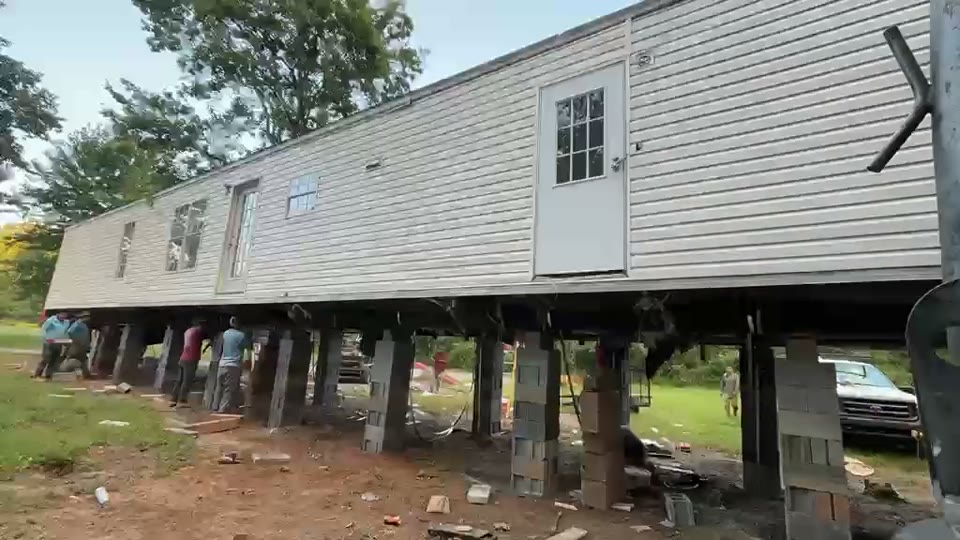
| Concrete block footers, single-wide | $3,000–$5,500 | Standard residential setup on firm, well-drained ground |
| Concrete runners, single-wide | $3,500–$6,000 | River-bottom or soft soil; continuous load distribution |
| Concrete block footers, double-wide | $4,500–$8,000 | More piers, wider center-line and perimeter bearing |
| Full concrete slab, double-wide | $10,000–$15,000 | Maximum stability; often required by lenders or community rules |
River-bottom parcels in the Mills River corridor often push a job toward the upper end of its tier: soft or saturated soil requires deeper footers, more compacted fill, and more extensive drainage work before the concrete goes in. The grading and footers guide explains how soil bearing capacity affects the footer depth specification and what the inspector checks before signing off.
The Henderson County checklist before your home arrives
Henderson County does not issue a manufactured housing permit until several items are resolved, and the order matters because each one gates the next. Starting site work before confirming zoning wastes time and money if the parcel does not allow a manufactured home in the first place.
Zoning clearance comes first. Parcels outside incorporated limits go through Henderson County Planning; parcels inside the Town of Mills River's limits go through the town. Not every zoned parcel in the county allows a manufactured home, and land that was recently platted may carry restrictions the seller did not flag.
Environmental Health comes next. A new septic system requires a site evaluation and permit from Henderson County Environmental Health before any construction begins. An existing system requires a written affidavit from Environmental Health confirming it can handle the proposed home's bedroom count. No septic clearance, no building permit.
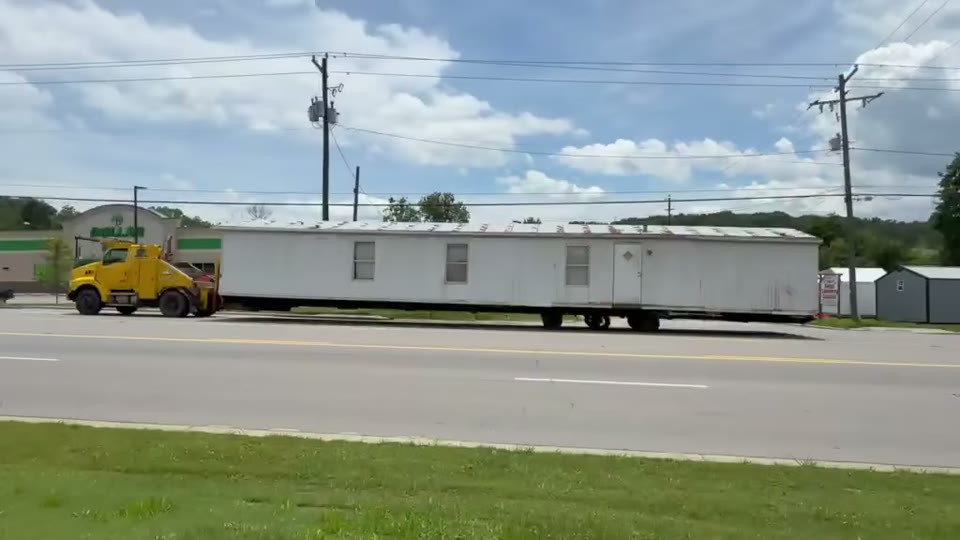
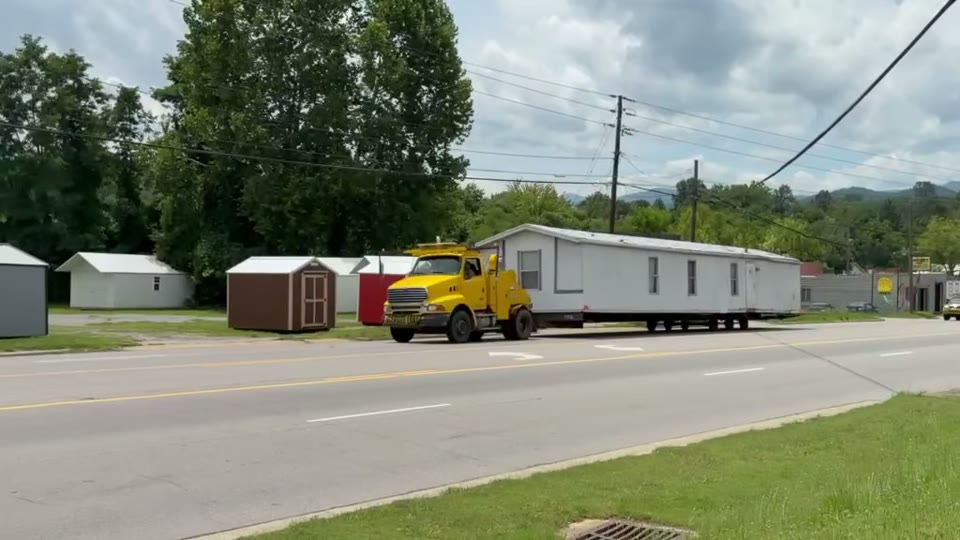
Water and sewer tap receipts are required for homes connecting to a public system. A County Assessor's moving permit is required under NC General Statutes Chapter 105, Article 18 for any home being relocated within the county — the assessor verifies that property taxes on the home are current before the permit issues. If the home travels over state roads to reach the site, NCDOT Publication MH-2 sets the escort class and permit type by home width, a transport step that affects move-in scheduling.
Water history and what it means for your pad
Henderson County carries 16 federal disaster declarations on record (1978-2026). The pattern through recent events — Winter Storm (2026), Tropical Storm (2024), Hurricane (2023), Hurricane (2020), and Hurricane (2019) — runs directly at the site-prep question: each one pushed water into the river-bottom corridors where most Mills River residential parcels sit. A manufactured home pad built without positive drainage will show the problem after the first major precipitation event, not years later. In river-bottom ground, the timeline is shorter still: soils that have absorbed storm runoff for decades are already near field capacity when a new weather event arrives.
The drainage fix is almost free when it is part of the original grading sequence: crown the pad two to three percent so water sheds away from pier locations, cut shallow swales to carry runoff toward the downslope edge of the lot, and specify gutter extensions that carry roof water clear of the foundation perimeter. All three are checked during the setup inspection. The NOAA National Weather Service seasonal outlooks for the southern Appalachians show persistently above-normal precipitation risk in spring and early fall — the two seasons when most site prep in this area is scheduled — making getting drainage right on the first attempt the only cost-effective option.
Wind zone, tie-downs, and the setup rules that apply
Every manufactured home installed in Henderson County falls under HUD Wind Zone I (24 CFR 3280.305) — the base wind-load standard for manufactured housing. Zone I still requires a complete anchor and tie-down system; it does not require the upgraded hardware mandated in coastal Zones II and III. The tie-down count, anchor type, and placement spacing follow the home manufacturer's installation manual and the setup standards the NC Manufactured Housing Board enforces through the state installer-licensing program.
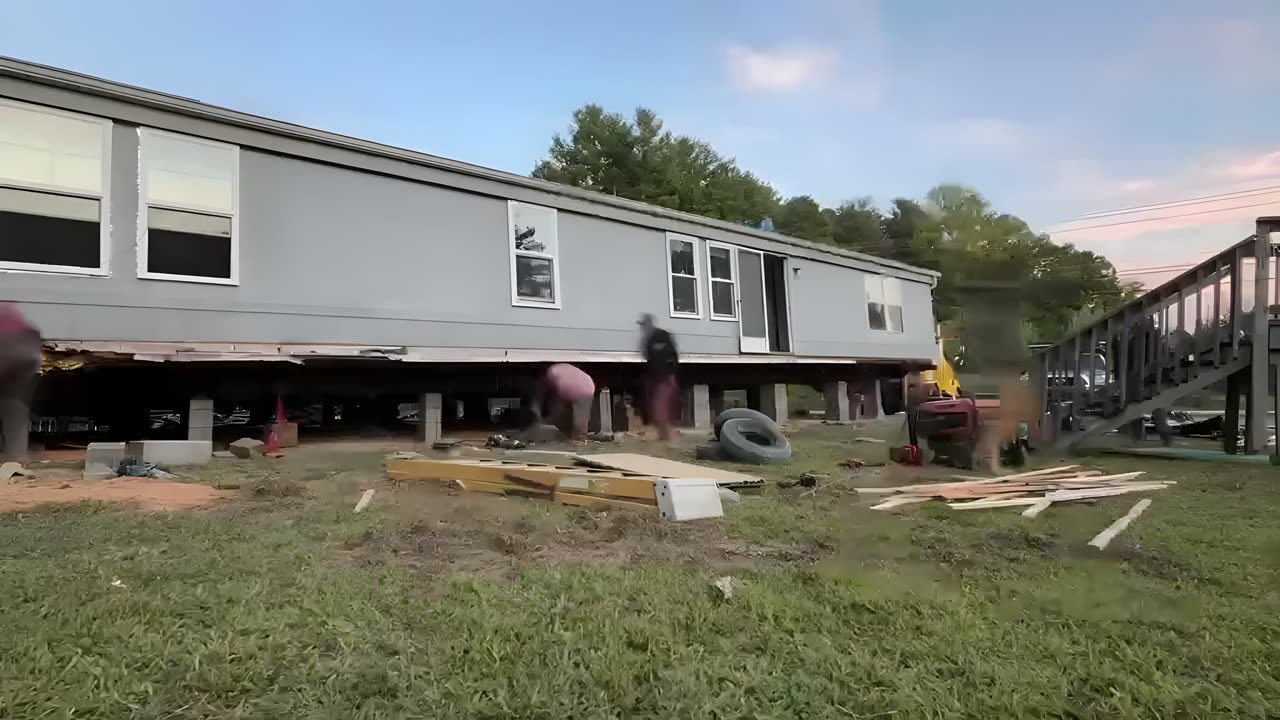
In North Carolina, setup work — placing and leveling a home on its foundation, completing the marriage-wall connection on a double-wide, and installing the anchor system — must be performed or directly supervised by a licensed manufactured home installer. The HUD Office of Manufactured Housing Programs sets the federal minimum; the NC Board program meets and exceeds it. Any proposal that does not specify tie-down counts and anchor-point locations for a Zone I installation is missing a required scope item, not offering a simpler product.